Best Italian Food & Wine Adventures Emilia-Romagna. Taste the Real Flavors of Parma with Passionate Local Guides
Book the best Parma food tours in the heart of Italy’s food valley. Savor authentic Parmigiano Reggiano, Prosciutto di Parma, traditional balsamic vinegar, tortellini and fine wines on small-group walking tours. Visit local producers, family-run shops and historic sites with expert guides. Private and customized options available daily. Secure your unforgettable Parma food adventure today!
Our best-selling Parma food tours let you taste the real heart of Italian cuisine with Parmigiano Reggiano cheese, aged Prosciutto di Parma, traditional balsamic vinegar, and fresh handmade pasta.
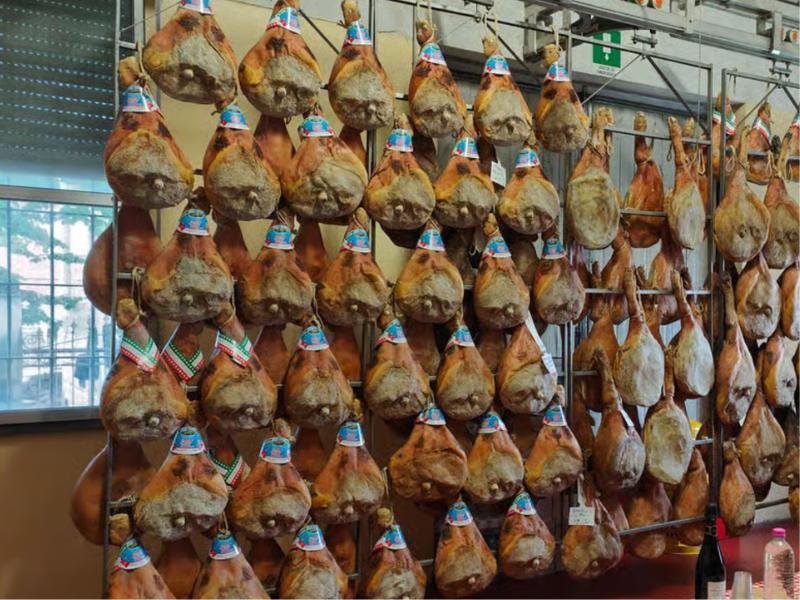
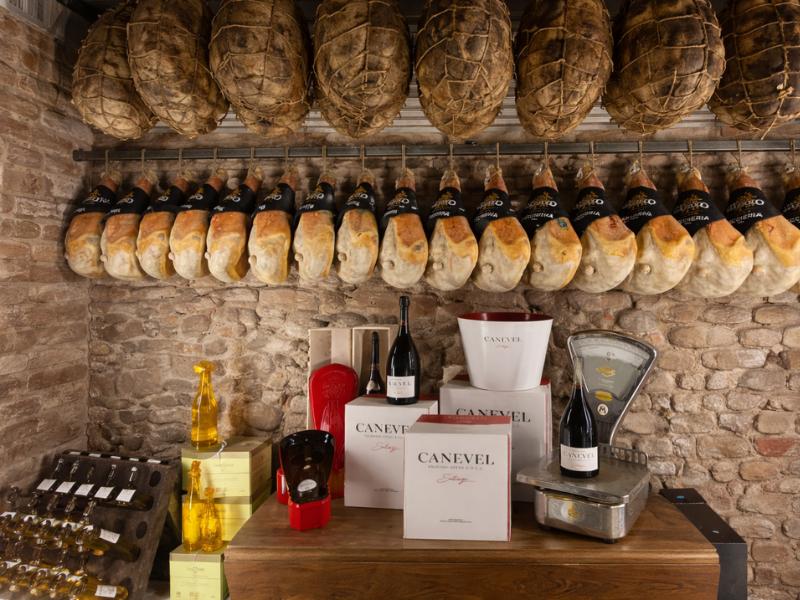
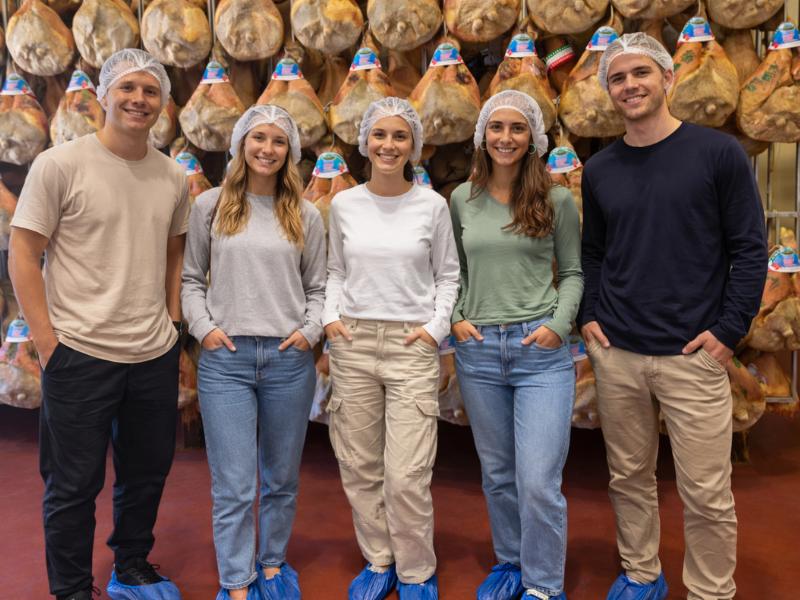
Discover the secrets behind two of Italy’s most famous specialties on this guided food tour from Parma. Visit a Parmigiano Reggiano factory to watch the cheese-making process, explore the aging rooms, and taste different aged varieties. Then head to a Prosciutto di Parma producer to learn about traditional ham curing, see the salting and seasoning chambers, and enjoy a delicious tasting paired with local wine.
Discover the true flavors of Parma on this private food walking tour with a local guide. Skip the tourist spots and eat where the locals do. Visit 5 carefully selected specialty shops, delis, and eateries to taste world-famous Parmigiano Reggiano, Prosciutto di Parma, Culatello, traditional balsamic vinegar, and Lambrusco wine.
This small-group half-day food tour is the perfect introduction to Parma’s renowned culinary scene. With a maximum of just 8 participants, enjoy a personalized experience as you visit five gourmet stops including local markets and artisan shops. Taste cured meats, Prosciutto di Parma, regional pastas, cheeses, fresh desserts, and wines, all paired beautifully.
This half-day guided tour from Parma takes you into the beautiful countryside to discover three iconic local specialties. Visit a Parmigiano Reggiano dairy to watch the cheese-making process, explore the aging rooms, and taste different aged varieties. Then head to a Prosciutto di Parma factory to learn about traditional ham production and enjoy a tasting. Finish at a historic balsamic vinegar estate for a tour and tasting of aged vinegars, followed by a delicious lunch at a cozy trattoria featuring local pasta, Lambrusco wine, and dessert.
Discover the secrets behind one of the world’s most famous cheeses on this exclusive visit to a traditional Parmigiano Reggiano factory near Parma. Learn about its 900-year-old protected tradition and watch skilled cheese makers at work — from fresh curds to shaping, salting, and the long aging process in vast storerooms filled with thousands of wheels.
This private full-day tour takes you deep into Emilia Romagna’s famous Food Valley. Visit traditional producers of Parmigiano-Reggiano, Prosciutto di Parma, and aged balsamic vinegar, and learn the secrets behind each specialty. Enjoy a delicious lunch featuring local dishes paired with regional wines.
This private full-day tour takes you straight to the heart of Parma’s world-famous culinary traditions. Visit a Parmigiano-Reggiano factory to see the cheese-making process and aging rooms, a Prosciutto di Parma production house to learn about traditional ham curing, and a family-run acetaia for aged balsamic vinegar.
This private full-day experience combines Parma’s famous culinary traditions with a charming discovery of the city. Start with a visit to a small Parmigiano Reggiano farm, where you’ll watch the cheese-making process, walk through fragrant aging warehouses, and taste 12, 24, and 36-month cheeses paired with local wine.
Parma is Italy’s undisputed food capital — the city that gave the world Parmigiano-Reggiano, Prosciutto di Parma, and traditional balsamic vinegar. Here, food isn’t just eaten, it’s celebrated. Wander through historic streets and family-run producers where wheels of cheese age for years, taste paper-thin slices of sweet-cured ham cut by hand, and drizzle 12-year-aged balsamic over everything from strawberries to aged beef. With Parma Food Tours, you’ll visit small artisan workshops, meet the passionate producers who still follow century-old traditions, enjoy generous tastings, and discover why locals say eating in Parma feels like coming home.
Our expert team has been helping navigate and book Parma food tours and activities for tourists from all over the world for over a decade, ensuring you have a hassle-free trip with everything booked in advance.
With deep knowledge of Parma’s world-renowned culinary heritage, authentic Italian ingredients, and the Food Valley of Italy, partnerships with the best local guides and producers, and a passion for creating unforgettable experiences, we're committed to making your Parma food adventure truly extraordinary. From your first inquiry to your last tasting, we're here to support you every step of the way.
Award-Winning Travel Experience
Parma Food Tours is recognized by leading travel platforms worldwide
A Parma food tour is a delicious, guided tasting experience focused on the world-famous PDO products of the Parma region. Here’s what you can typically expect on a standard Parma food tour:
Duration: Usually 3 to 4 hours (some are 2.5 hours for shorter versions).
Group size: Small and intimate (usually 6–12 people), so you get personal attention from the guide.
Tastings: You will sample 8–12 different local specialties, including:
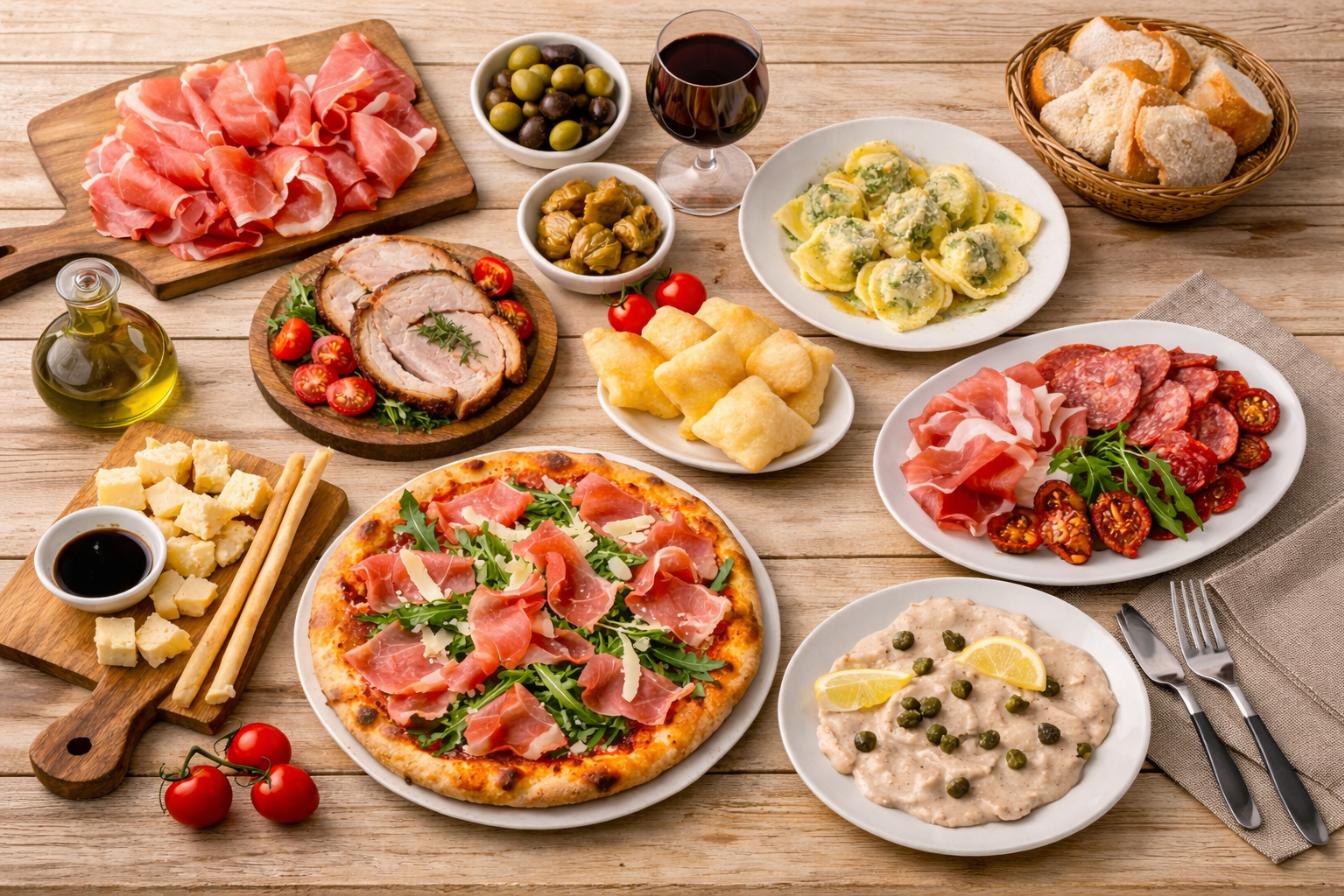
Parmigiano Reggiano — aged 24, 36, or 48+ months, with different flavor profiles.
Prosciutto di Parma — sliced on the spot, often from different curing stages.
Culatello di Zibello — one of Italy’s most prized cured meats.
Local salami, coppa, and other cured meats.
Traditional balsamic vinegar (Aceto Balsamico Tradizionale di Modena or Reggio Emilia).
Fresh pasta (tortelli, anolini) with local sauces.
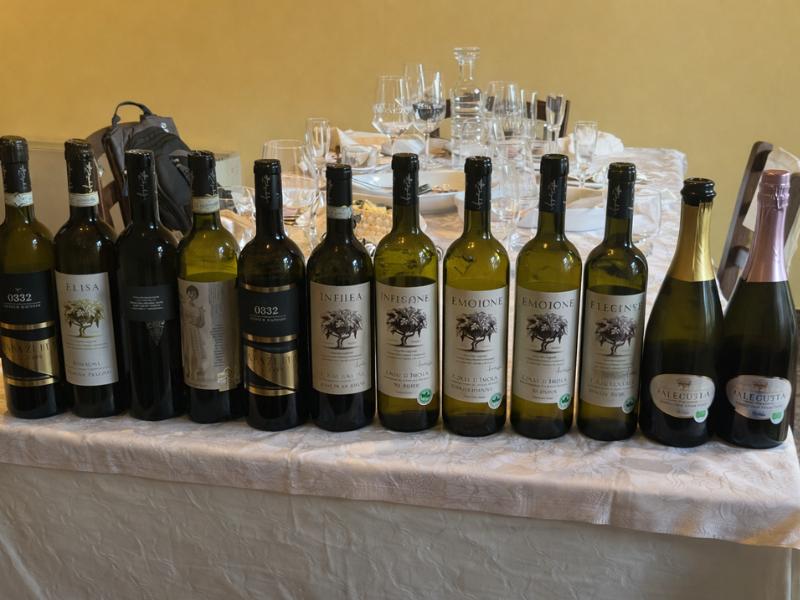
Regional wines (Lambrusco, Malvasia, or sparkling wines) paired with the food.
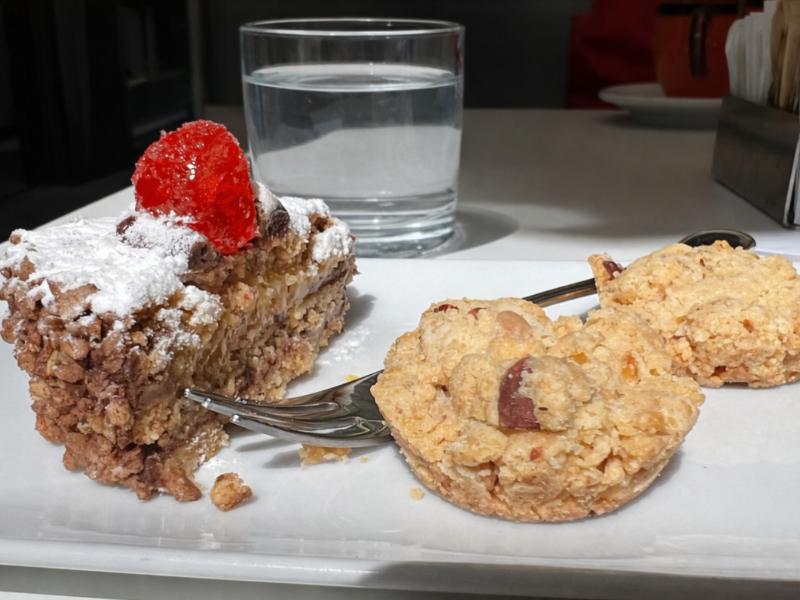
Parmesan-based desserts or traditional sweets.
Format: The tour usually combines:
Walking through the historic center of Parma.
Visits to specialty shops, producers, or small family-run delis.
Guided tastings with explanations about PDO rules, production methods, and history.
A sit-down tasting session or light lunch where multiple products are paired together.
Guide: A local food expert who shares stories about Parma’s culinary traditions and answers questions.
Verdict A Parma food tour is a rich, flavorful experience that goes far beyond simple tasting — you’ll learn about the protected products, meet local producers (sometimes), and enjoy generous portions in a relaxed atmosphere. It’s ideal for food lovers who want to understand why Parma is considered one of Italy’s great gastronomic capitals.
Standard Parma Food Tour: 3.5 hours (most common duration).
Shorter tasting experiences: Around 2.5 hours (sometimes offered as an introduction or for tighter schedules).
Extended or premium tours (with more producers or a sit-down lunch): Up to 4.5–5 hours.
What the time includes:
Walking through Parma’s historic center
Visiting 4–6 carefully selected spots (specialty shops, small producers, or family-run delis)
Generous tastings of Parmigiano Reggiano, Prosciutto di Parma, Culatello, traditional balsamic vinegar, local salumi, fresh pasta, and paired wines
Explanations from a local food guide about PDO products, production methods, and Parma’s culinary heritage
A relaxed sit-down tasting session toward the end
Verdict Most people find 3.5 hours is the perfect length — long enough to enjoy substantial tastings and learn a lot, but not so long that it feels tiring.
Parma food tours usually start in the historic city center of Parma, most commonly at one of these convenient meeting points:
Piazza Garibaldi (the main central square) — the most frequent starting location. It’s easy to find and centrally located.
Near the Cathedral / Baptistery area (Duomo di Parma) — often used as an alternative meeting point.
In front of the Teatro Regio (the famous opera house) — another common and easily recognizable spot.
Your guide will meet the group at the designated meeting point (clearly stated in your booking confirmation). From there, the tour usually begins with a short introduction before walking to the first tasting location.
Tip: The meeting points are all within a few minutes’ walk from each other in the pedestrian-friendly historic center, so they are easy to reach on foot from most hotels in central Parma.
You can book your Parma food tour here. The exact meeting point and time will be confirmed in your booking confirmation email.
How many tastings are included in a Parma food tour?
A typical Parma food tour includes 8 to 12 tastings.
Most standard tours are designed to give you a generous and well-rounded sampling of Parma’s famous PDO products. Here’s what you can usually expect:
Parmigiano Reggiano — tasted at different aging stages (usually 24, 36, and sometimes 48+ months).
Prosciutto di Parma — multiple types or curing stages, sliced fresh.
Culatello di Zibello — one of the rarest and most prized cured meats.
Local salami and coppa.
Traditional balsamic vinegar (Aceto Balsamico Tradizionale).
Fresh pasta (tortelli or anolini) with local sauces.
Regional wines (Lambrusco, Malvasia, or sparkling wines) for pairing.
Sometimes a sweet finish (e.g., torta fritta with cured meats or a small dessert).
The tastings are spread across 4–6 different stops (specialty shops, producers, or delis), with explanations from your guide at each location. Many tours end with a more relaxed sit-down tasting session.
Verdict You can expect 8–12 substantial tastings during a typical Parma food tour. It’s generous and educational, not just a quick bite at each stop.
Does a Parma food tour include Parmigiano Reggiano?
Yes, Parmigiano Reggiano is always included in a Parma food tour — it is the star of almost every tour.
In fact, tasting Parmigiano Reggiano is one of the main reasons people book these tours. Here’s what you can typically expect:
You will taste Parmigiano Reggiano of different aging stages — usually 24 months, 36 months, and sometimes 48+ months.
The guide will explain the differences in flavor, texture, and how the cheese changes with age (from milder and creamier to sharper, nuttier, and more crystalline).
Tastings often include different methods: plain, with balsamic vinegar, with drops of aged balsamic, or paired with local honey or wine.
Some tours even visit a small producer or aging warehouse (caseificio) where you can see the giant wheels and learn about the protected DOP production process.
Parmigiano Reggiano is featured prominently — you will usually have multiple tastings of it throughout the tour.
Verdict Yes — Parmigiano Reggiano is a core part of every Parma food tour. It’s not just a quick bite; it’s highlighted and explained in detail.
Is prosciutto di Parma tasted on a Parma food tour?
Yes, Prosciutto di Parma is always included and is one of the main highlights of every Parma food tour.
It is tasted on virtually every tour, usually in a generous and educational way. Here’s what you can typically expect:
You will taste Prosciutto di Parma at different curing stages (usually 18 months and 24+ months).
The ham is freshly sliced on the spot (often using a traditional prosciutto slicer) so you can compare texture and flavor.
The guide will explain the strict PDO rules, the difference between Prosciutto di Parma and other cured hams, and why Parma’s microclimate makes it unique.
It is often paired with other local products such as Parmigiano Reggiano, traditional balsamic vinegar, or warm torta fritta (fried dough).
Prosciutto di Parma is usually one of the most memorable tastings on the tour.
Verdict Yes — tasting Prosciutto di Parma is a standard and central part of every Parma food tour.
Are Parma food tours suitable for first-time visitors to Parma?
Yes, Parma food tours are highly suitable for first-time visitors — in fact, they are one of the best ways to experience Parma, especially if it’s your first time in the city.
Why they are ideal for first-timers:
Well-structured and informative — The guide explains the history, PDO rules, and cultural importance of each product (Parmigiano Reggiano, Prosciutto di Parma, Culatello, traditional balsamic vinegar, etc.), so you quickly understand why Parma is considered one of Italy’s great food capitals.
Efficient — In 3–4 hours, you visit multiple specialty shops or producers, taste 8–12 different items, and get a good overview of the city center without having to plan or research on your own.
Relaxed pace — Tours are designed for enjoyment, not rushing. You walk short distances between stops in the beautiful historic center.
Great introduction — You get a balanced mix of tastings, stories, and local insights that help you appreciate Parma’s food culture and decide what to explore further on your own.
Most first-time visitors find the tour very helpful because it gives context and allows you to taste high-quality products with expert guidance, which is difficult to do independently.
Verdict Parma food tours are excellent for first-time visitors. They provide a fun, informative, and delicious introduction to the city’s famous products and make your stay much more memorable and efficient.
The best time of day for a Parma food tour is morning (typically starting between 9:30 AM and 11:00 AM).
Why morning is the best choice:
You are fresh and hungry, so you can fully enjoy the generous tastings of Parmigiano Reggiano, Prosciutto di Parma, Culatello, and other specialties.
The historic center is quieter in the morning, making the walking portions more pleasant and the guide’s explanations easier to hear.
Many tours finish with a light lunch-style tasting, so a morning start aligns perfectly with mealtime.
Shops and producers are freshly open, and the products (especially the sliced prosciutto and warm torta fritta) are at their best.
Second-best option: Early afternoon (starting around 1:00–2:00 PM)
Still good, especially if you prefer a later start. However, it can feel slightly warmer in summer, and some shops may be busier after lunch.
Times to avoid:
Late afternoon (after 4:00 PM) — many tours end with a substantial tasting that works better as lunch rather than dinner, and some shops close earlier.
Evenings — very few food tours run in the evening in Parma.
Verdict Book a morning Parma food tour (ideally 9:30–11:00 AM start) for the best experience — you’ll be hungry, the city is calmer, and the tastings feel more enjoyable.
The best month to join a Parma food tour is September.
Why September is the top choice:
Weather: Warm but not too hot (22–28°C / 72–82°F), with comfortable walking conditions and low chance of rain.
Food quality: Peak season for many local products — fresh Parmigiano Reggiano, Prosciutto di Parma at its best, and the start of the new harvest for traditional balsamic vinegar.
Atmosphere: Parma feels lively but not overcrowded. The historic center is pleasant for walking between tastings.
Availability: Good choice of tour dates, fewer crowds than July–August, and easier to book your preferred time.
Other good months:
October: Very close second — slightly cooler, beautiful autumn light, and excellent food quality. Still very comfortable for walking and tasting.
May–June: Pleasant spring weather, fewer tourists than summer, and fresh seasonal products.
April: Good shoulder month with mild weather and blooming trees, though slightly more variable rain.
Months to avoid or be cautious:
July–August: Hot and humid — can feel tiring while walking between tastings. High season means more crowds and higher prices.
November–March: Cooler and wetter — less ideal for outdoor walking portions, although indoor tastings are still enjoyable.
Verdict September (followed closely by October) is the best single month for a Parma food tour — perfect weather, excellent product quality, and a pleasant balance of crowds and atmosphere.
Yes, vegan options are available on Parma food tours, but with some important limitations.
What you need to know:
Most tour operators in Parma can accommodate vegan requests if you notify them in advance (ideally when booking or at least 24–48 hours before the tour).
However, a traditional Parma food tour is heavily focused on famous animal-based PDO products:
Parmigiano Reggiano (contains animal rennet)
Prosciutto di Parma, Culatello, and other cured meats
Traditional balsamic vinegar (sometimes aged in barrels that previously held wine or other non-vegan products)
Because of this, a fully traditional Parma tasting cannot be 100% vegan.
What vegan-friendly alternatives are usually offered:
Fresh seasonal vegetables and fruits
Local breads and focaccia
Olive oils and aged balsamic vinegar (most are vegan)
Some plant-based pasta dishes (e.g., tortelli with pumpkin or herbs, without cheese)
Nuts, legumes, and salads
Certain wines (Lambrusco or Malvasia)
Many operators replace the cheese and cured meats with extra vegetable antipasti, vegan pasta samples, and additional sides so vegans still get a generous tasting.
Verdict Vegan options are available, but the tour will be adapted rather than fully traditional. The experience remains enjoyable and informative, though it won't include the iconic Parmigiano Reggiano or Prosciutto di Parma tastings. Always inform the operator in advance so they can prepare properly.
You can book your Parma food tour (and request vegan adaptations) at /.
Is transport needed for a Parma food tour?
No, transport is not needed for a Parma food tour.
Most Parma food tours are walking tours that take place entirely within the compact historic center of Parma. The meeting point is usually in a central location (such as Piazza Garibaldi, near the Cathedral, or Teatro Regio), and all the stops (specialty shops, delis, and tasting locations) are within easy walking distance of each other.
Key points:
The tour is designed as a pleasant stroll through the beautiful pedestrian-friendly old town.
You walk short distances between tastings (usually 5–10 minutes between stops).
No bus, van, or other transport is required or included.
The entire tour stays within a small, flat area — very comfortable for walking.
Exception: Very rarely, some premium or extended tours may include a short transfer by minivan if they visit a cheese producer or aging warehouse slightly outside the city center. However, the standard and most popular Parma food tours are 100% walking tours in the historic center.
Verdict You do not need any transport for a typical Parma food tour. Just wear comfortable walking shoes and meet the guide at the designated central meeting point.
Is Parma safe for solo travelers on a Parma food tour?
Yes, Parma is very safe for solo travelers on a Parma food tour — it is one of the safest and most welcoming cities in Italy for solo visitors, including solo women.
Why it feels safe:
Parma is a relatively small, affluent, and quiet city with a low crime rate.
Food tours are small-group experiences (usually 6–12 people), so you are never alone. The guide stays with the group the entire time.
The tour takes place entirely in the historic pedestrian center (Piazza Garibaldi, Cathedral area, etc.), which is well-lit, lively, and full of locals and tourists during tour hours.
Solo female travelers consistently report feeling comfortable and relaxed — the atmosphere is friendly, the guides are professional, and there is almost no harassment.
The focus is on food and culture in a calm, civilized setting — not nightlife or remote areas.
Practical tips for solo travelers:
Book a small-group tour — it’s social and easy to chat with others if you want.
The meeting points (usually Piazza Garibaldi or near the Cathedral) are central and easy to reach.
Tours typically run during daylight hours, so you finish well before dark.
Parma’s historic center is very walkable and safe to explore on your own before or after the tour.
Verdict Parma food tours are excellent for solo travelers — safe, friendly, and low-stress. Many solo visitors say it was one of the most enjoyable parts of their trip to Italy.
Can I combine a Parma food tour with a cheese factory visit?
Yes, you can combine a Parma food tour with a cheese factory visit, and many travelers do exactly that.
Here are the most common and practical ways this is done:
Best option: Book a specialized “Parmigiano Reggiano Experience” tour that already includes both a food tour in the city center and a visit to a Parmigiano Reggiano cheese factory (caseificio). These tours typically last 4–5 hours and include:
Walking tasting tour in Parma’s historic center (Prosciutto, Culatello, balsamic vinegar, etc.)
A guided visit to a working cheese dairy where you see the production process, the giant wheels aging, and a tasting of different ages of Parmigiano Reggiano (often 24, 36, and 48+ months).
Alternative: Take a standard Parma food tour in the morning and then do a separate cheese factory visit in the afternoon. Many dairies near Parma (especially in the areas of Collecchio, Sorbolo, or Reggio Emilia) offer short guided tours + tastings (usually 1–1.5 hours). This can be arranged privately or through your hotel.
Verdict Combining a Parma food tour with a cheese factory visit is highly recommended and very easy to arrange. The best and most convenient choice is a single tour that includes both the city tasting and the dairy visit, as it gives you the full Parmigiano Reggiano story in one smooth experience.
You can book Parma food tours that include a Parmigiano Reggiano cheese factory visit at Parma Food Tours.
Is a Parma food tour good for couples or groups?
Yes, a Parma food tour is excellent for both couples and groups.
It is actually one of the most popular and highly recommended activities in Parma for couples, friends, families, and small groups.
Why it works well for couples:
Romantic and relaxed atmosphere while strolling through the beautiful historic center.
Intimate small-group size (usually 6–12 people), so couples don’t feel lost in a crowd.
Great opportunity to share tastings of Parmigiano Reggiano, Prosciutto di Parma, Culatello, and local wines together.
Many couples say it’s one of the highlights of their trip to Italy — delicious, fun, and memorable.
Why it works well for groups:
Small group format keeps the experience personal and social.
Easy to chat and enjoy the tastings together.
Suitable for mixed groups (friends, families, colleagues) because the pace is comfortable and there’s something for everyone.
Guides are skilled at engaging the whole group and tailoring explanations.
Practical notes:
Most tours comfortably accommodate 2 to 12 people.
Private tours are also available if you want a completely customized experience just for your couple or group (recommended for anniversaries, birthdays, or special occasions).
Dietary requirements (vegetarian, vegan, gluten-free) can usually be accommodated if requested in advance.
Verdict Parma food tours are highly suitable and enjoyable for both couples and groups. They offer a perfect mix of great food, culture, walking, and social interaction in a relaxed setting.
You can book your Parma food tour at /. Private options are also available if you prefer a tour just for your couple or group.
Helpful articles about visiting Parma
Guides and answers to plan the trip: what to eat, how to get here, which factory tour to pick, the best time to go, and the questions travellers ask most.
1:45 pmLunch at a local trattoria, tortelli d’erbetta, local wine
3:00 pmMarket walk through the historic center
3:30 pmCulatello tasting at a specialist salumeria
4:30 pmReturn to hotel
Parma sits in Emilia-Romagna, the strip of northern Italy between the Apennines and the Po Valley that produces more protected designation food products per square kilometer than any other region in Europe. The city itself has been a center of food production since medieval times, but the international reputation of Parmigiano Reggiano and Prosciutto di Parma was formalized through the PDO system that restricts production to specific geographic zones and requires adherence to traditional methods. Parma Food Tours begins the day at a Parmigiano dairy for a reason: the production starts before five in the morning, and arriving at nine means the curds are already being worked and the guide can explain the entire process in real time rather than retrospectively.
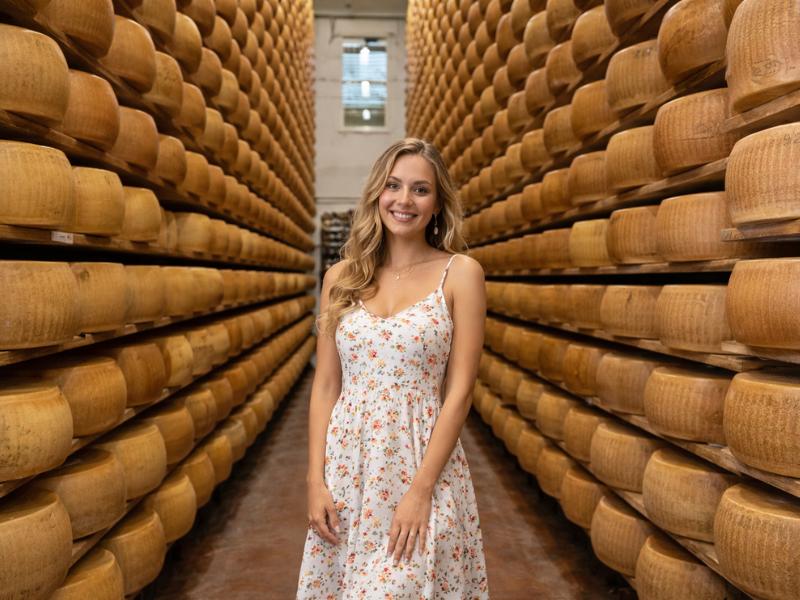
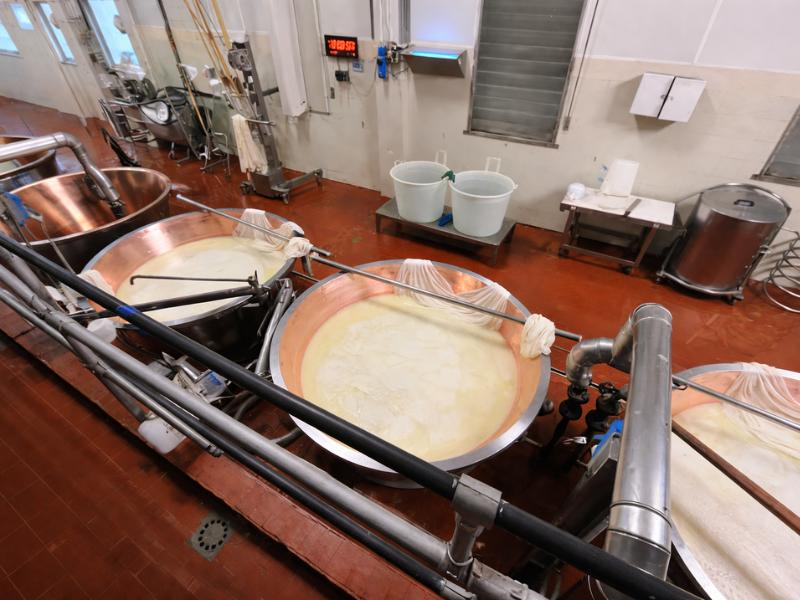
A Parmigiano Reggiano dairy in full production is a specific sensory environment. The copper vats, each holding enough milk to make two wheels of cheese, produce a particular warm, slightly sweet smell that clients describe as unlike anything they have encountered in a supermarket. The maestro casearo, the head cheesemaker, works the curds with a traditional balloon whisk before the heat of the vat separates the mass from the whey, and the guide explains the chemistry and the craft simultaneously. The aging warehouse follows the production floor and presents the most visually striking element of the day: tens of thousands of wheels stacked to the ceiling in temperature-controlled rooms, the youngest at 12 months already developed and the oldest at 36 months dense and crystalline in a way the younger cheese is not. The tasting moves through the ages in sequence, and clients who arrived thinking they knew what Parmigiano tasted like from supermarket versions routinely revise that assessment significantly after the 36-month sample.
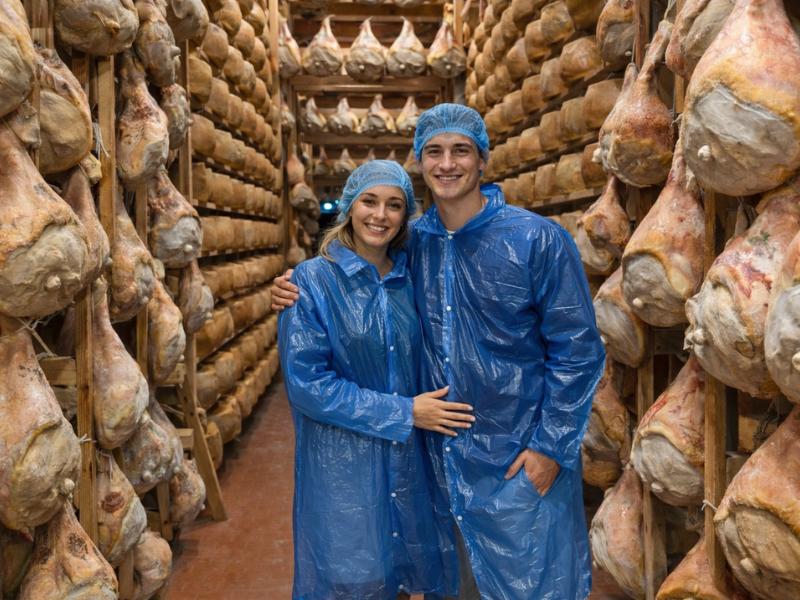
Here is what we tell clients honestly before the Parma food day: this is a substantial amount of food consumed over several hours, and the correct approach is to treat the tour as a progressive meal rather than a series of nibbles with gaps in between. The Prosciutto di Parma tasting at the curing facility is generous by design, the ham sliced to order at the correct room temperature and thickness, paired with local bread and Lambrusco in a combination that the production house has refined for visitors over years. Clients who arrive moderately hungry rather than ravenous or already full experience the tastings in the way they are designed to be experienced, each one building on the previous rather than overwhelming it.
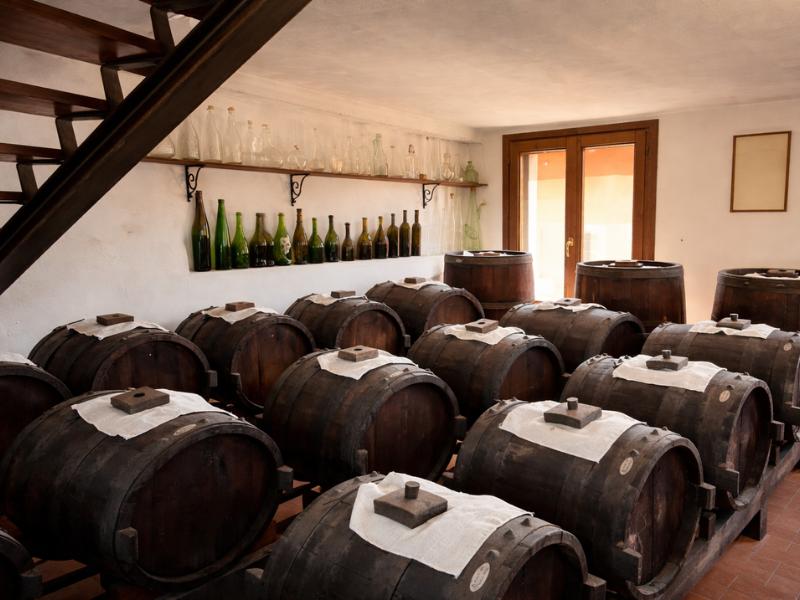
The balsamic vinegar acetaia operates on a different timescale from the cheese and the ham, and the guide explains this before entering the attic where the barrels are kept. Traditional balsamic vinegar from Reggio Emilia and Modena is aged in a battery of progressively smaller barrels made from different woods, the vinegar concentrated by evaporation as it moves through the sequence over a minimum of twelve years and often twenty-five or more. The color darkens from amber to near-black across that progression and the flavor moves from sharp and acidic to thick, sweet, and complex in a way that has no resemblance to the commercial product sold in supermarkets under the same name. The guide is direct about this distinction and the tasting makes the point without requiring argument. A drop of twenty-five-year balsamic on a piece of Parmigiano is the combination that closes the morning’s production visits and that most clients describe as the taste they are still thinking about days later.
Lunch at a local trattoria in Parma is not a tourist accommodation but the continuation of the food logic the morning established. Tortelli d’erbetta, the local filled pasta with ricotta and Swiss chard in butter and sage, is the dish that defines Parma’s pasta tradition in the way that tortellini defines Bologna‘s. The guide orders for the group and explains what is arriving and why it is prepared this way, and the Lambrusco poured alongside it, slightly sparkling and dry in the local style rather than the sweet export version, cuts through the richness in a way that makes the meal feel balanced rather than heavy. Parma Food Tours ends in the historic center market and at the specialist salumeria where culatello, the cured rump of the pig aged in the fog of the Po Valley and considered by many Italian food authorities to be the finest cured meat in the country, rounds off a day that has moved through every significant dimension of what this part of Italy produces.
Average Tour Prices in Parma, Italy
Tap a column heading to sort.
Prices below are what you’ll pay when booking through verified operators online. They are current as of early 2026. Parma is a city in the Emilia-Romagna region of northern Italy, located in the Po Valley approximately 120 km southeast of Milan and 100 km northwest of Bologna. It is served by Parma Airport (PMF) with limited domestic connections, but most visitors arrive by high-speed train from Milan (50 minutes) or Bologna (40 minutes) on the main Italian rail network. Parma holds a unique position in Italian gastronomy as the only city whose surrounding province produces three of Italy’s most protected and internationally recognised food products simultaneously: Parmigiano Reggiano cheese (PDO), Prosciutto di Parma (PDO), and Aceto Balsamico Tradizionale (PDO). Most of the production facilities are within 20 to 40 minutes of the city centre by car, making factory visits a practical half-day excursion. Tours operate year-round.
Parma Food Tours: What Each Experience Costs Online
All tastings and food samples are included in the listed price. Wines and Lambrusco pairings are included in the multi-producer and full-day experiences. The private half-day walking tour at $143 operates entirely in the city centre, visiting specialty shops and delis; it does not include countryside factory visits. The $157 production tour and the $245 full-day experience both involve driving to rural production facilities outside Parma city. Private full-day tour prices are per group, typically for 2 to 6 people; per-person cost for 2 people is $165 to $198 for the $330 and $396 options. The countryside food and wine tour at $1,062 covers a small Parmigiano farm, aging warehouse walk-through, and 12-, 24- and 36-month cheese tastings with wine, and is positioned as a premium intimate group format.
Online vs. Self-Guided Parma Food Exploration vs. Bologna or Milan Day Trip Package: How Booking Method Affects What You Get
Book Online in Advance (via verified operators like Parma Food Tours)
$93 to $157 for half-day group tours; $245 to $396 for full-day group and private formats
Low: producer visits pre-arranged (dairies and prosciutto factories are working businesses with structured visiting hours, not open to walk-ins), guide confirmed, transport to rural facilities included in countryside tours; the Parmigiano + ham production tour with over 8,000 bookings fills on peak weekends and during Italian school holidays; most tours offer free cancellation 24 to 48 hours ahead
Self-Guided Exploration in Parma City (walk the historic centre, visit delis and salumerias independently)
Entry to most shops is free; tastings and purchases priced individually
Low: Parma’s city centre is compact and extremely well-provisioned for independent food exploration; the Mercato della Ghiaia covered market, the salumerias around the Duomo, and the handful of specialty food shops on Via Farini offer generous counter tastings, no reservation required, and the local shopping experience is entirely authentic; what independent exploration cannot deliver is access to working dairy and prosciutto factories, which operate on managed schedules and require advance booking through tour operators
Bologna or Milan Day Trip Package (Parma included as a day trip in a wider Emilia-Romagna itinerary)
Typically 20 to 35% above direct Parma operator rates
Low logistics: several Bologna and Milan-based tour operators include Parma producer visits in day trip packages; the quality and underlying operators are equivalent to direct booking in most cases, but the transport and coordination overhead from Bologna or Milan adds cost
The Honest Case for Booking with Parma Food Tours in Advance
Parma‘s claim to be Italy’s food capital is not promotional language; it is a geographic and regulatory fact. The production of Parmigiano Reggiano is legally restricted to a specific area of the Po Valley covering parts of the provinces of Parma, Reggio Emilia, Modena, Mantua, and Bologna. The cheese must be made from milk produced by cows fed on locally grown fodder, using methods largely unchanged since the 13th century, and aged for a minimum of 12 months. The daily production cycle at a Parmigiano dairy begins at 4 AM when the previous evening’s milk is skimmed and combined with the morning’s fresh milk in copper vats, and guided factory visits are structured around this early production timing. What visitors see is not a museum presentation but a working dairy: the smell of fresh milk and rennet, the massive copper vats, the cheese makers using hand-held tools to break the curd, the brining baths, and then the aging rooms stacked floor to ceiling with 40-kilogram wheels that take between 12 and 36 months to reach optimal flavour.
The $157 Parmigiano and Prosciutto di Parma combined tour is the most practical single-tour format for visitors with half a day in the region. Both factory visits are typically within 15 to 20 minutes of each other in the countryside, the guide manages the driving and timing, and the two tastings together cover the two most famous products associated with the city. Tasting Parmigiano at 12 months, 24 months, and 36 months side by side at the dairy where it was made is a genuinely different experience from eating it at home; the 36-month version in particular has a crystalline texture and flavour intensity that most people who consider themselves familiar with the cheese have not previously encountered.
The $245 full-day experience that adds the balsamic vinegar acetaia is the version we recommend most readily for visitors whose primary interest is the food rather than Parma’s considerable architectural and musical heritage (the city is the birthplace of Verdi and Toscanini and has one of Italy’s finest opera theatres). The traditional balsamic vinegar of Parma and Modena is among the most misunderstood products in Italian gastronomy: what is sold in supermarkets worldwide is industrially produced grape must, legally labelled Aceto Balsamico di Modena IGP, that bears little relationship to Aceto Balsamico Tradizionale DOP, which is produced in small acetaie from cooked grape must aged in a series of progressively smaller wooden barrels over a minimum of 12 years. A 100ml bottle of genuine 25-year traditional balsamic sells for €80 to €150 at the producer; tasting it drizzled over a fragment of Parmigiano at the acetaia where it was made is the kind of experience that reframes how food is understood.
How to Visit Parma for Food
Parma sits in the Po Valley of Emilia-Romagna and holds a claim that no other Italian city can reasonably dispute: it is the origin of Parmigiano-Reggiano, Prosciutto di Parma, Culatello di Zibello, and traditional balsamic vinegar, all of which carry protected designation of origin status and are among the most imitated and most specific products in European food culture. The cheese, the ham, the cured meats, and the balsamic produced here are not generically “Italian food.” They are Parma’s food, made within defined geographical boundaries according to rules that have been legally protected for decades. Understanding this distinction before you arrive makes every tasting on a Parma food tour considerably more meaningful. Here is what the team at Parma Food Tours tells first-timers when they plan their visit.
1
Arrive by train from Milan, Bologna, or Florence.
Parma sits on the main rail line between Milan and Bologna, and high-speed Frecciarossa and Frecciabianca trains from both cities take between 50 minutes and an hour and a quarter depending on the service. From Florence, a connection through Bologna adds around an hour. The train station is a ten-minute walk from the historic centre and the main food tour meeting points around Piazza Garibaldi and the Cathedral. There is no reason to drive unless you plan to venture into the countryside for producer visits, and even then the guided tours handle transport.
2
Book your food tour for the morning, ideally between 9:30 and 11 AM.
The morning start is consistently described by guides and returning clients as the correct timing for a Parma food tour, for reasons that are both practical and sensory. You arrive hungry, which matters considerably when the tour includes eight to twelve tastings of Parmigiano-Reggiano at multiple ages, freshly sliced Prosciutto di Parma, Culatello, warm torta fritta, and glasses of Lambrusco. The historic centre is quieter in the morning, the shops are freshly opened, and the prosciutto slicer producing translucent sheets of cured ham at 10 AM has a particular theatre to it. The tour also concludes naturally into the lunch hour, so you leave satisfied rather than facing three hours until dinner.
3
The three products that define Parma and what to understand before tasting them.
Parmigiano-Reggiano is aged for a minimum of twelve months and graded at twenty-four, thirty-six, and forty-eight months or more, with flavour shifting from sweet and milky at the younger end to intensely savoury, granular, and crystalline at the older. A good guide tastes you through these ages in sequence, which is the only way to understand why a thirty-six-month wheel is not simply an older version of the twelve-month but effectively a different food. Prosciutto di Parma is air-cured for a minimum of twelve months using only Parma ham from specific pig breeds and the particular dry, cool air of the Parma hills. Culatello di Zibello, produced in the fog of the Po Valley lowlands, is the most prized of the region’s cured meats and is available only in small quantities from traditional producers. The best food tours include all three.
4
Visit the Parmigiano-Reggiano dairy if you can.
The tours that include a visit to a working caseificio in the countryside outside Parma add a dimension that the city-centre walking tour cannot replicate. Arriving early in the morning when the cheesemakers are already working, seeing the copper cauldrons of milk coagulating, watching the curd being shaped into the characteristic wheels, and then walking through the aging rooms where thousands of wheels sit on wooden shelves at various stages of maturation produces an understanding of the product that tasting alone cannot achieve. The humidity and the sharp smell of the aging rooms, the sound of the cheese testers tapping wheels to check for internal voids, and the scale of a production that takes over two years from milk to finished wheel: these things stay with visitors in a way that a supermarket wheel of Parmigiano-Reggiano never will again.
5
September and October are the best months to visit.
The Po Valley climate in summer is genuinely hot and humid, which makes walking between tastings in July and August more effortful than the experience warrants. September and October bring cooler temperatures, excellent light, and the overlap with harvest season for several regional products. The balsamic vinegar acetaie begin reducing the new grape must in autumn; the autumn foraging produces local truffles and porcini that appear on restaurant menus; and the general atmosphere of the city is relaxed and unhurried. April and May are a reasonable second choice if autumn travel is not possible.
6
Parma’s city centre is compact and requires no transport for the walking tours.
The historic pedestrian zone between the train station and the Cathedral covers everything: Piazza Garibaldi, the covered market, the specialist salumerie that have been cutting prosciutto in the same way for generations, the tortellini and pasta shops, and the enotèche serving the local Lambrusco and Malvasia. A good walking food tour covers this area in three to three and a half hours, stopping at four to six carefully chosen locations. The distances between stops are short and the streets are flat. Comfortable shoes and an appetite are the only practical requirements.
7
Eat at least one proper sit-down meal in Parma in addition to the tour.
The food tour covers the region’s PDO products and gives you context and education that transforms how you understand them. A proper Parma lunch or dinner gives you those same products in the context in which they are eaten locally: tortelli d’erbetta with butter and sage, anolini in brodo, a plate of mixed salumi with a carafe of house Lambrusco, and a finish of aged Parmigiano-Reggiano with honey. The restaurants in the historic centre that local people use are not hard to find if you ask your food tour guide where to eat, which is exactly the kind of question they are designed to answer.
8
The one thing most first-timers get wrong:
arriving in Parma for a day trip from Bologna or Milan, booking a lunchtime food tour slot, eating lunch beforehand at the hotel, and then discovering three tastings in that they are full and cannot properly enjoy the Culatello or the thirty-six-month Parmigiano-Reggiano. The entire logic of the Parma food tour depends on arriving with genuine hunger. We tell every client the same thing before they book: eat nothing meaningful on the morning of the tour, or at most a coffee and a plain biscuit. The tastings are generous, they are intended to constitute a meal, and the experience of eating a perfectly aged wheel of Parmigiano-Reggiano when you are genuinely hungry is considerably better than eating it politely after a sandwich.
Most Popular Parma Food Tours
Tap a column heading to sort.
Parma draws food lovers specifically to visit the source of Parmigiano Reggiano, Prosciutto di Parma, and traditional balsamic vinegar rather than as a general Italian city break. The booking patterns at Parma Food Tours reflect that focused intent clearly — the top three tours by volume are all built around producer visits and tastings rather than city walking tours, and the price range from $143 to $245 shows visitors are genuinely willing to invest in the experience.
Food enthusiasts who want to see exactly how Parmigiano Reggiano and Prosciutto di Parma are made at the source, watching live production and aging rooms before sitting down to a paired tasting
Guided visit to a Parmigiano Reggiano factory watching the live cheese-making process and exploring the vast aging rooms, tasting of different aged varieties straight from the wheel, visit to a Prosciutto di Parma producer to see the traditional ham curing process with salting and seasoning chambers, generous tasting of prosciutto paired with local wine
Visitors who want a fully private, personalized tasting walk through Parma’s historic center with a local guide, eating where locals eat across five carefully selected shops and delis
Private local guide for the group only, five specialty shops and family-run delis in the historic center, tastings of Parmigiano Reggiano, Prosciutto di Parma, Culatello, traditional balsamic vinegar, and Lambrusco wine, skipping tourist traps in favor of genuine local spots, completely flexible pace suited to the group’s interests and questions
Serious food travelers who want the most comprehensive single-day Parma experience, combining three producer visits in the countryside with a sit-down trattoria lunch featuring fresh pasta and regional wine
Countryside visits to a Parmigiano Reggiano dairy, a Prosciutto di Parma factory, and a historic balsamic vinegar acetaia with tastings at each, full sit-down lunch at a local trattoria featuring handmade pasta, Lambrusco wine, and traditional dessert, guided by a food expert throughout all three productions
4.9 (2,155+ bookings)
The production tour leading the site with 8,231 bookings reflects the single most important thing visitors want from a trip to Parma: seeing the cheese wheels and the ham curing rooms in person before tasting them. Parma is unusual among food tourism destinations in that the product origins are geographically accessible and genuinely impressive to see — a room stacked floor to ceiling with aging Parmigiano Reggiano wheels is an image that stays with visitors, and the tour delivers it at a mid-range price. The private gourmet walking tour in second with a perfect 5.0 across 5,765 bookings earns its volume from a different motivation — visitors who are already in the city center and want a personalized local guide rather than a countryside drive, with the intimacy of seeing where Parmesi actually shop. The balsamic vinegar experience in third at $245 is the most expansive format, adding the acetaia visit that the first two tours largely omit, and at 7.5 hours it is a full culinary day rather than a half-day outing — the trattoria lunch is the element that consistently drives its conversions.
Location
Parma sits in the Po Valley lowlands of Emilia-Romagna, roughly 120 km southeast of Milan and 100 km northwest of Bologna, in the stretch of northern Italy long known as the Food Valley for the concentration of protected designation of origin products produced in its surrounding countryside. The nearest major international airport is Bologna Guglielmo Marconi Airport (BLQ), about 95 km east and just over an hour by road or direct train, with connections throughout Europe and beyond; Milan Malpensa (MXP) and Milan Linate (LIN) are also viable at roughly 130 km northwest, well served by high-speed rail to Parma in under an hour. The city’s position between the Apennine foothills to the south and the flat agricultural plain to the north is precisely what creates the cool breezes and controlled humidity that the DOP rules for both Parmigiano Reggiano and Prosciutto di Parma depend on for their character. Take a look at the map below to see where our tours move through the historic centre and surrounding countryside producers.
120 kmTo Milan
100 kmTo Bologna
95 kmTo BLQ airport
Guarantee Your Spot with Parma Food Tours
Parma is the food capital of Italy — the city that produces Parmigiano-Reggiano, Prosciutto di Parma, Culatello di Zibello, and traditional balsamic vinegar under protected designation rules that have governed their production for centuries. The guides who explain all of this with genuine depth, the specialty shops that open their aging rooms to small groups, and the family producers who share tastings of 24, 36, and 48-month cheeses directly from the wheel are not unlimited resources. The Parmigiano and Prosciutto production tour has over 8,200 bookings and a 4.9 rating. The private half-day gourmet walking tour has over 5,700 bookings and a perfect 5-star rating. The intimate market and artisan tour capped at eight guests has 592 bookings, also perfect, and runs specifically in small groups because the experience depends on it. The full-day Parmigiano, Parma Ham, and balsamic vinegar experience with a trattoria lunch has over 2,100 bookings and a 4.9 rating.
Book before your Emilia-Romagna itinerary is confirmed. The September morning when the cheese is at its seasonal best, the prosciutto room is cool enough for a proper tasting, and a group of eight people is moving through Parma’s historic center with a guide who has been talking about these products for twenty years — that morning belongs to the people who booked it.
What you lock in when you book in advance:
Access to a working Parmigiano-Reggiano dairy before the morning production window closes. The best version of the Parmigiano factory visit begins when the curd is still being turned and the fresh wheels are being shaped — the working dairy in active production, not the static display version. The morning window when cheesemakers are present and the process is live runs from roughly 8am to noon. The tour that times its dairy visit for this window, showing you the actual production alongside thousands of aging wheels and giving you a tasting directly from a freshly broken wheel, requires a confirmed reservation. With over 8,200 bookings and a 4.9 rating, the tour that includes both the Parmigiano dairy and the Prosciutto curing house in a single coordinated morning fills its best production-window slots weeks ahead.
The private gourmet walking tour on your specific date with the guide who knows where to go. The private half-day walking tour covers five carefully selected specialty shops, delis, and producers — Parmigiano-Reggiano, Prosciutto di Parma, Culatello, traditional balsamic vinegar, and Lambrusco — at the places where Parma residents actually eat rather than the tourist-facing shops near Piazza Garibaldi. With over 5,700 bookings and a perfect 5-star rating, the guides running this tour at the level that produces those reviews are not available on same-day requests. A private tour is not a shared tour with two people instead of twelve. The guide’s full day is allocated to a single confirmed group, and that day fills progressively from advance bookings.
The eight-person intimate market tour before the group cap closes. The intimate market and artisan food tour caps at eight participants because eight is the number where everyone can stand at the same counter, hear the guide, and have a personal conversation with the producer rather than watching from the back of a larger group. With 592 bookings and a perfect 5-star rating, those eight positions on any given morning in September or October fill from advance reservations. The ninth person who enquires on the week of the tour finds the group is full.
The full-day balsamic and trattoria lunch experience before the acetaia’s visiting calendar fills. The full-day tour combining the Parmigiano dairy, the Prosciutto house, and a historic acetaia visit followed by a trattoria lunch with tortelli, Lambrusco, and aged balsamic over handmade pasta requires coordinating three separate producer visits and a restaurant reservation in a single day. With over 2,100 bookings and a 4.9 rating, the September and October dates — when the countryside is at its best and the acetaia barrels have had the summer heat to concentrate — fill from confirmed bookings. The trattoria reservation alone requires advance notice; the complete package requires it weeks earlier.
The private Emilia-Romagna full-day experience for the group traveling together. The private full-day Emilia-Romagna food tour — with over 1,300 bookings and a 4.9 rating, covering Parmigiano-Reggiano, Prosciutto, and aged balsamic at three separate producers followed by a regional lunch — requires a confirmed private vehicle, confirmed guide, and confirmed producer access all on the same day. This is the product for couples, families, and small groups who want the full Food Valley experience without sharing it with strangers. The driver, the guide, and the three producers need to be aligned before the day begins. That alignment is a booking made weeks in advance.
The producers will be making Parmigiano-Reggiano the same way they have for nine hundred years. The guide who can tell you exactly why the wheel crumbles differently at 36 months than at 48, and takes you to the specific counter where Parma residents have been buying their prosciutto for three generations, is available through a booking made before you arrive in Italy.