Is Modena Worth A Day Trip From Parma?
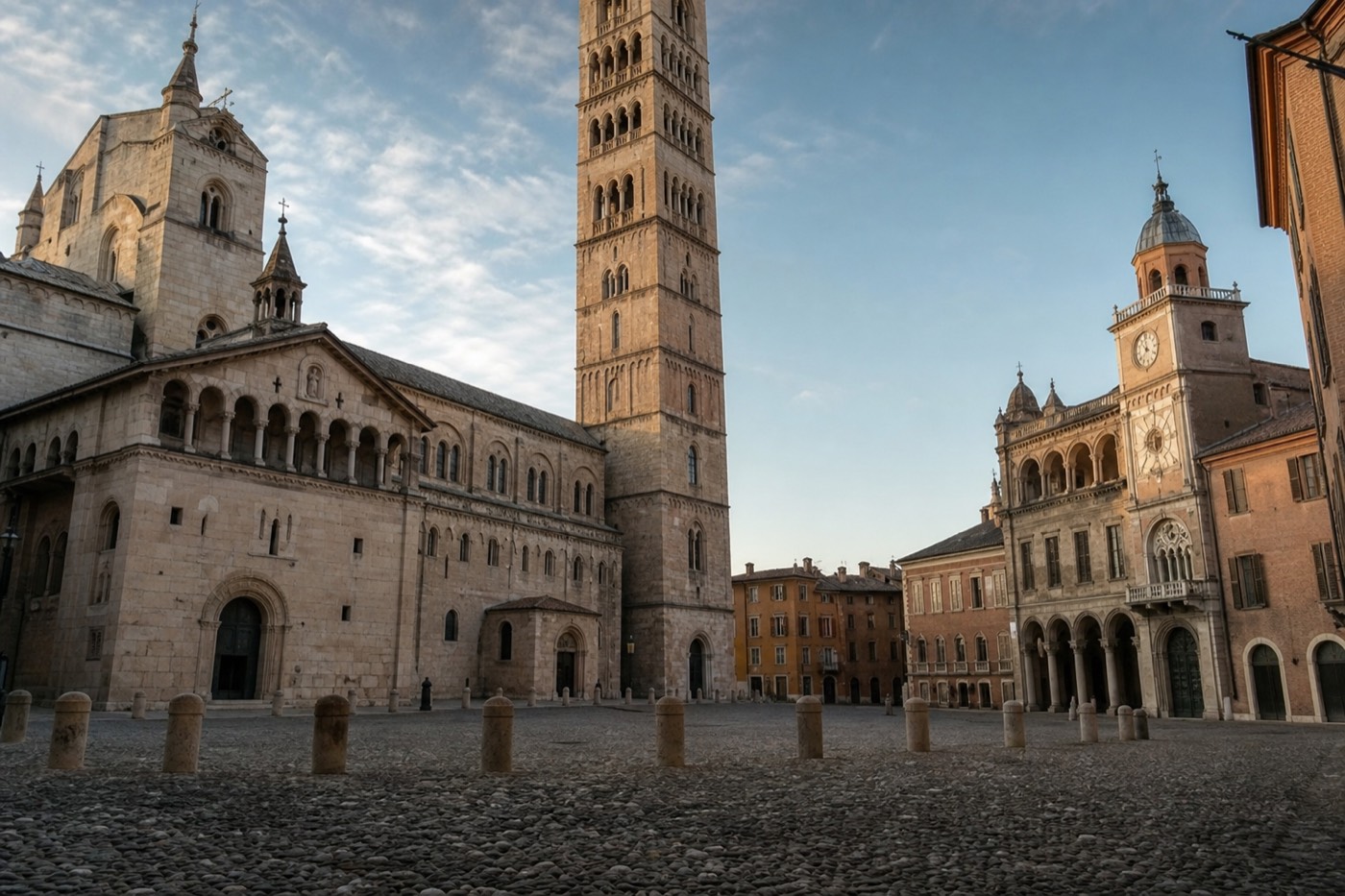
Modena is a real, close option if you're based in Parma and want a second Food Valley city on your trip. Here's what makes the day trip worth it, and how to actually get there.
Is Modena Worth A Day Trip From Parma?
Yes. Modena is close, it's part of the same Food Valley region as Parma, and it has a genuinely different food specialty, traditional balsamic vinegar, that Parma doesn't produce at the same scale. For travelers already based in Parma, it's one of the more natural add-on destinations rather than a stretch.
At A Glance: Make an acetaia the reason for your Modena day. Explore Modena Traditional Balsamic Tasting
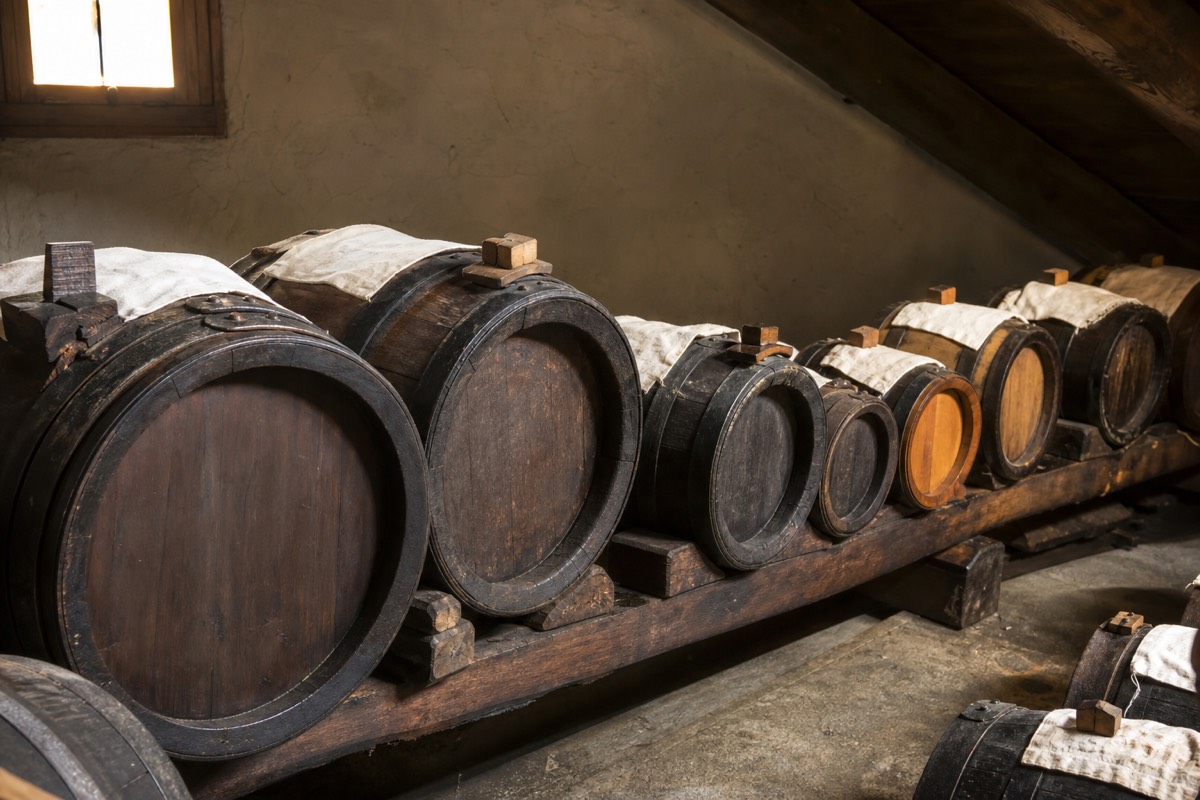
The two cities share Parmigiano Reggiano production, since the DOP zone spans both, but Modena is the city most associated with true Aceto Balsamico Tradizionale, aged for years in a descending series of wooden barrels in family acetaie. That's specific enough to justify a separate day rather than trying to fold it into a Parma-only itinerary.
What A Traditional Balsamic Vinegar Tasting Actually Involves
A real balsamic tasting centers on an acetaia, the attic or loft where a "battery" of wooden barrels of decreasing size ages the vinegar over years, sometimes decades, with the oldest barrels producing only a small amount each year. Understanding that process is most of what makes the tasting worthwhile, because the flavor difference between a young balsamic and a properly aged one is dramatic.
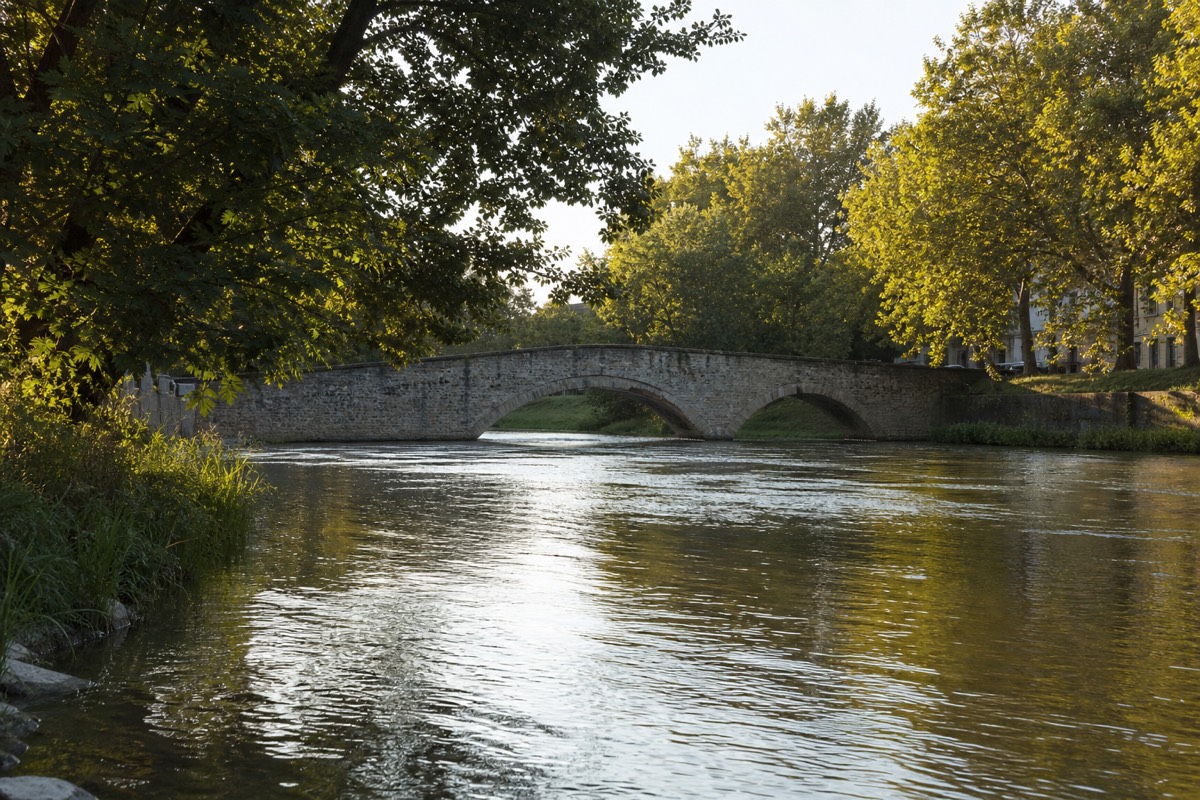
Traditional balsamic starts with cooked grape must and matures through a sequence of wooden barrels. Modena Traditional Balsamic Tasting focuses on this process in Modena, with a guided visit to the barrel rooms and a DOP vinegar tasting over about 1.5 hours.
The tasting itself is deliberately small-scale. You're usually given a few drops at a time on a spoon rather than a full pour, since real aged balsamic is thick, concentrated and meant to be evaluated the way you'd taste a fine spirit: color, density, aroma, then the balance of sweetness against acidity on the tongue. It's common to taste it alongside a shaving of Parmigiano Reggiano or a spoon of vanilla gelato, since both let the vinegar's sweetness and depth show clearly against something plain. That side-by-side format is also why balsamic tastings pair naturally with the cheese and ham tastings already common on Parma-area tours, rather than needing an entirely separate kind of trip.
The traditional designation actually breaks into two official grades: affinato, aged a minimum of 12 years, and extravecchio, aged a minimum of 25. Many family acetaie hold barrels well past those legal minimums, which is part of why a proper tasting is usually structured youngest to oldest, letting you feel the difference build rather than jumping straight to the most intense pour. It's also why a small bottle of the real thing costs far more than anything labeled "balsamic vinegar" on a supermarket shelf, since a 12-year minimum aging window is a real production cost, not a marketing claim.
Getting There And What Else Modena Offers
We don't have an independently verified direct Parma-Modena train time to quote with confidence, so the honest move is to check current Trenitalia schedules before you build a day around it. What we can confirm is that Bologna sits in between and is well connected to both cities: the Bologna-Parma leg runs about 55 minutes for roughly €9-26, and Modena is a short regional hop from Bologna on the same line. If a direct Parma-Modena service doesn't fit your timing, routing through Bologna is a reliable fallback, though it will add time compared with a direct connection, so build in extra buffer on both ends rather than cutting a return connection close. Both Trenitalia and Italo run services through this corridor, so it's worth comparing options across both operators when you search for a route rather than checking only one and assuming it's the best available option.
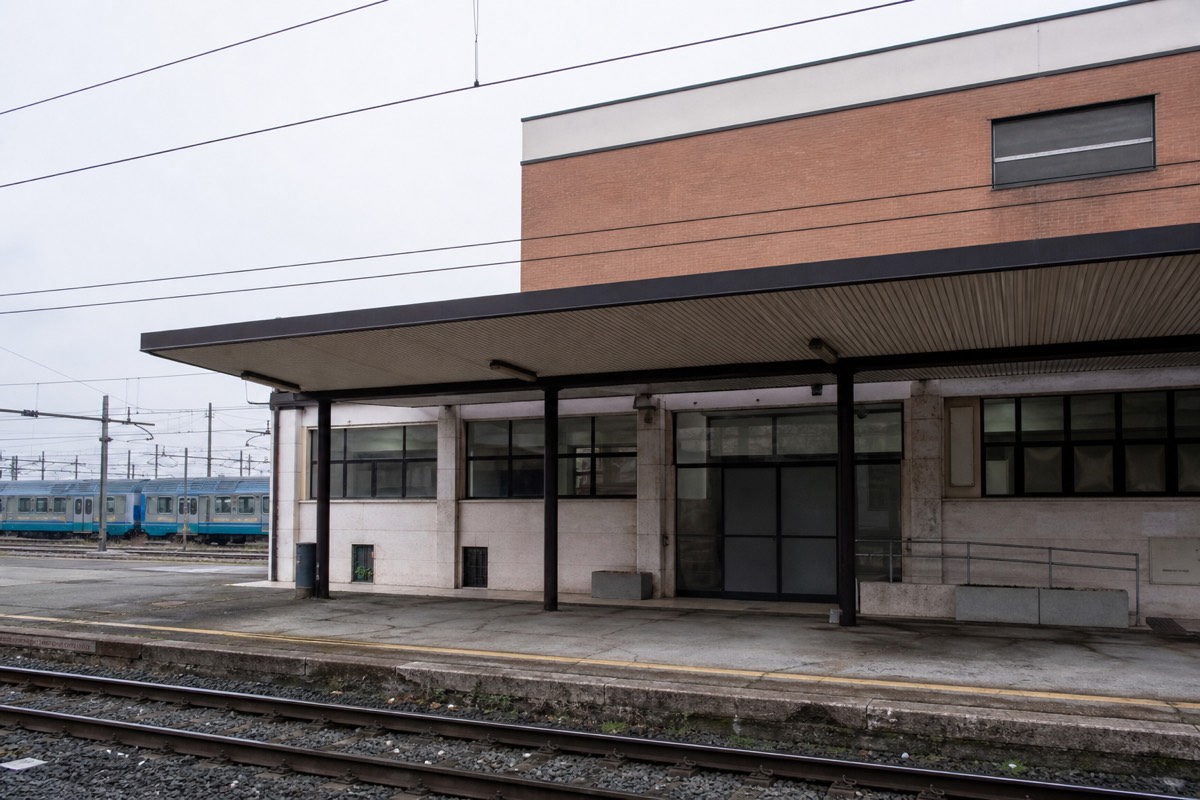
Either way, book the return leg with some buffer. Regional trains in this part of Italy run frequently, but a day trip only works smoothly if you're not racing a tight last connection back to Parma.
Traditional balsamic vinegar is the headline draw, but it's also worth knowing Modena is widely known as a center of Italy's car industry, home to Ferrari and Maserati, which is a real reason some travelers add the city to their route even outside a food-focused trip. We'd rather not quote specific museum hours or ticket prices here since we haven't independently verified them, so check current listings if that's part of your plan.
What Modena doesn't have is Parma's depth of bookable Parmigiano Reggiano and Prosciutto di Parma factory tours. If cured meats and cheese production are your main interest, a day trip to Modena is a nice complement to a Parma-based food trip, not a substitute for it. Our Bologna-Modena-Parma Food Valley guide covers how to fit all three cities into one trip, our what to eat in Parma guide covers Parma's own balsamic vinegar tastings if you'd rather keep everything in one city, and what's the best city in Italy for a food tour goes deeper into how Modena stacks up against Bologna and Parma overall.
Private Food Valley Day combines cheese, ham and balsamic visits with pickup options from Parma, Bologna or Milan. Select the appropriate transport option; this is a producer itinerary rather than a guided walk through Modena city.