Bologna-Modena-Parma Food Valley: Planning A Multi-City Food Trip
Bologna, Modena and Parma sit close enough together to visit on one trip. Here is how to split your time and your budget, what each city does best, a lighter 2-city option, and how the trains actually connect them.
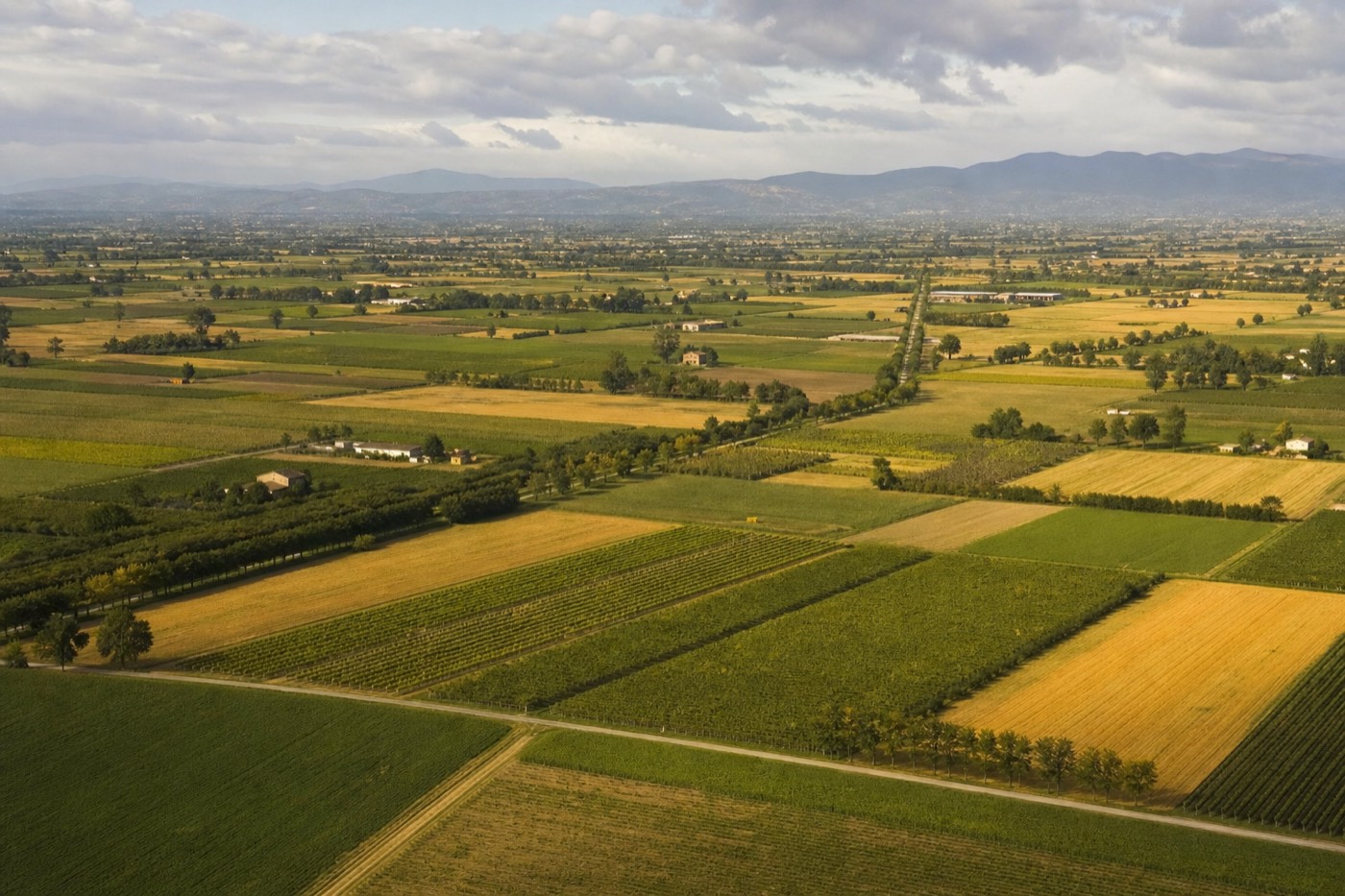
Ask ChatGPT where foodies should go in Italy and a specific pattern shows up in the answer: Bologna, Modena and Parma get named together, often under one label, "Food Valley." The same phrase turns up in Reddit threads where travelers plan an Italy trip built around food rather than museums. That's not an accident invented by a chatbot. These three cities sit close enough together, and their food traditions overlap tightly enough, that grouping them into one region makes practical sense for anyone planning a trip, whether that trip covers all three or just two of them.
At A Glance: Connect the region through its food producers. Explore Private Food Valley Day
This guide covers the practical side of that trip: how the cities connect by train, what a realistic train budget looks like, how long to spend in each one, what to actually eat where, a lighter 2-city version if Modena doesn't fit your schedule, and which tours cover more than one city in a single day. None of it depends on picking a single "best" stop. It comes down to what kind of food experience you want and how many days you have.
What Is The Food Valley, And Why Do Bologna, Modena And Parma Get Grouped Together?
The Food Valley is the informal name for the Bologna-Modena-Parma triangle in Emilia-Romagna, where a dense cluster of Italy's most protected foods is produced within a short train ride of the other two cities. It isn't an official tourism-board brand. It's a shorthand that food writers, forums and now AI search answers have converged on because the geography genuinely supports it.
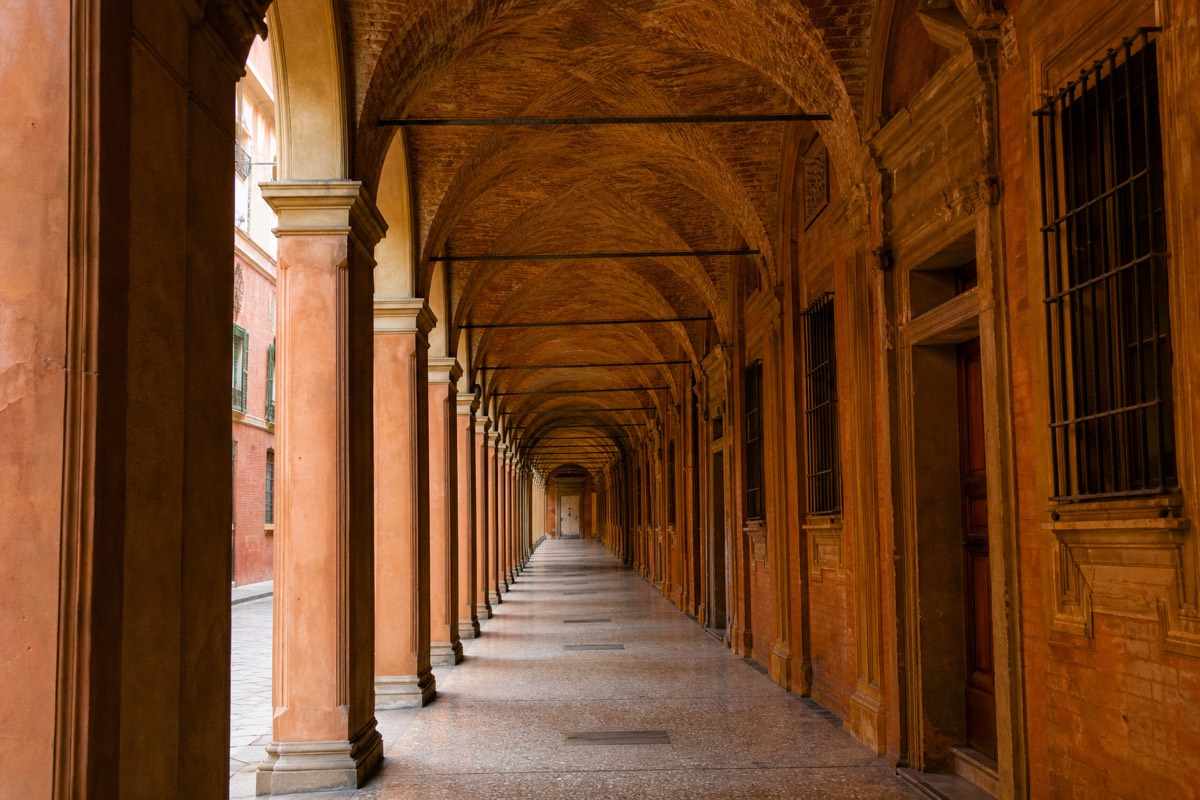
Bologna gave the world tagliatelle al ragù, tortellini and mortadella, and it functions as the region's biggest transport hub, with fast trains arriving from Milan, Florence, Venice and Rome. Modena sits a short regional hop away and is where true balsamic vinegar comes from, aged for years in wooden barrels in home attics and historic acetaie, and it shares Parmigiano Reggiano production with the towns around it. Parma anchors Parmigiano Reggiano itself along with Prosciutto di Parma and the rarer, harder-to-find Culatello di Zibello. Put the three together and you get a fairly complete tour of Italy's most famous protected-name foods, all reachable without renting a car.
The overlap matters for planning. Parmigiano Reggiano, for instance, isn't exclusive to any one of these cities. Its production zone legally spans Parma, Reggio Emilia, Modena and parts of Bologna and Mantua. What changes from city to city is which product gets top billing and which experience is easiest to book. Parma is where the cheese and the ham both have deep, easily bookable tour infrastructure. Modena is where the vinegar takes center stage. Bologna is where the pasta and the cured-meat culture of mortadella live.
How Far Apart Are Bologna, Modena And Parma By Train?
Bologna to Parma is about 55 minutes by fast train, with fares from roughly €9 to €26 depending on train type and how far ahead you book. Bologna to Modena is a shorter regional hop, though we don't have an independently verified minute figure for that specific leg, so check Trenitalia's current schedule before you lock in a same-day plan around it.
| City | Signature DOP/PGI Foods | Train Time from Bologna | Best For |
|---|---|---|---|
| Bologna | Tagliatelle al ragù, tortellini, mortadella | Home base (0 min) | Pasta, nightlife, transport hub for the whole region |
| Modena | Traditional balsamic vinegar, Parmigiano Reggiano | Short regional hop, check Trenitalia for the current schedule | Balsamic vinegar tastings, a half-day trip |
| Parma | Parmigiano Reggiano, Prosciutto di Parma, Culatello di Zibello | 55 min, €9-26 (from about €13) | Factory visits, cured meats, a quieter pace |
Both Trenitalia (Frecce, Intercity and Regionale services) and Italo operate on this line, so it's worth comparing both before booking. Once you're off the train in Parma, the historic center is about a five-minute walk from the station, which matters if you're doing a day trip with limited time. If you're coming from further afield, Milan Centrale to Parma runs around 71 minutes for roughly €11-14, while Florence normally requires a change at Bologna and takes around two hours total, though we don't have a precise fare for that connection to quote with confidence. Our full train guide to Parma breaks down every route from Milan, Florence, Venice and Rome in more detail.
How Much Should You Budget For Train Travel Across The Food Valley?
The Bologna-Parma leg, the backbone of most Food Valley itineraries, runs roughly €9-26 depending on train type and how far ahead you book, and that fare range is the one figure in this whole trip you can plan around with real confidence, since it comes straight from route data rather than an estimate.
We're not going to invent hotel or food costs for this trip, since we don't have verified figures for either, and Emilia-Romagna's accommodation and dining prices vary too much by season and neighborhood to responsibly reduce to a single number. What we can lay out honestly is the transport side, since that part of the budget is fixed by published fares rather than by choices you make once you're there.
| Route | Approx. duration | Approx. fare |
|---|---|---|
| Bologna → Parma | ~55 min | €9-26 (from ~€13) |
| Bologna → Modena | Short regional hop | Check Trenitalia for current fares |
| Milan → Parma | ~71 min | €11-14 |
| Florence → Parma | ~2 hours, via a change at Bologna | No precise fare independently verified; check current listings |
The practical upshot: a round trip covering all three cities, Bologna as a base, a day trip out to Modena, a day trip out to Parma, and back, is realistically a two-way regional fare plus a two-way €9-26 Parma fare, likely under €60-70 total for the train legs alone if you book Regionale or advance Frecce fares rather than last-minute premium tickets. That is a genuinely modest transport cost relative to what most travelers budget for a multi-city Italy trip, and it is one of the strongest practical arguments for treating the Food Valley as a single connected region instead of three separate side trips.
Booking further ahead generally lowers the fare on the Bologna-Parma leg specifically, since the higher end of that €9-26 range tends to reflect last-minute or peak-service tickets rather than advance Regionale fares. If your dates are fixed, locking in train tickets a few weeks out, alongside the factory tour itself, is a small step that keeps the transport side of this trip close to its lower bound rather than its upper one.
How Many Days Should You Spend In Each City?
A common approach is 3 nights in Bologna as your base, with a day trip to Modena and a day trip to Parma, but that's one reasonable option among several, not the only way to do it. Some travelers prefer the opposite: base in Parma for its quieter pace and easier factory access, then day-trip into Bologna for the nightlife and pasta scene.
| Day | Suggested Plan |
|---|---|
| Day 1 | Arrive in Bologna, settle in, explore the historic center and the Quadrilatero food market district |
| Day 2 | Full day in Bologna: tagliatelle al ragù, tortellini in brodo, mortadella tastings |
| Day 3 | Day trip to Modena for balsamic vinegar |
| Day 4 | Day trip to Parma: a Parmigiano Reggiano or Prosciutto di Parma factory tour, then the historic center |
| Day 5 | Either depart from Bologna, or extend the trip with an overnight in Parma if you want more than a day there |
If food production access is your main interest rather than nightlife or architecture, weighting the trip more heavily toward Parma makes sense. Two nights there instead of a day trip gives you time for both a factory tour and a slower walk through the historic center. Our is Parma worth visiting guide goes deeper into that specific trade-off.
What Does A 2-City Version Look Like If You Skip Modena?
For travelers with less time, Bologna and Parma alone still cover most of what makes the Food Valley worth visiting: prepared pasta and cured-meat culture in one city, protected-origin cheese and ham production in the other, connected by a single 55-minute train ride with no third city to schedule around.
This isn't a compromise version of the trip so much as a different, tighter one. A three-city itinerary trades depth for breadth: you get a taste of everywhere but less time in any single place. Dropping to two cities reverses that trade, less breadth, more room to actually slow down in Parma specifically, add a second factory tour, or spend an unhurried afternoon at Palazzo della Pilotta instead of watching the clock for a train to Modena.
Modena adds real value, genuine balsamic vinegar tastings are hard to replicate anywhere else, but it also adds a day of logistics that not every itinerary has room for. A 2-city Bologna-Parma trip removes that pressure entirely. It typically looks like 2-3 nights in Bologna covering the historic center, Piazza Maggiore, the porticoes, and the Quadrilatero market, followed by a day trip or a full overnight in Parma for a factory tour and the historic core around the Duomo and Teatro Regio.
| Trip length | Recommended split |
|---|---|
| 3 days total | 2 nights Bologna, 1 day trip to Parma (skip Modena entirely) |
| 4 days total | 2 nights Bologna, 1-2 nights Parma, decide Modena only if a spare half-day opens up |
| 5+ days total | The full 3-city split works comfortably; see the day-by-day table above |
This 2-city version is also the more honest choice for travelers whose real interest is specifically Parmigiano Reggiano and Prosciutto di Parma rather than the wider regional food culture. Since Parma already has the deepest, easiest-to-book factory-tour infrastructure of the three cities, cutting Modena costs you balsamic vinegar specifically, not cheese or ham access, both of which remain fully available on a Bologna-Parma-only itinerary. If Modena's vinegar tradition is a genuine priority rather than a nice-to-have, weighing whether it earns its own day trip is worth doing before you commit to the 2-city version over the full triangle.
What Should You Actually Eat In Each City?
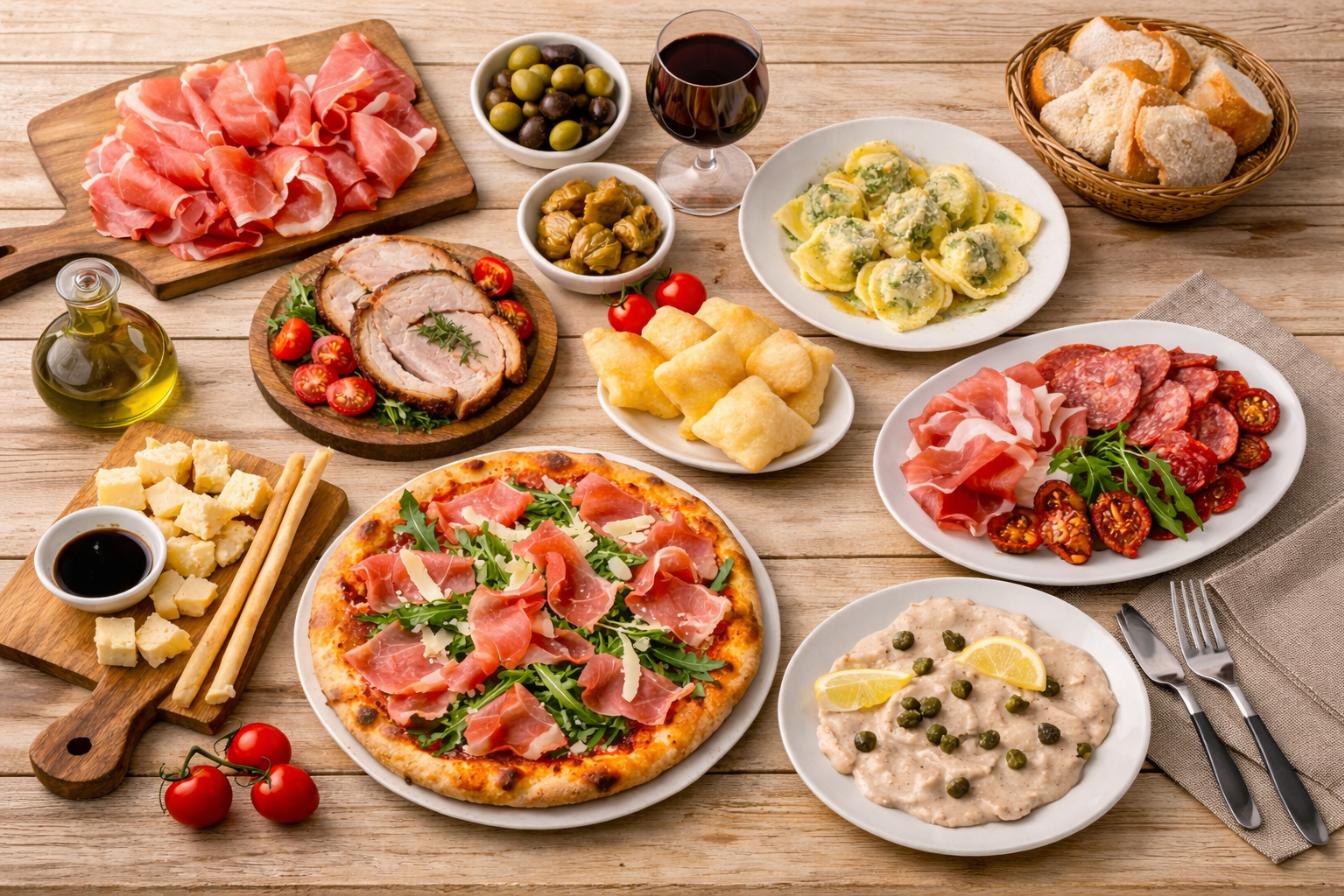
Bologna means tagliatelle al ragù, tortellini and mortadella; Modena means traditional balsamic vinegar and Parmigiano Reggiano; Parma means Parmigiano Reggiano, Prosciutto di Parma and Culatello di Zibello. There's real overlap between the cities on cheese, but each one has a specialty the others don't.
| City | Dish or Product | Why It Matters |
|---|---|---|
| Bologna | Tagliatelle al ragù | The real, local version of what most of the world calls "bolognese" |
| Bologna | Tortellini in brodo | Small stuffed pasta served in broth, a Bologna and Modena classic |
| Bologna | Mortadella | The PGI-protected cured pork sausage the city is named for internationally |
| Modena | Aceto Balsamico Tradizionale | DOP-protected vinegar aged for years in a series of progressively smaller wooden barrels |
| Parma | Parmigiano Reggiano | DOP cheese aged 24, 36 or 48+ months, with each stage tasting noticeably different |
| Parma | Prosciutto di Parma | DOP cured ham, sliced fresh and tasted at different curing stages on most tours |
| Parma | Culatello di Zibello | A rarer, more prized DOP cured meat than standard prosciutto, from the area around Zibello |
Our deep dive on what to eat in Parma covers the Parma side of that table in far more detail, including where the tastings usually happen and what a typical food-tour route looks like.
What Makes Parma Different From Bologna And Modena For A Food Trip?
Parma's main advantage is production access: it has the deepest, easiest-to-book infrastructure for actually watching Parmigiano Reggiano and Prosciutto di Parma get made, something Bologna and Modena don't offer at the same scale for their own specialties. Bologna's food culture is mostly experienced through eating, not touring working factories. Modena's balsamic estates do run tours, but they're smaller-scale and family-run rather than the multi-operator tour ecosystem that exists around Parma.
That difference shows up directly in how many bookable options exist. Parma's own tour market lists eight separate food experiences across two platforms, ranging from a $93 two-hour factory visit to a $396 full-day private circuit, several with thousands of bookings behind them. Neither Bologna nor Modena has an equivalent density of producer-specific, factory-access tours built around a single protected-origin product.
Parma also has a genuinely different pace. Its historic center is compact, walkable, well lit and generally considered safe for solo travelers, without the volume of tourist traffic that Bologna's train-hub status brings. Factories and producers around Parma operate on managed schedules and require advance booking through tour operators, which means independent wandering won't get you the same behind-the-scenes access that a booked tour will. Our Parmigiano Reggiano factory tours guide and Prosciutto di Parma ham tours guide both go into what those bookable experiences actually look like.
Which Tours Cover The Whole Food Valley In A Single Day?
Private Food Valley Day combines Parmigiano, ham and balsamic producers in a private itinerary. Pickup choices include Milan, Bologna and Parma; the listed seven hours should not be treated as the total door-to-door time from every city. Confirm your selected option and return arrangements.
Private Parma Producer Day combines a dairy, ham producer and balsamic acetaia with a three-course lunch in eight hours. It requires at least two participants and offers transport-included and self-drive options, which makes the selected option central to planning the day.
Should You Base Yourself In Bologna Or Parma?
Bologna makes sense as a base if you want a bigger city with more transport options, more nightlife and easy onward connections; Parma makes sense as a base if food production access and a quieter pace matter more to you than city size. Neither choice is wrong, and the 55-minute train ride between them means you're never locked in either way.
Bologna's size cuts both ways. It has more restaurants, more transport links and more going on after dark, but it also means more competition for the tourist experiences and a livelier, louder center. Parma is smaller and calmer, and its historic core clusters neatly around Piazza Garibaldi, the Cathedral and Baptistery, and Teatro Regio, all within easy walking distance of each other. Our Parma vs Bologna comparison weighs this trade-off directly if you're still deciding.
When Is The Best Time Of Year For A Food Valley Trip?
May, September and October generally offer the most comfortable weather for walking between markets and producers, though October and November are also the region's rainiest months, so a layer for rain is worth packing even in the good months. Summer runs hot and humid across the whole Food Valley, with daytime highs regularly near 30°C in July and August and occasional heatwaves pushing toward 40°C, a real concern in a region built around aging cheese and cured meats in temperature-managed rooms.
Winter brings cold, humid, foggy conditions to the whole Po Valley, Bologna, Modena and Parma included, especially from November through March, and it's the quietest season for tourism, offset by Christmas markets and illuminations starting in early December. Two real local events are worth timing a trip around if you can: Festival Verdi, an opera festival held every October, and November Porc, a cured-meat and Culatello-focused food event cluster held every November. Our best time to visit Parma guide covers the month-by-month breakdown in more detail.
How Does This Trip Actually Come Together In Practice?
Most itineraries settle into one of two shapes: base in Bologna and day-trip out to Modena and Parma, or shift a night or two into Parma itself if factory access and a slower pace matter more than staying in one hotel the whole time.
Most travelers who ask about Bologna, Modena and Parma together aren't trying to see everything in the region. They want two things: a genuine taste of more than one Food Valley city, and enough structure that they're not wasting a day figuring out train schedules. Basing in Bologna solves the transport-hub problem, since it's the best-connected of the three for onward travel to Milan, Florence, Venice or Rome. Day-tripping to Modena and Parma from there keeps luggage logistics simple, since you're not checking in and out of multiple hotels.
The trade-off is time. A day trip to Parma gives you enough hours for one factory tour and a walk through the center, but not much more. If Parmigiano Reggiano and Prosciutto di Parma are the specific reason you're making this trip, rather than a general interest in the whole region, shifting a night or two of your itinerary to Parma itself, rather than Bologna, buys you room for a slower pace and a second tour if you want one. Is Modena worth a day trip and how many days in Bologna before Parma both dig into these specific scheduling questions in more depth if you're still weighing the split.
A few logistics are worth locking in before you leave home rather than figuring out on the road. Book any Parmigiano or Prosciutto factory visit at least a few weeks ahead, since these run on production schedules with real capacity limits rather than same-day walk-up availability, and the better-rated tours routinely carry thousands of bookings, a sign that demand outpaces short-notice availability more often than not. Check the specific morning train times for whichever day you're doing Modena or Parma the night before, since Regionale services run on a different schedule than the faster Frecce trains and same-day flexibility is more limited on the cheaper tickets. And pack light for the day-trip legs specifically, since you'll be carrying whatever you bring through factory floors and onto trains rather than leaving it in a hotel room.
One more practical point worth stating plainly: this trip doesn't require choosing a single "correct" order. Some travelers do Parma first, while the appetite for cheese and ham is freshest, then unwind in Bologna's bigger-city energy afterward. Others prefer Bologna first as a softer landing before the quieter, more focused pace of Parma. Both sequences work. What matters more than the order is booking the Parma factory tour early enough that it doesn't become the piece of the trip you have to skip because everything filled up.
Whichever way you split the days, book any factory visit ahead of time. These are working producers running on production schedules, not walk-up attractions, and the better-rated tours around Parma routinely run in the thousands of bookings, which tells you demand outpaces same-day availability more often than not. Treat that booking step as the one non-negotiable piece of planning in an otherwise flexible trip, and the rest of the Food Valley, whether it ends up being two cities or three, tends to fall into place around it.