Parmigiano Reggiano Factory Tours In Parma: What To Expect
A real Parmigiano Reggiano factory tour near Parma means copper vats, aging rooms stacked with thousands of wheels, and a guided tasting across different ages. Here is what actually happens, step by step.
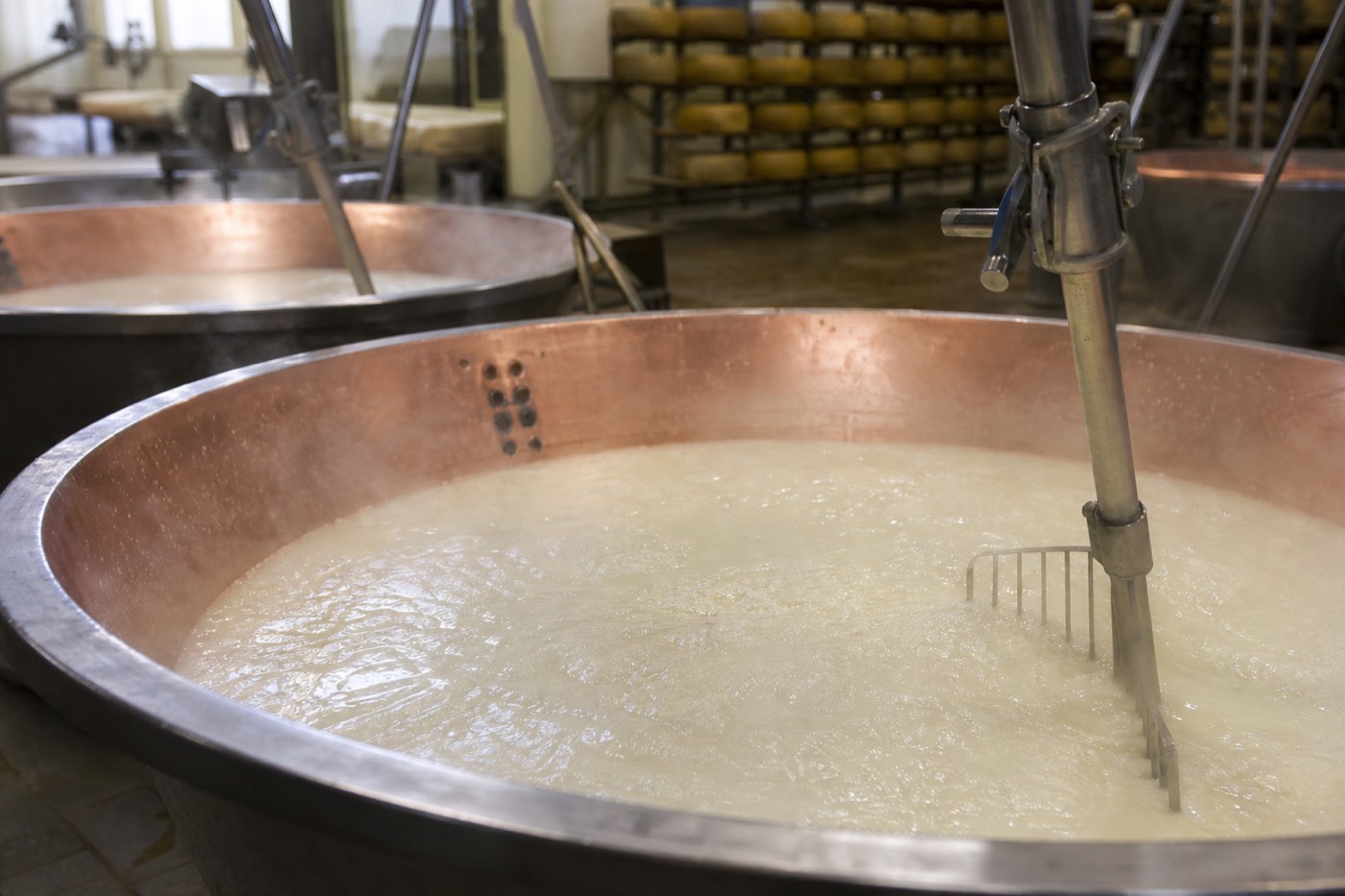
Most people picture a cheese tour as a shop with samples on toothpicks. A Parmigiano Reggiano factory visit near Parma is a working dairy on a production schedule, not a retail counter. The milk arrives before dawn, the curds get pulled while you watch, and the wheels you see stacked to the ceiling are worth more, per kilogram, the longer they sit there. That difference is what makes the visit worth planning around rather than squeezing in.
At A Glance: See a working dairy within a full producer circuit. Explore Private Parma Producer Day
What Actually Happens On A Parmigiano Reggiano Factory Tour?
A typical visit runs about two hours: a short transfer to a working dairy, a walk through the production floor to watch curds being pulled from copper vats, a pass through the aging rooms, and a seated tasting comparing cheese at different ages, usually with a glass of local wine.
The morning shift is the part most operators build the visit around, because it is the only window when the cheesemaking itself is happening rather than just resting in storage. You arrive to steaming copper vats, a guide explaining the milk-to-curd transformation, and cheesemakers physically lifting the curd mass out by hand, still bound in cloth. From there the group moves to the salting and shaping rooms before finishing in the aging warehouse and the tasting room. None of this is staged for visitors. It is the same sequence the dairy runs every working day, and a tour simply gets you inside it with someone explaining what you are looking at.
How Does DOP-Protected Production Actually Work?
Parmigiano Reggiano is a Denominazione di Origine Protetta (DOP) product, meaning it can only legally carry the name if it is made in a defined zone using specific methods, checked against a fixed recipe of milk, rennet, and salt, with no additives allowed.
That protected status is the reason a factory visit has any real content to show you. The production method is not a marketing story, it is a set of rules a dairy has to follow to be allowed to stamp its wheels with the Parmigiano Reggiano mark at all. Every wheel starts from raw cow's milk, usually a blend of the evening milking (partially skimmed) and the following morning's milking, heated in copper vats with natural whey starter and calf rennet, and nothing else goes in. No preservatives, no additives, no shortcuts on timing. What you are seeing on the tour is a centuries-old recipe running under modern food-safety oversight, which is part of why the Emilia-Romagna region around Parma treats this cheese as a piece of protected regional identity rather than just a product line. It is also the whole reason Parmigiano Reggiano and generic "Parmesan" are not legally interchangeable, even though the second term gets used loosely worldwide.
What Happens Minute By Minute During The Production-Floor Walk?
Guests watch curds being cut inside copper vats, see the curd mass lifted out and divided in two, pass through the salting brine room, and then walk into the aging warehouse where the wheels they just watched being formed will sit for a minimum of twelve months.
The sequence tends to run in this order, based on how the cheese-focused tours in Parma structure the visit:
- Arrival at a small or mid-size dairy, usually a short van transfer from a central Parma meeting point, with a guide introducing the day's production numbers before you go in.
- The vat room: milk from the morning and evening milkings is already heating in large copper-lined vats, and depending on timing you may see the curd being cut into rice-sized granules with a tool called a spino.
- The lift: two cheesemakers pull the settled curd mass out of the vat by hand, wrapped in cloth, and divide it into two wheels, which is the moment most tour photos come from.
- Shaping and salting: the fresh wheels go into molds to set their shape and the DOP markings, then into a brine bath for roughly three weeks (not usually shown live, but explained on the walk).
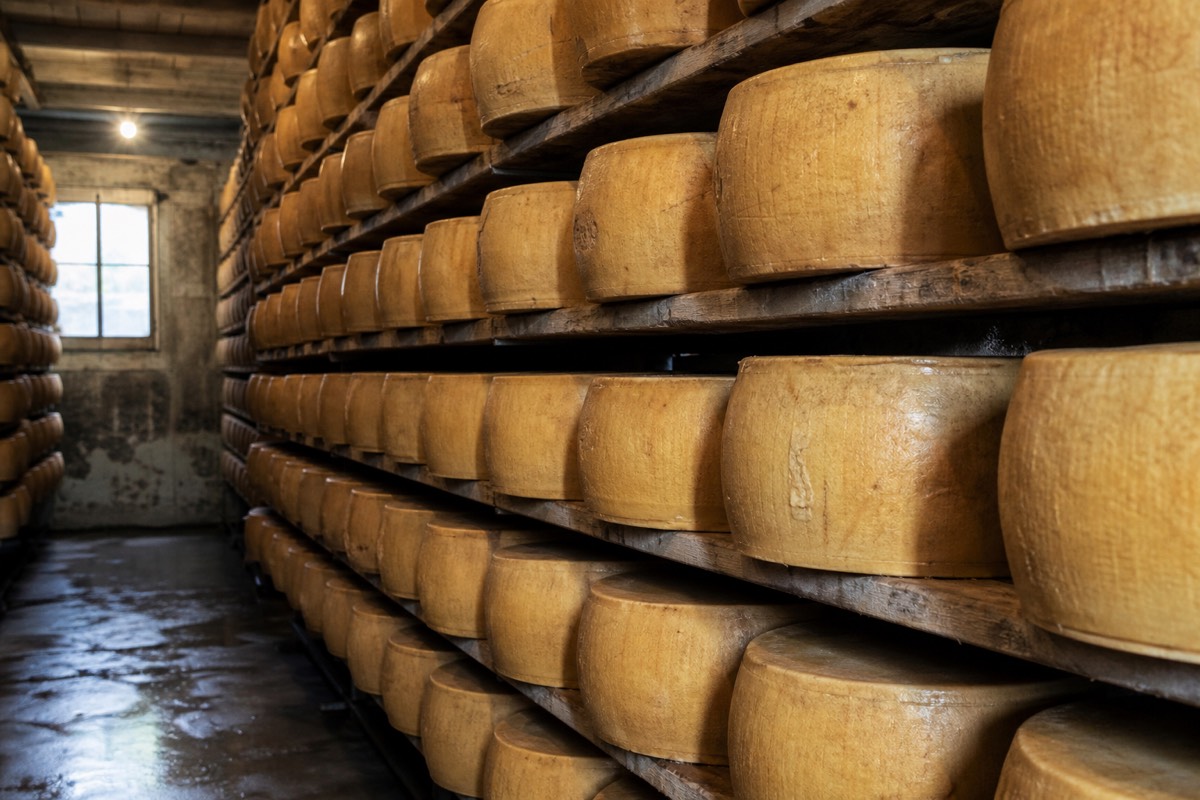
- The aging room, or "stagionatura": thousands of wheels stacked floor to ceiling on wooden shelving, some dairies still turning and brushing them by hand or with rotating machinery.
- The quality check: an inspector or guide demonstrates the traditional hammer-testing method, tapping each wheel to listen for hollow spots, and explains the fire-branding mark that seals a wheel as genuine, graded Parmigiano Reggiano.
- The tasting: a seated or standing tasting comparing cheese at different ages, often paired with a glass of local wine, closing out the visit before the return transfer.
Parma Cheese Factory Visit is a 2.5-hour guided dairy visit with tasting. It demonstrates production rather than offering a hands-on cheesemaking class.
Where Do These Tours Usually Meet, And How Far Is The Drive?
Most cheese-focused tours meet at a designated point in central Parma, often near the train station or a specific hotel, then transfer by van 15 to 20 minutes to a working dairy outside the city; the round trip and visit together fit inside the tour's stated duration.
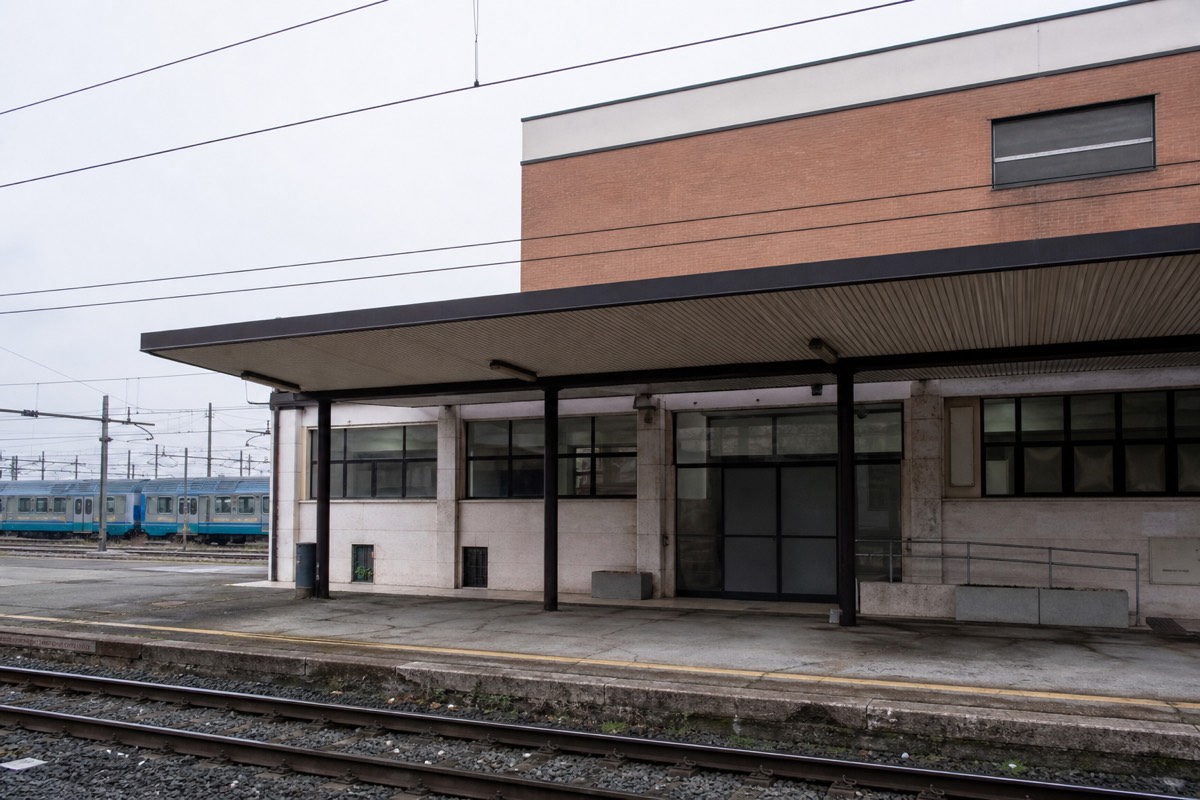
The specific meeting points vary by operator. One well-reviewed cheese tour gathers guests at the north exit of the Parma train station, near the NH Parma hotel, before a roughly 15-minute drive out to the dairy. Others that combine cheese with ham or balsamic vinegar meet at a central café or parking area, such as Caffetteria Toschi, before a longer loop through the countryside. None of the dairies used for these visits sit inside the historic center itself, which is exactly why a booked tour with transport included is the practical way to see one, rather than trying to walk there. Arriving on time matters more than it might seem: several operators note that vehicles depart within about ten minutes of the scheduled start, with no exceptions for late arrivals caused by delayed trains.
What Group Size And Guide Style Should You Expect?
Most Parmigiano factory tours run in small groups of roughly six to twelve people with a single local guide, and private options exist for couples or families who want a dedicated guide and a more flexible pace.
Production floors have limited space, making group format useful to compare. Private Parma Producer Day keeps the experience private to your party, with at least two participants. The operator still sets the production schedule; a private booking does not imply unlimited time at each stop.
Does The Weather Affect A Factory Tour?
Not much: the production floor, salting rooms, and aging warehouse are all indoor spaces, so tours generally run regardless of outside conditions, though the surrounding countryside is more pleasant to drive through in spring and early autumn than during summer's heat or winter's Po Valley fog.
Parma's summers run hot, with average highs near 30°C and occasional heatwaves pushing past 40°C, which matters more for the van ride and any walking portion in the historic center afterward than for the tour itself. Winter brings cold, damp, and the heavy fog the Po Valley is known for, especially from November through March, which can slow the countryside drive slightly but does not close the dairies. If you have flexibility in when you visit, May, September, and October offer the most comfortable combination of mild temperatures and lower humidity for the parts of the day spent outside a van or a factory building.
How Many Wheels Are Actually In The Aging Rooms, And Why Does It Matter?
Aging rooms at working dairies near Parma commonly hold thousands of wheels at once, with some larger facilities reporting storage in the range of several thousand to five thousand wheels on wooden shelving at a given time.
Aging rooms make the scale of cheesemaking tangible: wheels remain in storage for months before sale. Private Parma Producer Day includes a dairy visit as part of an eight-hour circuit with ham, balsamic and lunch. The exact warehouse inventory is not guaranteed.
What Is The Fire-Branding And Hammer-Testing Check, And Will You See It?
Before a wheel can be sold as genuine Parmigiano Reggiano, an inspector taps it all over with a small hammer to listen for internal flaws, and wheels that pass get fire-branded with the official mark; tours built around the cheese factory experience typically include a live demonstration of this step.
The hammer test is not a formality for the cameras. A wheel that sounds dull or hollow in places has developed internal cracks or air pockets during aging, and it either gets downgraded and sold as a lower grade or, in serious cases, rejected outright. Watching this happen is one of the more memorable parts of a visit precisely because it is not staged: it is quality control that has real financial consequences for the dairy, performed the same way it has been for centuries. The fire-branding that follows, burning the official Parmigiano Reggiano mark into a wheel that passes, is the visual most people remember afterward, and it is the reason every legitimate wheel of this cheese is individually numbered and traceable back to the dairy that made it.
What's Included In The Tasting, And How Do The Ages Compare?
A factory tasting typically compares cheese aged around 24, 36, and 48 months (sometimes alongside a younger wheel closer to 12 months), paired with local wine, so you can taste how texture and flavor intensity shift as the cheese matures.
The differences are more noticeable in person than they sound on paper. A younger wheel, closer to 12 or 18 months, is softer, milder, and slightly grassy. By 24 months the flavor sharpens and small crystalline pockets start to form. At 36 months the texture turns properly crumbly and the flavor concentrates into something nuttier and more savory. Push to 48 months or beyond and the cheese becomes almost brittle, with a flavor intensity that surprises people who only know Parmigiano from a green shaker can.
| Aging stage | Texture | Flavor profile |
|---|---|---|
| ~24 months | Firm, slightly grainy | Balanced, nutty, mild sharpness |
| ~36 months | Crumbly, visible crystals | Concentrated, savory, deeper nuttiness |
| ~48 months | Dense, brittle | Intense, almost caramelized, long finish |
How Long Does A Parmigiano Reggiano Factory Tour Take?
A dedicated cheese factory visit runs about two hours door to door; combination tours that add a ham factory or balsamic vinegar estate stretch to four or seven hours depending on how many stops are included.
If your priority is efficiency, the shortest option is the better pick: a focused two-hour visit gets you the full production walk and a tasting without eating up a whole day. If you would rather combine the cheese visit with Prosciutto di Parma and, in some cases, a balsamic vinegar estate and a trattoria lunch, the half-day and full-day formats do that, at the cost of a longer time commitment and a higher price. Our companion guide on Prosciutto di Parma ham tours covers what the curing-room half of those combined visits actually looks like.
Which Parmigiano Reggiano Factory Tour Is Worth Booking?
Three GetYourGuide-listed tours near Parma center specifically on Parmigiano Reggiano production, ranging from a focused two-hour cheese-only visit at $93 to a seven-hour circuit at $245 that adds Prosciutto di Parma and balsamic vinegar.
Choose between a focused dairy visit and a longer combined producer itinerary. Current tour details and group-cost comparison are in the booking module after the guide; prices depend on your date and selected option.
A focused dairy visit leaves more time for city sightseeing; a combined producer day adds ham, balsamic and lunch. Compare the duration and transport option, then use your actual date and group size for a quote. Related reading: one-day Parma itinerary.
Is Booking In Advance Necessary?
Reserve a date before building your day around a dairy visit. Parma Cheese Factory Visit provides a shorter option; Private Parma Producer Day needs a full day. Confirm the departure and meeting point instead of relying on an assumed peak-season booking window.
Unlike a restaurant you can usually walk into, a dairy visit is not something you can show up for on the day and expect a spot. Several operators run multiple morning departures to spread demand across the day, which does give some flexibility, but the more popular combined tours, especially the one pairing cheese with Prosciutto di Parma, book up well ahead of peak season given how many thousands of travelers already go through them each year. If your travel dates are fixed and this visit matters to you, treat it the way you would a popular museum timed-entry ticket rather than a spontaneous add-on.
Who Should Skip A Factory Tour?
Travelers with mobility restrictions, anyone who cannot wear closed-toed shoes, and people on a very tight schedule with under two hours in Parma are generally not well matched to a factory visit.
Working dairy floors are wet, uneven, and cold in the aging rooms, and several of the cheese-focused tours near Parma explicitly note they are not accessible for wheelchair users or people with mobility impairments, because of the factory floor conditions themselves rather than any policy choice. Sandals and open-toed shoes are also a hard no on every version of this tour, for the same practical safety reason. If you are traveling with young children who tire quickly, the shorter two-hour cheese-only visit is a gentler fit than the half-day combination format. And if your stop in Parma is genuinely brief, a factory visit competes directly with simply walking the historic center, covered in our guide to things to do in Parma.
What Should You Wear And Bring?
Closed-toed shoes are mandatory on every version of this tour because of wet and uneven factory floors, and a light layer helps since aging rooms run noticeably cooler than the production floor.
Beyond footwear, there is not much to prepare. Bring a camera, since the curd-lifting moment and the wall of aging wheels are the two shots most people want. Large bags and luggage are generally not allowed in the vans that shuttle groups between the meeting point and the dairy, so travel light on tour days. An empty stomach helps too. Between the multi-age cheese tasting and, on the longer formats, a full trattoria lunch, this is not a tour to do on a full breakfast.
Is Independent Exploration An Option Instead?
Not really, because working Parmigiano Reggiano dairies operate on managed production schedules and require advance booking through tour operators; there is no walk-up access to watch cheesemaking happen on your own.
Parma's historic center is genuinely well set up for independent food exploration: covered markets, salumerias, and specialty shops all welcome walk-ins with no reservation needed. But the working dairies themselves are a different category entirely. They are functioning food-production facilities on fixed schedules, not visitor attractions with open hours, so the only realistic way to see the vats and aging rooms in person is through a booked tour. That is also true of Barilla's actual pasta plant in nearby Pedrignano, which is not open for casual visits either, a detail we cover in more depth in our piece on touring the Barilla pasta factory near Parma. For a broader look at the food museum network that covers Parmigiano's history in more depth than a working dairy can, the Musei del Cibo network, which includes the Academia Barilla site, is worth a look while planning.
Can You Buy Cheese To Take Home After The Tour?
Most factory visits end near or inside a shop attached to the dairy, where vacuum-sealed wedges of cheese at different ages are typically available to buy, along with other regional products, though this is generally treated as an optional add-on rather than part of the included tasting.
If you plan to carry cheese home, especially internationally, it is worth checking your destination country's customs rules on dairy products before buying more than you can realistically use during the rest of your trip, since restrictions vary considerably by country and change periodically. Vacuum-sealed packaging travels reasonably well for a trip of a few days, but Parmigiano Reggiano is not a delicate product to begin with, which is part of why it has historically traveled well as an export even before modern packaging existed.
How Does This Pair With The Rest Of A Parma Food Itinerary?
Most visitors combine a Parmigiano factory visit with a Prosciutto di Parma stop on the same day, since several tours package both, and round out the day with a walk through the historic center rather than a separate excursion.
If your interest in Parmigiano is really an interest in Emilia-Romagna's food culture generally, it is worth reading around before you book. Our guide to what to eat in Parma covers the full product list beyond just cheese, our Bologna, Modena, Parma Food Valley guide maps how the three cities' specialties connect, and if you are deciding how to split time between cities, Parma vs. Bologna lays out the tradeoffs directly.