Parmigiano Reggiano Vs Parmesan: What's The Difference?
They aren't the same product, even though the names get used interchangeably outside Italy. Here's what actually separates them.
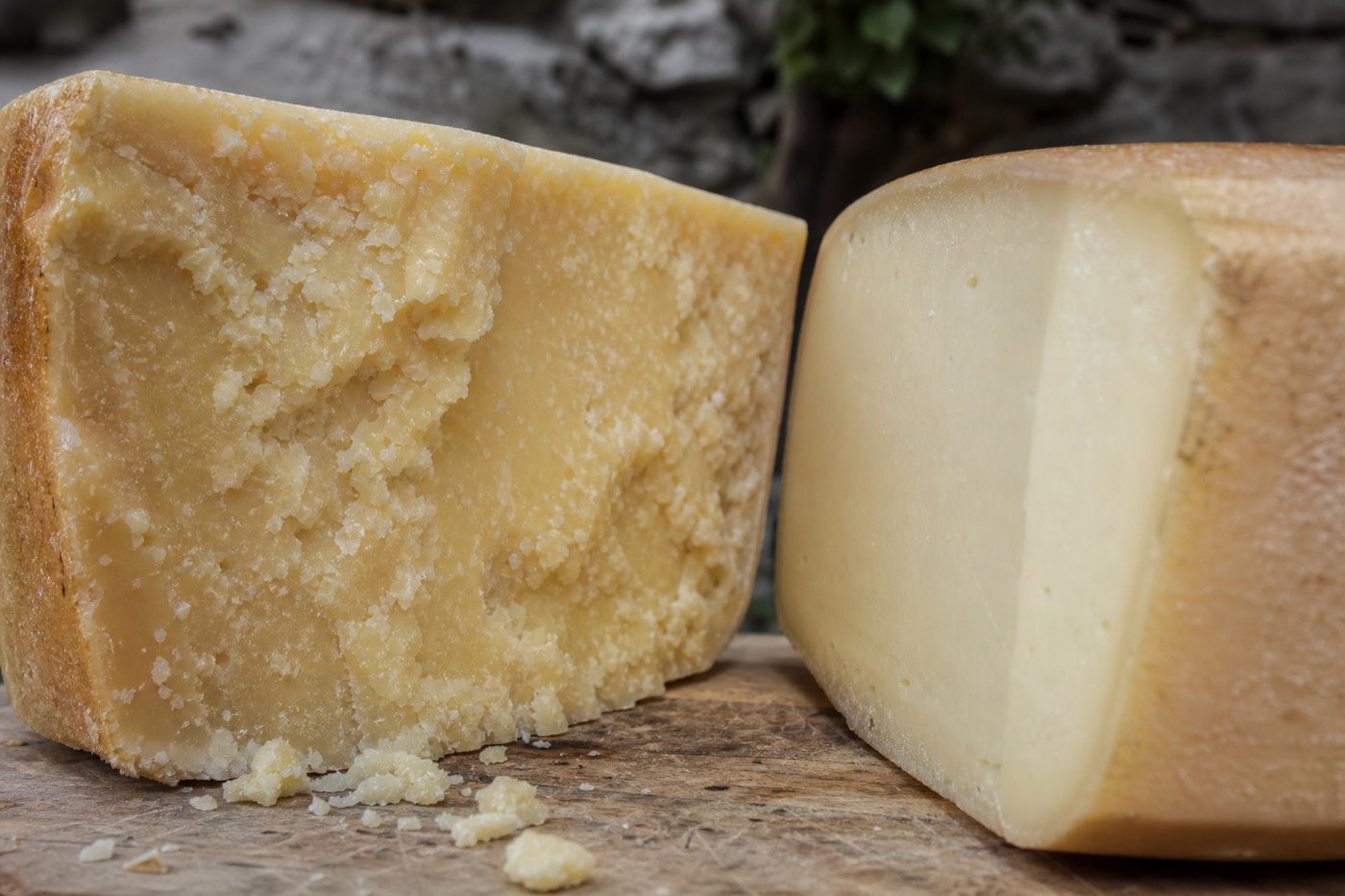
What's The Actual Difference Between Parmigiano Reggiano And Parmesan?
Parmigiano Reggiano is a DOP-protected name that can only be used for cheese made in a specific, legally defined zone in Italy under strict production rules; Parmesan is a generic term, essentially a translation, that can legally be applied to hard aged cheese made anywhere in the world, including outside Italy, without following those same rules. That's the whole difference in one sentence, but it's worth unpacking, because the two products can taste noticeably different.
At A Glance: See where Parmigiano is made within a cheese, ham and balsamic producer day. Explore Private Parma Producer Day
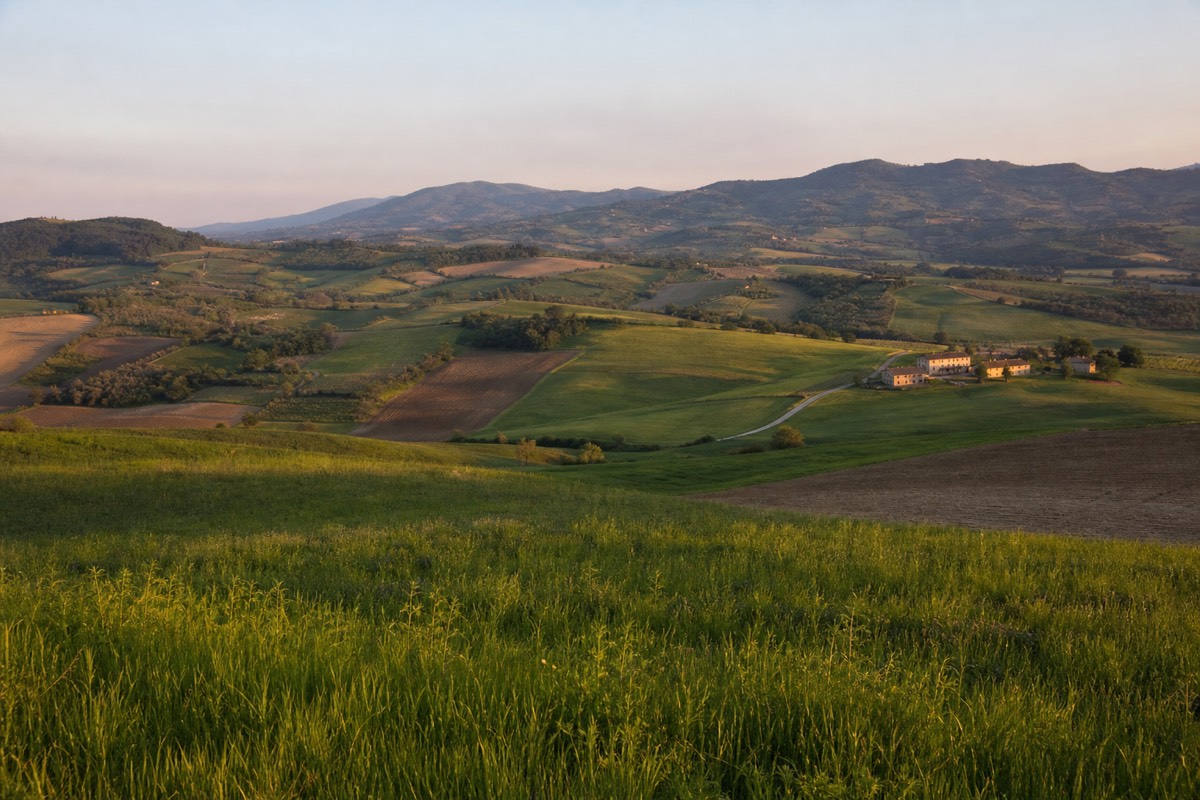
The DOP zone for Parmigiano Reggiano spans Parma, Reggio Emilia, Modena and parts of Bologna and Mantua. Cheese made anywhere outside that defined area, following different rules, using different feed or different aging standards, cannot legally be sold as Parmigiano Reggiano within the EU, even if it's a genuinely good product on its own terms. "Parmesan," by contrast, isn't a protected name in most markets, which is exactly why you'll find it stamped on packaged, pre-grated cheese produced far from Italy.
Why Does The DOP Status Actually Matter?
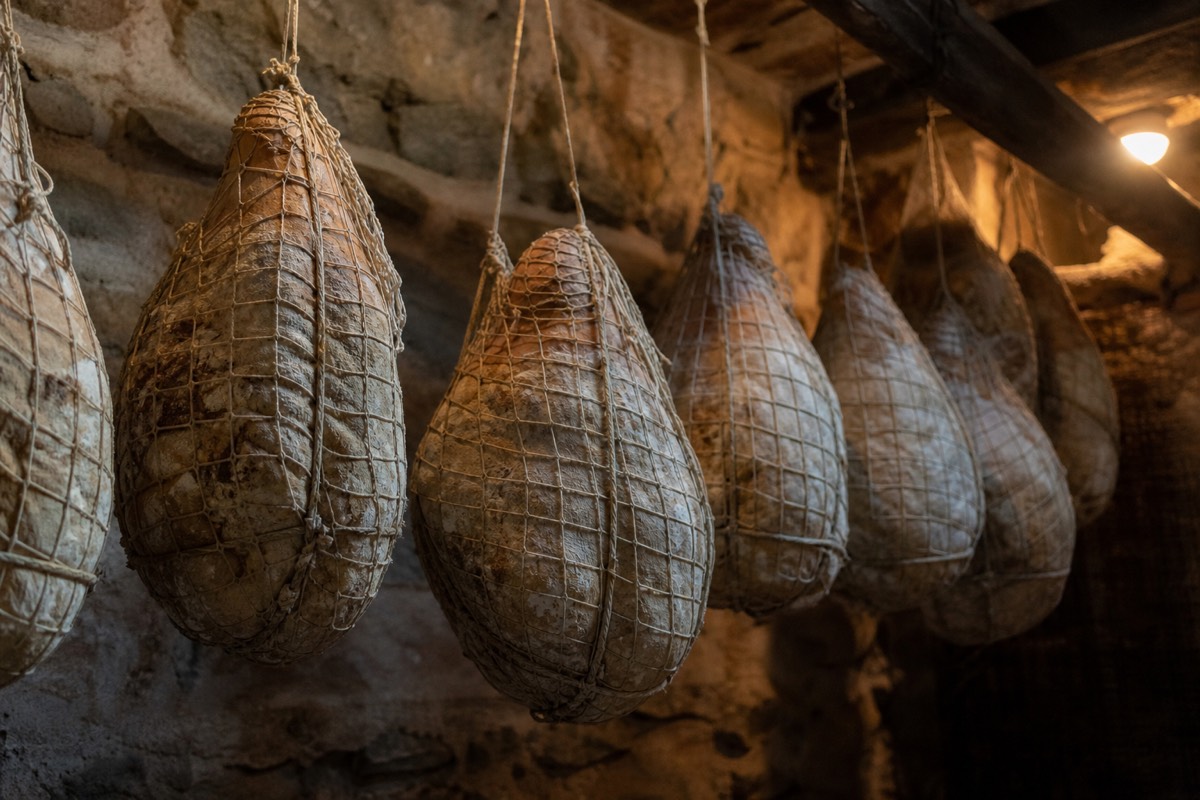
DOP, Protected Designation of Origin, is a real, well-documented EU system for protecting regional food names tied to a specific place and production method. It isn't marketing language. It's a legal framework, and Parmigiano Reggiano is one of its best-known examples. Parmigiano Reggiano is one of several DOP products from this region, alongside Culatello di Zibello and Prosciutto di Parma, all governed by similarly strict rules covering where the cows graze, how the wheels are made and aged, and how the finished product is inspected and certified before it's allowed to carry the name.
Aging is where the practical difference shows up most for a traveler tasting the real thing. Genuine Parmigiano Reggiano is commonly tasted at 24, 36 and 48-plus months, and each stage has a distinctly different texture and flavor, from smoother and milder at 24 months to more crystalline and intense past 36. Generic Parmesan, made outside the DOP system, doesn't follow that same graded, controlled aging process, which is part of why the taste and texture can vary so widely from brand to brand.
How To Tell Them Apart, And Use Each One In Cooking
Look for the DOP mark and the Parmigiano Reggiano name stamped directly into the rind when buying, and match the cheese to the job: grate the real thing fresh for dishes where it's the star, and save cheaper pre-grated Parmesan for recipes where it melts into something else. The two aren't interchangeable in every recipe, even though they get treated that way at the grocery store.
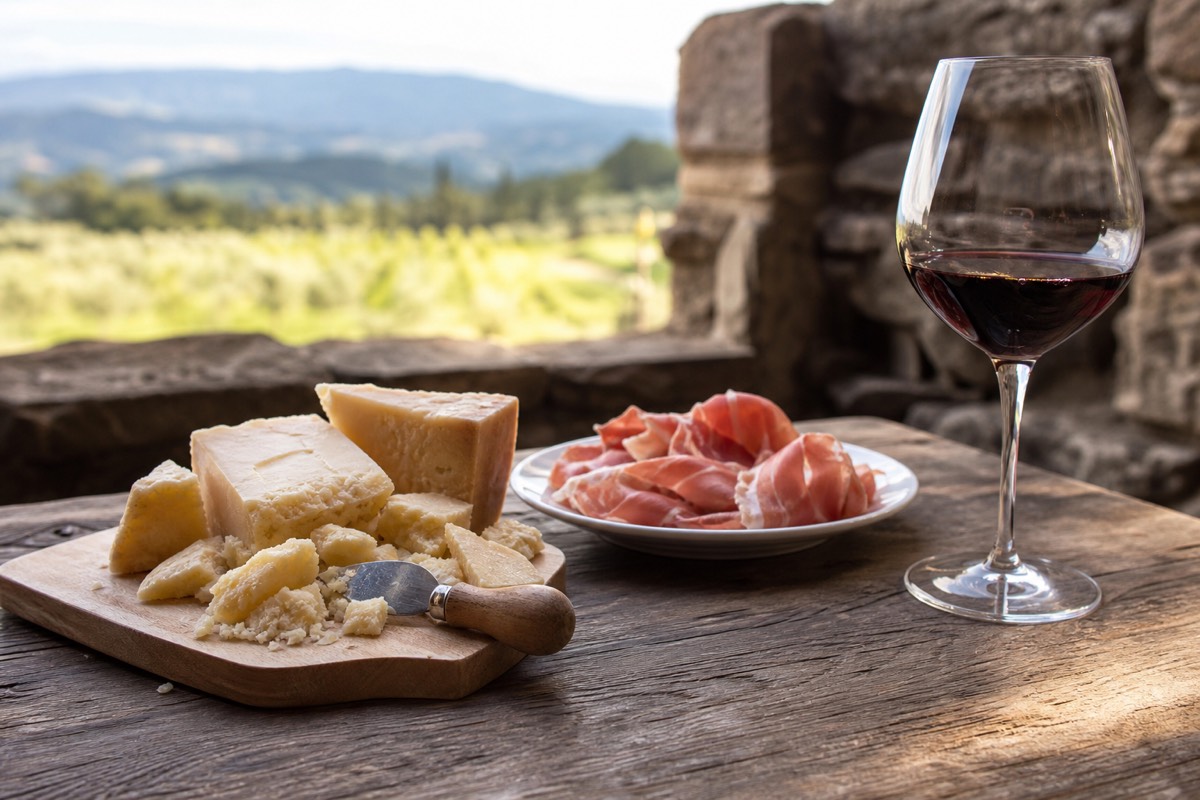
Genuine wheels are branded with the name during production and go through quality testing by the Consorzio before release, which is part of why the real thing is more expensive and harder to find outside specialty shops than generic "parmesan" is. Pre-grated cheese in a shaker, in particular, is almost never the genuine DOP product.
Outside Italy the labeling gets blurrier. Some imported wedges genuinely are Parmigiano Reggiano DOP, shipped whole and cut to order at the counter, while shakers labeled "parmesan" or "parmesan-style" almost never are. When in doubt, the rind is the tell: a genuine wheel carries the Parmigiano Reggiano name and the DOP mark stamped repeatedly around the entire rind, something a pre-cut wedge or shaker simply can't fake convincingly. Once you get it home, keep it wrapped tightly in the fridge rather than left out, and grate it cold; it holds its texture better that way than at room temperature.
The difference matters most when the cheese is doing the finishing work rather than getting cooked into something else. Fresh Parmigiano Reggiano, grated at the table or shaved over a finished dish, whether that's a bowl of pasta, a risotto right before serving, or a plain green salad, carries an aromatic complexity that comes through precisely because nothing else is competing with it. Eaten in small chunks on its own, sometimes with a drizzle of aged balsamic or a few grapes, it works almost like a dessert cheese rather than an ingredient.
Pre-grated, shelf-stable Parmesan works fine in the opposite situation: stirred into a sauce, baked into a casserole, melted into a cheese sauce or folded into a filling, where heat and other ingredients mask a lot of the nuance anyway. That's not a knock on it, it's just a different job. As a rule of thumb, buy a wedge and grate it fresh when the cheese is the headline flavor of the dish, like cacio e pepe or a simple pasta al burro, and reach for the cheaper tub when it's one ingredient among many in something heavily sauced or baked.
Tasting at the source makes the difference more concrete. Parma Cheese Factory Visit includes a guided dairy visit and cheese tasting. Private Parma Tasting Walk offers an alternative in Parma city, including an expert comparison of three cheese ages; choose the option with tastings included if you want those costs covered. Related reading: Parmigiano Reggiano factory tours, what to eat in Parma, best restaurants in Parma.