Best Restaurants In Parma: Where Locals Actually Eat
Parma is a compact, walkable city with a food culture that rewards wandering into the right kind of place rather than chasing a single famous name. Here is what actually characterizes good eating here, honestly framed.
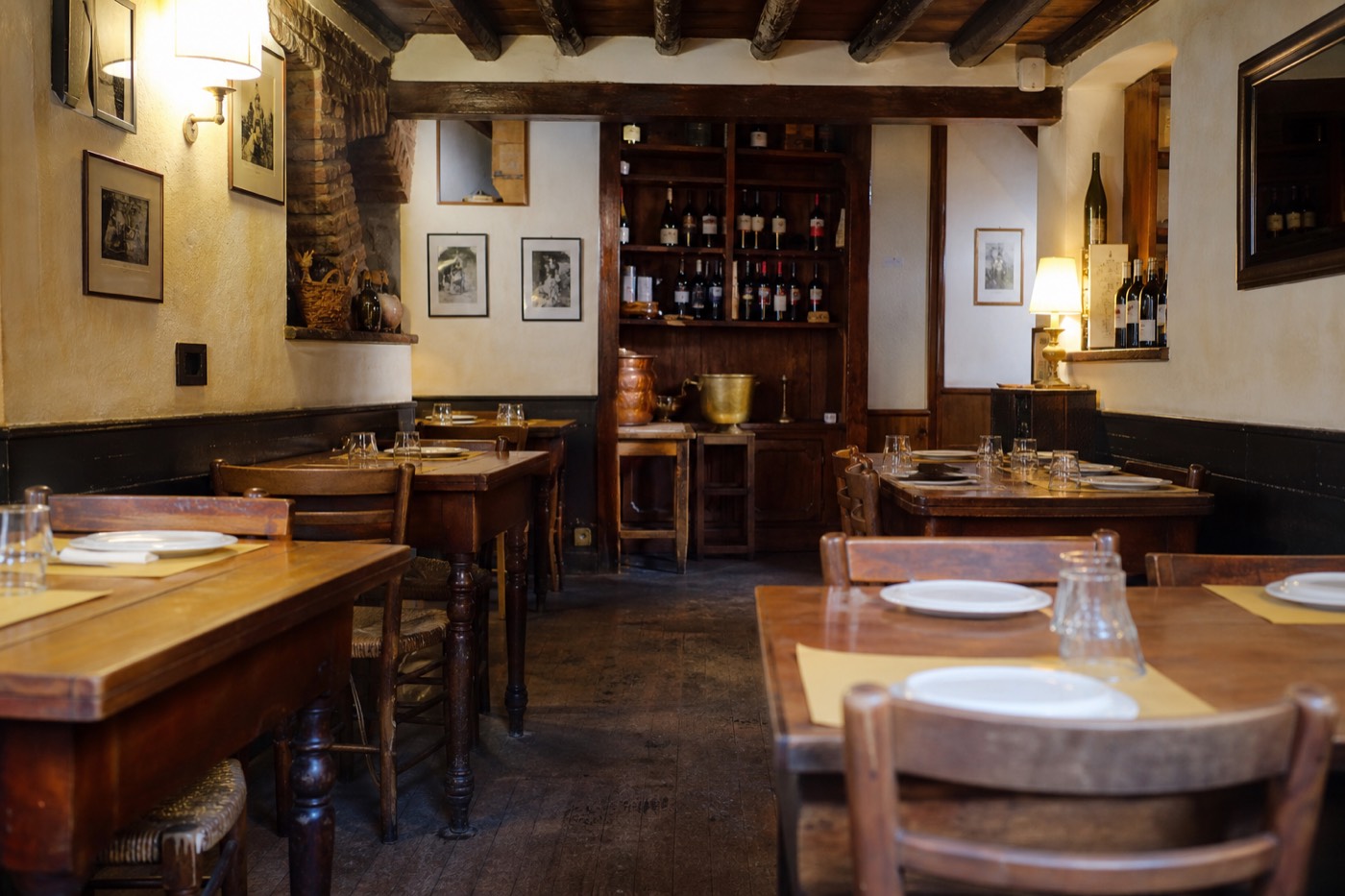
Ask ten people for "the best restaurant in Parma" and you will get ten different answers, most of them outdated by the time you arrive, because small family-run places in a city this size change hands, close for August, or quietly get better or worse from one season to the next. What does not change is the pattern: this is a city built around trattorie, covered markets, and counter-service salumerias rather than destination dining, and understanding that pattern will serve you better than any single name.
At A Glance: Discover artisan stops with a local guide. Explore Parma Artisan Food Walk
We want to be direct about what this guide is and is not. We have not personally eaten at every trattoria in Parma's historic center, and we are not going to hand you a list of five restaurant names with invented star ratings just to look authoritative. What we can tell you, grounded in how the city's food geography actually works, is where the good eating clusters and what kind of place to look for once you are there.
Where Do Locals In Parma Actually Eat?
Locals in Parma eat mostly in family-run trattorie scattered through the historic center around Piazza Garibaldi, at counter stalls inside the Mercato della Ghiaia covered market, and at specialist salumerias clustered near the Duomo, rather than at any single famous destination restaurant.
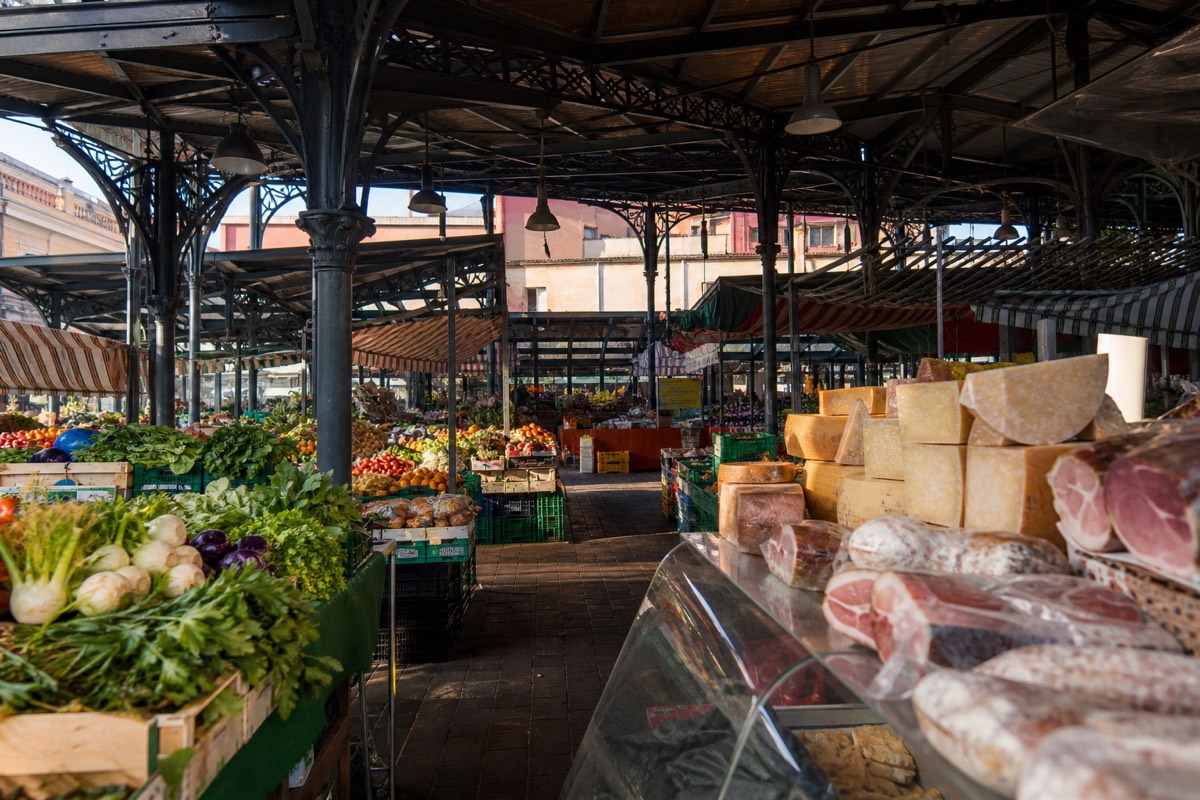
Parma's historic center is compact enough that "where locals eat" is less a list of addresses and more a description of a type of place: small, often unmarked from the street beyond a modest sign, seating maybe thirty people, run by a family that has probably been doing this for a generation or two. These places rarely advertise and rarely need to, since a compact city with a strong food culture keeps them full on word of mouth and repeat local customers. If you are looking for the polished, internationally-styled restaurant experience, Parma is not really built around that. It is built around this quieter, more local pattern instead.
What Kind Of Restaurant Is Worth Seeking Out In The Historic Center?
In Parma, a trattoria near Piazza Garibaldi, serving a short, seasonal, handwritten-menu of local dishes like tortelli d'erbetta, anolini in brodo, and cured meats, is generally a better bet than anywhere with a laminated multilingual menu aimed at tourists.
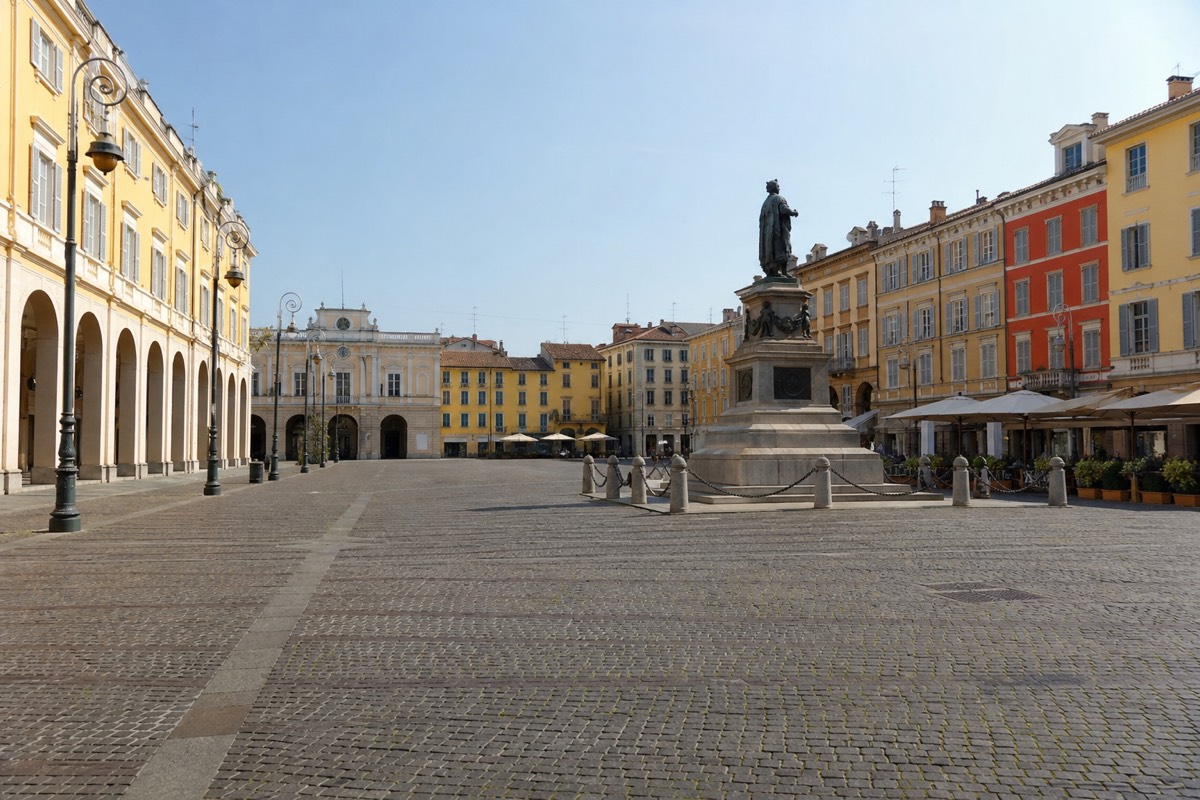
The general rule that travelers use across Italy applies here with unusual reliability: a short menu that changes with the season signals a kitchen cooking from what is fresh that day, while a long, static menu covering pizza, pasta, meat, and fish in six languages usually signals the opposite. Parma's compact historic center, radiating out from Piazza Garibaldi, the Duomo, and Teatro Regio, is dense enough with genuine trattorie that wandering a few streets off the main tourist paths tends to turn up better food than staying directly on them. This is also, not coincidentally, the exact area every food tour in the city routes through, because the guides know where the good stops are.
Mercato Della Ghiaia: Parma's Covered Food Market
The Mercato della Ghiaia is a covered market in Parma's historic center offering counter tastings of local products with no reservation required, and it is one of the most reliable places to sample real Parma food without committing to a full sit-down meal.
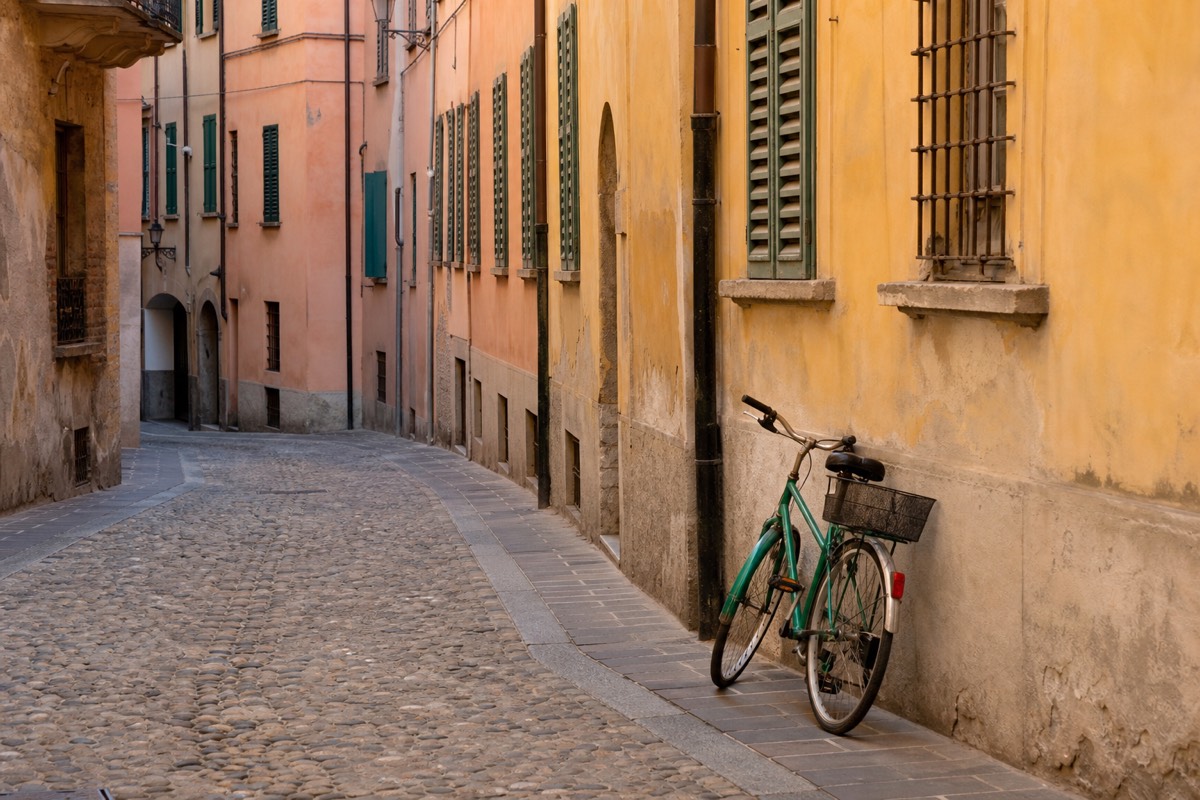
A covered market functions differently from a restaurant. You are not sitting down for a multi-course meal, you are moving stall to stall, tasting cured meats, cheeses, and produce directly from the people who sell them, often the same vendors who supply the trattorie around the corner. This is the closest thing Parma has to a guaranteed good meal without any research beforehand, because a functioning food market self-selects for freshness in a way an individual restaurant cannot fake. It is also genuinely low-effort as a stop: no reservation, no dress code, no risk of picking the wrong door.
Salumerias Around The Duomo: Counter Tastings Without A Reservation
The area around Parma's Duomo has a concentration of specialist salumerias offering counter tastings of Prosciutto di Parma, Culatello di Zibello, and other cured meats, walk-in only and generally more reliable for a quick, authentic bite than a full restaurant meal.
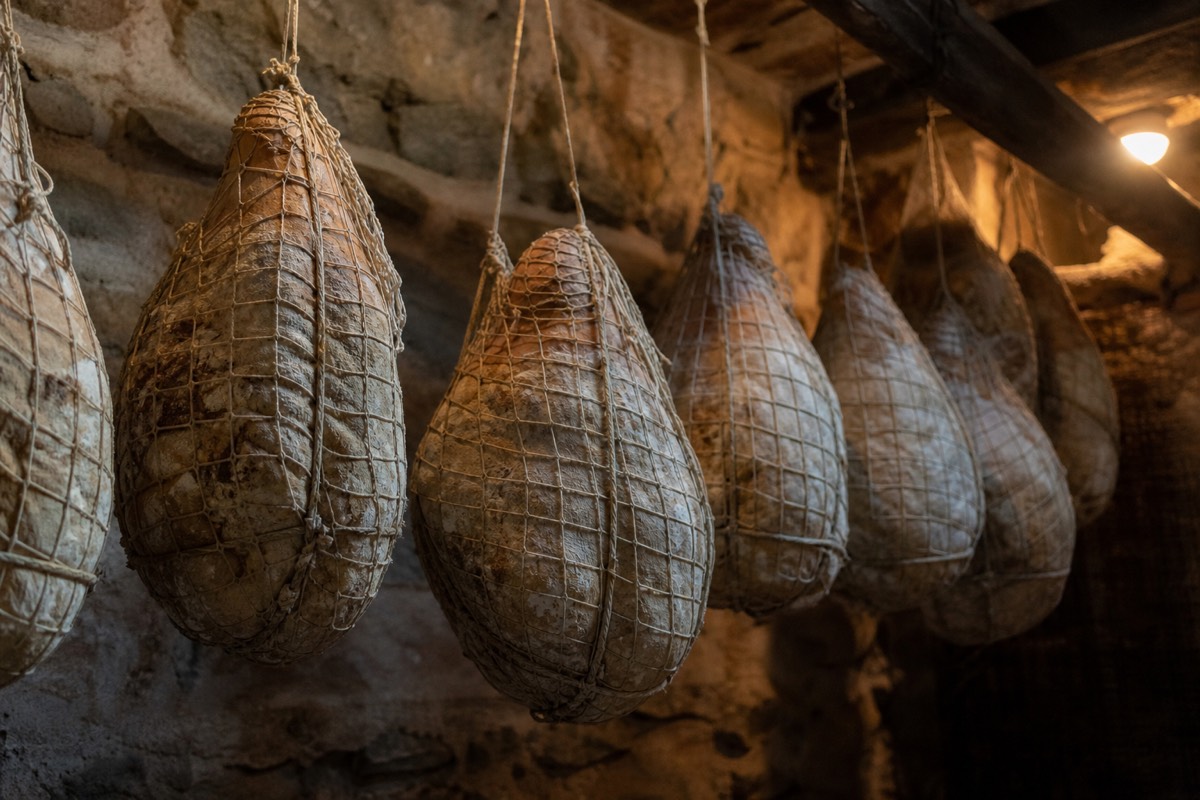
A salumeria is not a restaurant in the conventional sense, it is closer to a specialty deli with a counter where the person slicing your prosciutto has probably been doing it for years and can tell you, without prompting, which cured meat is at its best that week. Around the Duomo and along Via Farini, this style of shop is common enough that generous counter tastings, no reservation required, are simply part of how the neighborhood works. If your goal is tasting real Parma products in a low-commitment way between sightseeing stops, this is a more efficient use of time than sitting down for a full lunch.
| Where | What it's for | Reservation needed |
|---|---|---|
| Trattorie near Piazza Garibaldi | Sit-down local dishes: tortelli d'erbetta, anolini in brodo, cured meat plates | Recommended for dinner, less so for lunch |
| Mercato della Ghiaia | Counter tastings of local produce, cheese, and cured meats | No |
| Salumerias around the Duomo / Via Farini | Prosciutto di Parma, Culatello, salami by the slice | No |
Trattoria, Osteria, Or Ristorante: Does The Word On The Sign Matter?
In practice these words blur together in Parma the way they do across most of Italy, but a trattoria or osteria generally signals a simpler, more traditional, family-run place, while a ristorante can range from equally casual to genuinely formal.
None of these labels are strictly regulated, so a specific place calling itself an osteria might be more polished than another calling itself a ristorante, and the only way to know for sure is to look at the actual menu and the crowd inside. As a general starting point, though, trattoria and osteria are the words worth gravitating toward in Parma if your goal is the kind of unfussy, ingredient-forward local cooking the city is known for, particularly in the streets around Piazza Garibaldi.
Which Landmarks Anchor The Best Eating Neighborhoods?
The highest-rated food-adjacent neighborhoods cluster around Parma Cathedral, Teatro Regio, and Palazzo della Pilotta, three landmarks within easy walking distance of each other and of the trattorie and salumerias described above.
Using them as mental anchors is a genuinely useful way to navigate Parma's compact center without a fixed restaurant list in hand. If you are standing in front of one of these three, you are already inside the neighborhood where the food is good.
| Landmark | Google rating | Review count |
|---|---|---|
| Parma Cathedral (Duomo) | 4.7 | ~13,000 |
| Teatro Regio (opera house) | 4.7 | ~5,000 |
| Palazzo della Pilotta | 4.6 | ~8,100 |
Piazza Garibaldi sits roughly equidistant between the Duomo and Teatro Regio, which is exactly why so many trattorie and food-tour meeting points cluster there. The Mercato della Ghiaia and the Via Farini shopping street are both a short walk from this same triangle, so a visitor spending a day in the historic center rarely needs to venture far from these three landmarks to find good food.
Does The Season Change Where And How You Should Eat?
Not the trattorie or salumerias, which operate indoors year-round, but outdoor market browsing at the Mercato della Ghiaia is noticeably more pleasant in May, September, and October than during summer's heat or the fog and damp of a Parma winter.
Average daytime highs climb from a mild 14°C in March to around 30°C by July and August, with occasional heatwaves pushing past 40°C, hot enough to make an extended outdoor market browse uncomfortable in the middle of the day. Winter runs cold and humid, with the Po Valley's characteristic fog settling in from November through March, which does not close anything down but does make an evening walk between dinner spots feel considerably less pleasant. If your trip dates are flexible, aiming for the shoulder months gives you the best conditions for wandering between the market, the salumerias, and dinner without the extremes at either end of the calendar.
What If You Only Have A Few Hours In Parma?
With limited time, prioritize one cluster rather than trying to cover the whole historic center: either the Mercato della Ghiaia for a fast, varied tasting, or a single sit-down trattoria near Piazza Garibaldi for a proper meal, rather than splitting a short visit across both.
Trying to fit a market stop, a salumeria tasting, and a full trattoria meal into two or three hours generally means rushing all three rather than genuinely enjoying any of them. Our one-day Parma itinerary lays out a fuller sequence if you have a complete day to work with, and our broader guide to things to do in Parma covers how eating fits alongside the city's sights. If you are still deciding whether Parma deserves a stop on your itinerary at all, our piece on whether Parma is worth visiting and our guide to the best time to visit Parma both help with that broader planning question.
Why Do Most First-Time Visitors Book A Guided Food Tour Instead Of Restaurant-Hunting Alone?
A guided food tour removes the guesswork of picking restaurants cold, gives you context on what you are eating from someone with local knowledge, and grants a level of behind-the-scenes access, like factory and market visits, that independent restaurant-hopping simply cannot provide.
This is not a knock on restaurant-hunting. Parma's historic center is compact, well-lit, safe, and genuinely well set up for wandering in on your own, and its covered market and salumerias offer generous tastings with no reservation needed. What independent exploration cannot deliver is access to the working dairies and prosciutto factories that produce what ends up on the plate, since those operate on managed schedules and require advance booking through tour operators. Most first-time visitors find a guided tour helpful for exactly that reason: it adds the behind-the-scenes context that is difficult to get on your own, even in a city this walkable.
| Approach | Strength | Limitation |
|---|---|---|
| Independent exploration | Compact, safe, walkable center; generous market and salumeria tastings, no reservation needed | No access to working dairy or prosciutto factories, which run on managed schedules |
| Guided food tour | Behind-the-scenes factory access, expert context, curated tasting sequence | Fixed schedule and route, less spontaneous |
Private Parma Tasting Walk visits five tasting stops with a private guide, while Parma Artisan Food Walk combines artisan food tastings with behind-the-scenes pasta and pastry workshops. Both are city experiences rather than countryside factory tours. Related reading: Food Tours Parma.
What Should You Actually Order?
Regardless of where you sit down, Parma's defining dishes are tortelli d'erbetta (ricotta and Swiss chard pasta in butter and sage) and anolini in brodo, alongside a cured meat plate and a glass of dry, slightly sparkling Lambrusco.
We are keeping this section short deliberately, because our guide to what to eat in Parma already covers the full product list in depth, including how Parmigiano Reggiano, Prosciutto di Parma, and Culatello di Zibello fit into the wider picture. What is worth repeating here is that tortelli d'erbetta functions as Parma's signature pasta dish the way tortellini defines Bologna's food identity, and it is the single most reliable thing to order at any genuine trattoria in the city.
Who Should Not Rely On This Guide Alone?
Anyone wanting specific restaurant names, exact addresses, or verified star ratings should treat this as a starting framework rather than a definitive list, and cross-check current reviews closer to their travel dates since small family-run places change over time.
We would rather be honest about the limits of what we can responsibly claim than hand you a confident-sounding list built on nothing. A city this size, with this many small, word-of-mouth trattorie, genuinely does shift year to year in ways a static guide cannot track in real time. What stays reliably true is the geography: the historic center around Piazza Garibaldi, the Mercato della Ghiaia, and the salumerias around the Duomo and Via Farini are the right neighborhoods to be in, regardless of which specific door you end up walking through.
How Does Parma's Food Scene Compare To Nearby Cities?
Parma's food identity centers on cured meats, Parmigiano Reggiano, and filled pasta, distinct from Bologna's tortellini-and-ragù tradition or Modena's balsamic vinegar heritage, even though all three sit inside the same broader Food Valley region.
Parma earned recognition as a UNESCO Creative City of Gastronomy, and the city's own culinary identity, built around cured pork and aged cheese, is genuinely distinct from its neighbors even though the products often appear together on regional menus. If you are trying to decide how to split a trip across the region, our Parma vs. Bologna guide and our piece on whether Modena is worth a day trip from Parma both dig into the practical tradeoffs. And for wider regional context beyond just restaurants, the official Emilia-Romagna tourism page for Parma and the history of Barilla, founded in Parma in 1877 and still headquartered here, both add useful background on why this particular city became a food capital in the first place.
Where Can You Get Coffee, Gelato, Or Dessert After A Meal?
Old-world patisseries and artisanal gelaterias are common throughout Parma's historic center, generally clustered along the same streets as the trattorie and salumerias, and a coffee-and-dessert stop is a normal way to close out both a sit-down meal and a market visit.
This is one of the more reliably pleasant parts of eating in Parma, since the standard for a good espresso and a well-made gelato is high across the city rather than concentrated in one famous shop. Guided walking tours through the city typically build in a stop at exactly this kind of place toward the end of the route, pairing a traditional espresso with fresh, seasonal desserts as a way to close out a longer tasting sequence. If you are exploring independently, treat a patisserie or gelateria near the Baptistery or along the main shopping streets as a safe default rather than something you need to research in advance.
Is Tipping Expected At Restaurants In Parma?
Tipping is not mandatory or deeply embedded in Italian dining culture the way it is in the United States; rounding up the bill or leaving a small amount for good service is appreciated but rarely expected, and a service charge is sometimes already included on the bill at sit-down restaurants.
Check your bill for a "coperto" (a small per-person cover charge, standard across Italy and unrelated to tipping) or a service charge line before deciding whether to add anything extra. At markets and salumerias, tipping essentially does not apply at all, since you are paying directly for products by weight or by piece rather than for table service.
Are There Michelin-Recognized Restaurants In Parma?
Emilia-Romagna as a region is covered by the Michelin Guide, though specific current-year listings for individual restaurants change from one edition to the next, so it is worth checking the Michelin Guide's own site directly for the latest Parma-area entries rather than relying on any static list, including this one.
We are deliberately not naming specific starred restaurants here, since a listing can change between guide editions and we would rather send you to the source than risk repeating something outdated. What we can say is that a Michelin listing, where one exists, tends to sit apart from the trattoria and market culture this guide focuses on: different price point, different pace, usually requiring a reservation well in advance. If that kind of dining experience is what you are after specifically, it is a separate research task from the family-run, walk-in style of eating most of this guide describes.
A food walk does not provide a Michelin restaurant reservation.
What About Vegetarian Or Vegan Diners?
Parma's food culture centers heavily on cured meat and aged cheese, so classic trattoria menus can be limiting for vegetarians and especially vegans, though pasta dishes without meat, the market's produce stalls, and bakeries offer workable options with some advance planning.
Several of the region's food tours are explicit that they are not well suited to vegan or vegetarian diets, since the entire structure of the experience is built around tasting cured meat and cheese. For independent dining, a trattoria will usually have at least one pasta dish without meat, since tortelli d'erbetta itself is a ricotta-and-chard filling, though it is worth confirming whether the pasta itself or any butter and cheese used contains animal products if you are strictly vegan. The Mercato della Ghiaia's produce stalls are a more reliably plant-forward option than a full sit-down trattoria meal.
Do Restaurants In Parma Close In August?
Many family-run trattorie close for one to several weeks in August, a widespread practice across Italy tied to the traditional summer holiday period, so it is worth checking a specific place's status if you are traveling in peak summer rather than assuming everything is open.
This is not unique to Parma, but it catches visitors off guard often enough to mention directly. If part of your trip falls in August, lean more on the Mercato della Ghiaia and the salumerias, which are less likely to shut down entirely than a small trattoria run by a single family taking its one holiday of the year. Outside of August, closures are much less of a concern, though many places still take one fixed closing day each week, commonly Sunday evening or Monday.
Practical Notes: Hours, Cash, And Reservations
Many smaller trattorie in Parma close for a few hours between lunch and dinner service, some accept cash only or prefer it, and dinner reservations are worth making in advance even at unassuming-looking places, since seating is often limited to thirty covers or fewer.
Italian dining hours run later than many visitors expect, with dinner service typically starting around 7:30 or 8pm and many kitchens not opening at all in the early evening. Lunch tends to run from roughly midday to 2:30pm, after which many trattorie close entirely until dinner. None of this is unique to Parma, but it catches first-time visitors off guard often enough to be worth stating plainly here.