One Day In Parma: The Perfect Itinerary
One day is enough to see Parma's historic center and eat exceptionally well, if you build the day around a single food tour instead of trying to fit in everything.
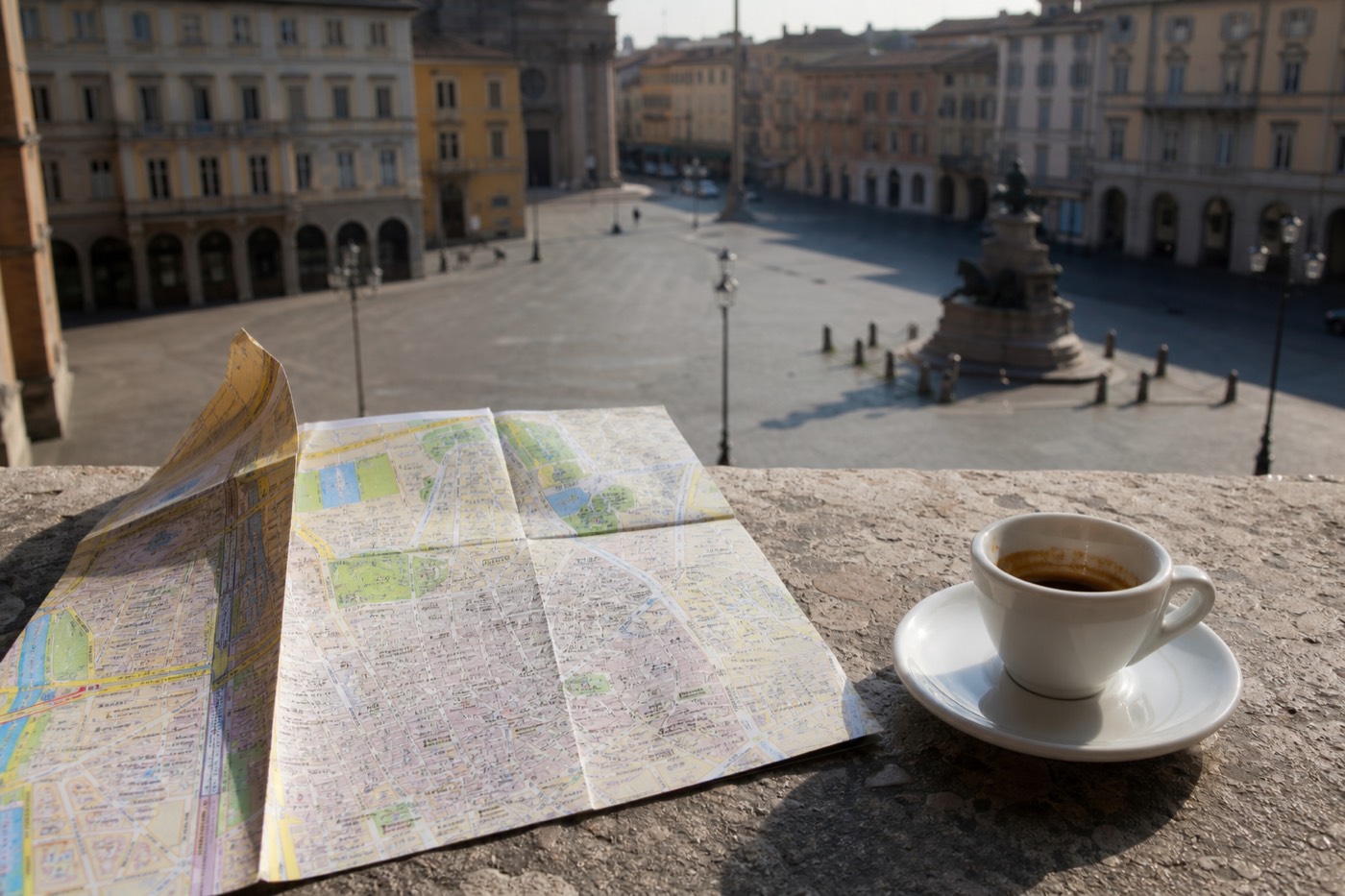
Parma rewards a loosely structured day more than a rigid checklist. The historic center is small enough to cross on foot in twenty minutes, which means the real planning question is not "can I see it all" but "what order makes the food tastings, the sights, and the walking flow naturally." Here is a realistic hour-by-hour plan built around that logic, an alternate version for a food-first day or a rainy one, and the honest trade-offs of trying to compress a city into a single day.
At A Glance: Anchor your day around the actual 3½-hour walking-tour departure. Explore Parma Artisan Food Walk
What Does A Realistic Hour-By-Hour Day In Parma Look Like?
A well-paced day starts at Piazza Garibaldi and the Cathedral in the morning, moves to a booked food tour or the Ghiaia market at midday, covers Palazzo della Pilotta and Teatro Regio in the afternoon, and ends with dinner in the historic center, all of it walkable without needing a taxi or bus.
This is the default version of the day, the one that works for most first-time visitors regardless of what time they land. Two variants further down this guide adjust the order for a food-first start or a rainy forecast, but the backbone, morning sights, midday tour, afternoon culture, evening dinner, holds across all three.
- 9:00 AM, Piazza Garibaldi. Start here. It is the city's central square and the most common meeting point for tours later in the day, so getting oriented here first makes the rest of the day easier to navigate.
- 9:30 AM, Parma Cathedral and the Baptistery. The Duomo rates 4.7 stars across roughly 13,000 reviews and the Baptistery rates 4.5 across around 1,100; both are a short walk from Piazza Garibaldi and worth 45 minutes to an hour combined.
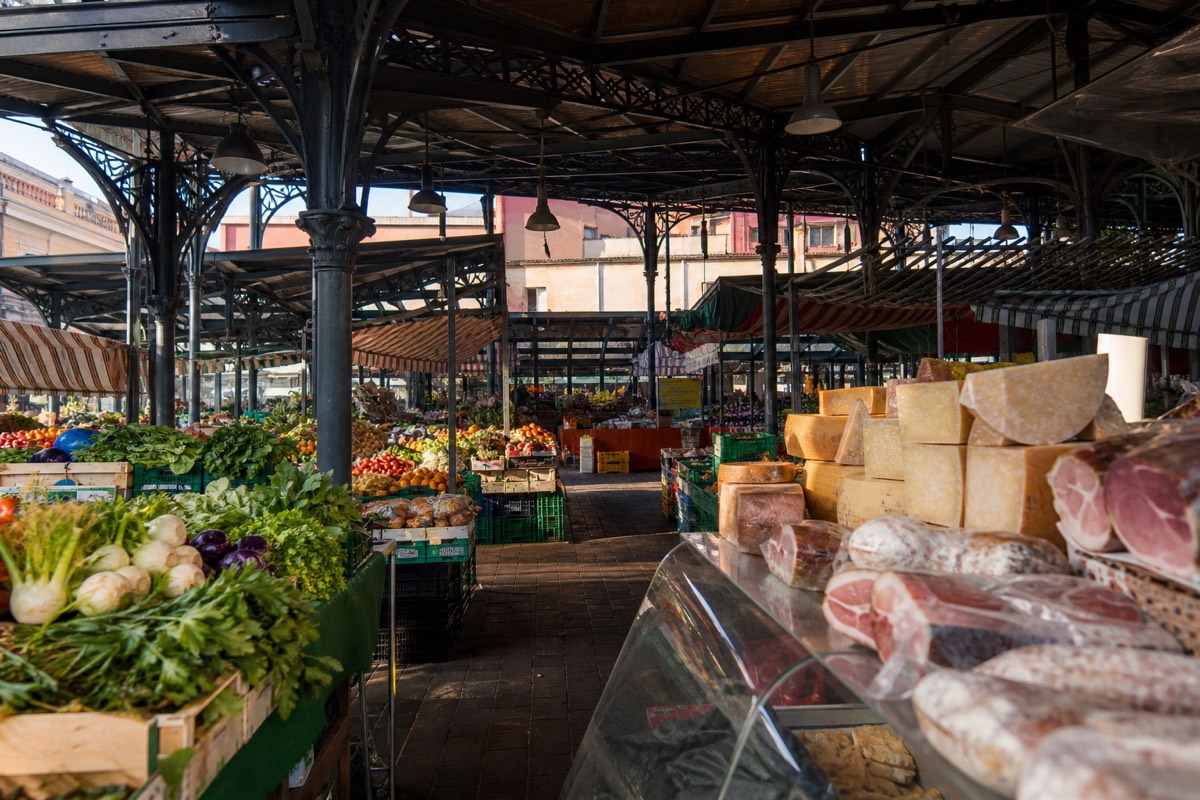
- 11:00 AM, Piazza Ghiaia market. Parma's main market square is a few minutes further on foot. Even a short pass through gives a sense of the produce and cured meats you will taste properly later, and it is a good stop if your food tour does not start until midday.
- 12:30 PM, a booked food tour (2-3 hours). This is the anchor of the day. A two-hour Parmigiano cheese factory visit or a three-hour walking and tasting tour both fit comfortably into an early afternoon slot and typically end with a sit-down tasting.
- 3:30 PM, Palazzo della Pilotta and the Farnese Theater. Palazzo della Pilotta rates 4.6 stars across roughly 8,100 reviews, and the Farnese Theater inside it rates 4.9, the highest-rated sight in Parma. Give this an hour if you can.
- 5:00 PM, Teatro Regio. Even without an evening performance, the exterior and surrounding piazza are worth a stop; the opera house rates 4.7 stars across around 5,000 reviews and sits close enough to the historic center to fold in on the walk back.
- 8:00 PM, dinner in the historic center. Parma's dinner hour runs later than many visitors expect, closer to Italian norms than tourist-city schedules. Book ahead if you have a specific restaurant in mind.
Where Should The Day Actually Start, And How Should You Get There?
Piazza Garibaldi is the natural starting point because it is central, it is where most tours meet later in the day, and the Cathedral and Baptistery are a short walk from it, letting you cover the biggest independently-rated sights before the city gets busy.
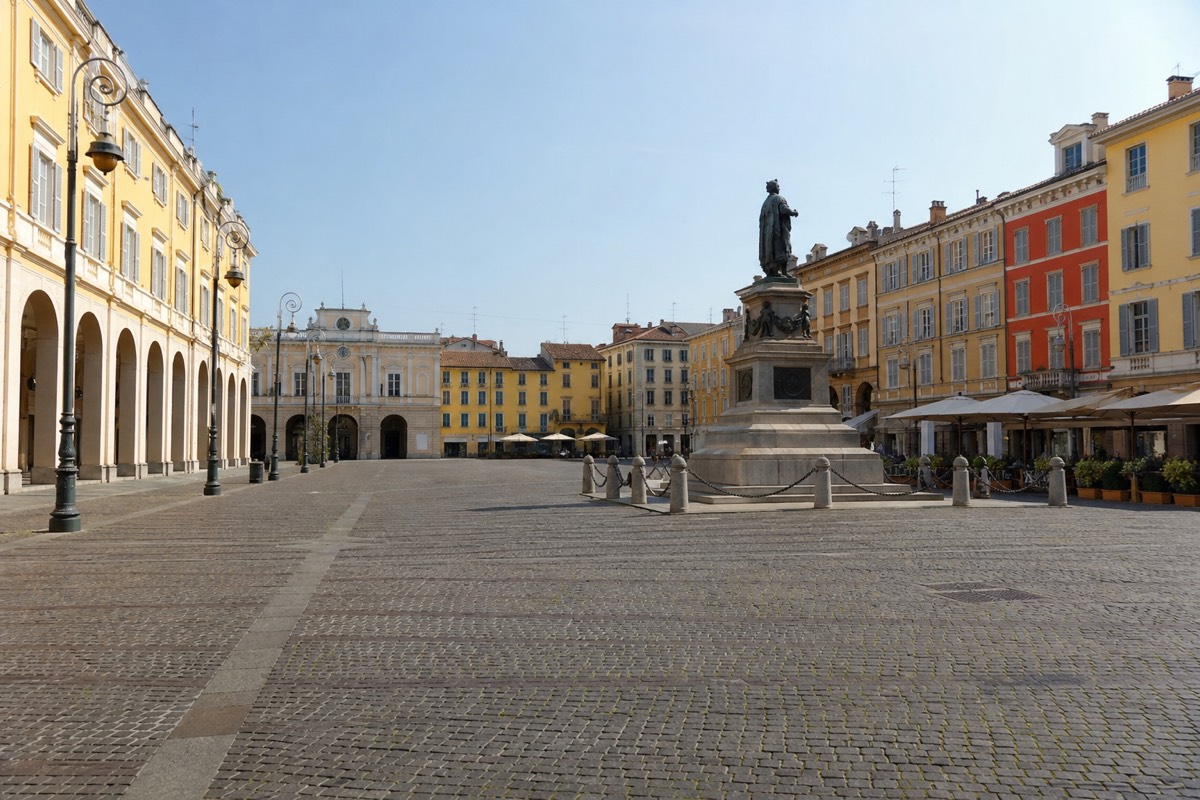
Meeting points across Parma cluster around three spots: Piazza Garibaldi, the Cathedral and Baptistery area, and in front of Teatro Regio, all within a few minutes of each other. Starting at Piazza Garibaldi means you are already positioned near whichever of those three your afternoon tour uses. For a broader list of what else fills the historic core, see our guide to things to do in Parma.
If you are arriving that morning rather than already staying in Parma, the walk from the train station adds very little to the schedule above. Parma's station sits about a five-minute walk from the historic center, so even a mid-morning arrival by train from Bologna or Milan still gets you to Piazza Garibaldi in time for a 9:30 or 10:00 AM start. Coming from further away, budget more of the morning for transit itself; Venice and Rome both typically run three to four hours with a change, which makes this itinerary a genuinely full-day undertaking rather than a relaxed add-on to a travel day.
Should Midday Be A Food Tour Or The Market?
A booked food tour is the better use of midday, since Parma's cheese and ham producers operate on managed schedules and require advance booking, meaning independent exploration cannot get you the behind-the-scenes access a guided tour can.
Parma Cheese Factory Visit takes about 2.5 hours; Private Parma Tasting Walk takes about three hours across five city tasting stops. Check departure times first: neither should be assumed to run at the hour shown in a sample sightseeing plan. Related reading: what to eat in Parma, Parmigiano Reggiano factory tours guide.
The market-only alternative is worth being honest about too. A self-guided pass through Piazza Ghiaia is free and gives you a real look at the produce, cheese counters and cured meats on display, but it will not get you into an aging room or a curing cellar, and stallholders are running a market, not a guided tasting session. Most travelers who try the market-only route end up wishing they had booked something, since the actual factories and dairies around Parma operate on production schedules that a same-day walk-in simply cannot access.
What Should Fill The Afternoon?
Palazzo della Pilotta and Teatro Regio are the natural afternoon anchors, both independently rated above 4.6 stars and both within easy walking distance of the historic center's other main sights.
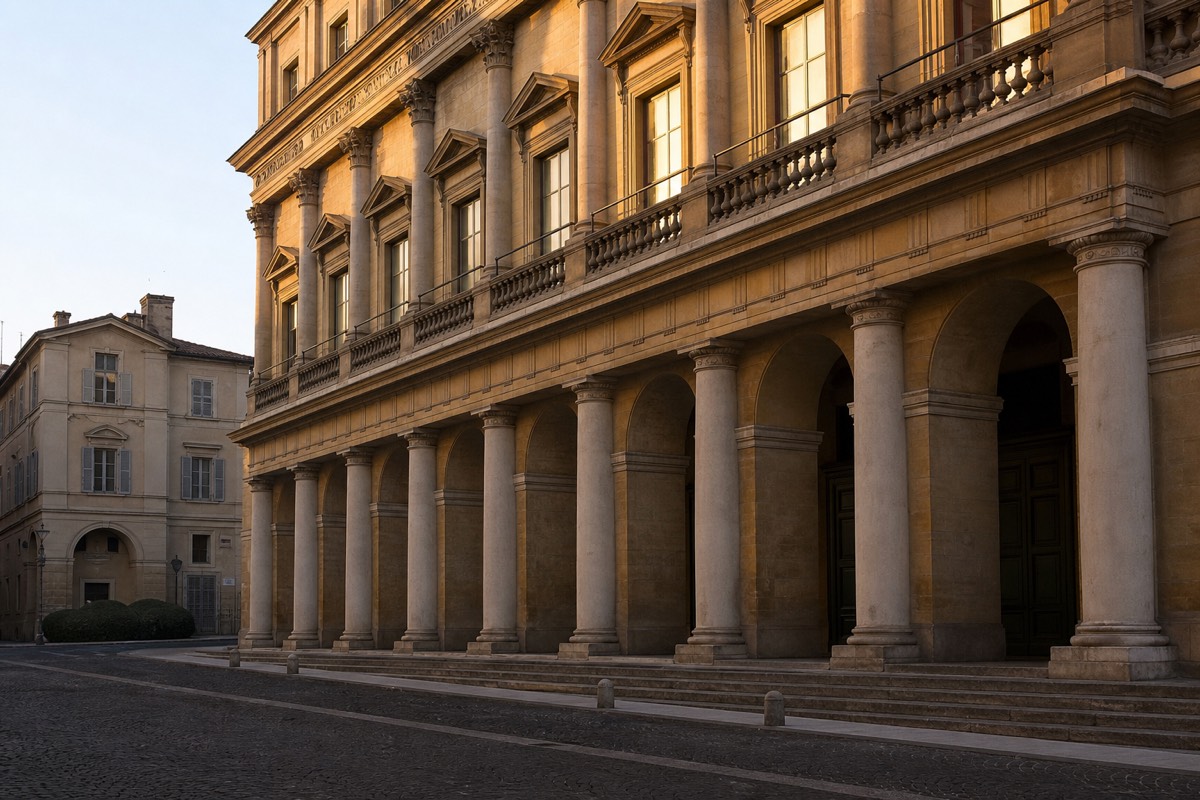
Palazzo della Pilotta houses the Farnese Theater, the highest-rated sight in the city at 4.9 stars, along with a National Gallery. Give it a real hour rather than a rushed pass-through if art and architecture interest you. Teatro Regio, a working opera house rated 4.7 stars across around 5,000 reviews, is worth a stop even without a ticket to a performance, if only to see the building that anchors so much of Parma's cultural identity.
| Time block | Approx. duration | What it covers |
|---|---|---|
| Morning | 2-2.5 hours | Piazza Garibaldi, Cathedral, Baptistery, Ghiaia market |
| Midday | 2-3 hours | Booked food tour or extended market and deli visits |
| Afternoon | 1.5-2 hours | Palazzo della Pilotta, Farnese Theater, Teatro Regio |
| Evening | 1.5-2 hours | Dinner in the historic center |
The food tours here do not include Pilotta or Teatro Regio admission.
What Is The Food-First Version Of This Itinerary?
Swap the order and front-load the food tour first thing in the morning instead of midday; it works especially well for early risers, travelers who want the freshest factory conditions, or anyone worried about a tour running long and squeezing the afternoon sights.
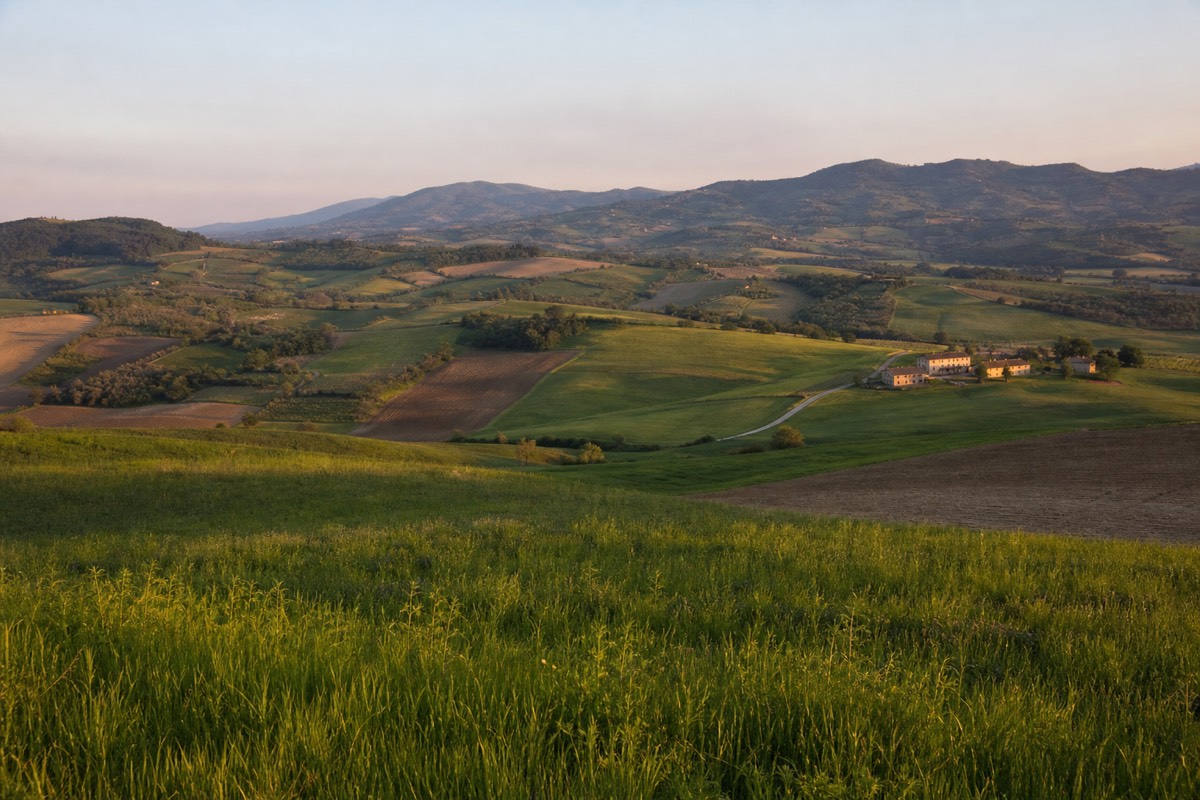
- 8:30 AM, meet your food tour. Several of the region's cheese and ham tours run morning departures specifically because production is most active early in the day; a factory visit booked for 8:30 AM puts you inside the aging rooms while the day's cheesemaking is still underway rather than winding down.
- 11:00 AM, back in the historic center. A two-hour tour returns you to central Parma with most of the day still ahead. Head straight to Piazza Garibaldi and the Cathedral while the morning light is still good for photos.
- 12:30 PM, lunch near the Ghiaia market. Rather than a full sit-down meal, this works well as a lighter lunch, since the tour itself usually ends with a substantial tasting.
- 2:00 PM, Palazzo della Pilotta and the Farnese Theater. With the anchor activity already done, there's no pressure on the clock here; take the full hour or more if the collection interests you.
- 4:00 PM, Teatro Regio and a slow walk back. This version leaves real time to wander streets you didn't cover in the morning rush, rather than treating the walk back as a transit leg.
- 7:30 PM, an earlier, longer dinner. Starting dinner half an hour earlier than the standard plan gives you room for a slower meal without a late night.
This version also changes what the light looks like in your photos. An 8:30 AM tour means the Farnese Theater and the aging rooms get photographed in the cool, even light of early morning, while the standard itinerary's afternoon Palazzo della Pilotta visit catches the warmer, more golden light Parma is known for in late-day shots.
The trade-off with this version is the early start. An 8:30 AM tour meeting time generally means being up and moving by 7:30 or 8:00, which is a real ask after a travel day. But for travelers who want to see a factory at its most active, or who simply prefer getting the anchor activity out of the way early, it is a genuinely different, and for some people better, way to structure the day. It also suits travelers staying overnight in Parma the night before, since there is no morning transit leg eating into the schedule the way there would be for a same-day arrival from Bologna or Milan.
What Is The Rainy-Day Version Of This Itinerary?
Lean harder on the indoor sights, Palazzo della Pilotta, the Farnese Theater, the Duomo and Baptistery interiors, and structure the food tour as the weather-proof center of the day, since tastings happen inside dairies, curing rooms and shops regardless of what is happening outside.
Parma sits in the Po Valley, and October and November in particular bring the highest chance of rain, alongside genuine fog most common from November through March, according to independent climate data at climatestotravel.com. A wet morning does not have to derail this itinerary, it just changes the order and the pace.
- 9:30 AM, Parma Cathedral and Baptistery. Both are fully indoor stops and among the best-rated sights in the city, a strong way to start a wet morning without losing any of the itinerary's core sightseeing.
- 11:00 AM, Palazzo della Pilotta and the Farnese Theater. Moving this indoor stop earlier, rather than the standard afternoon slot, uses the wettest part of the day productively and rated 4.6 and 4.9 stars respectively.
- 1:00 PM, a booked food tour. Cheese and ham tastings run indoors in dairies, curing rooms and shops, making this one of the few activities in the city genuinely unaffected by rain.
- 4:00 PM, a covered pass through Ghiaia market and the streets near Teatro Regio. Much of Parma's historic center has enough overhangs and arcaded stretches to keep a short walk reasonably dry; treat this as a flexible block you can shorten if the rain is heavy.
- 7:30 PM, dinner. Book somewhere with a view of the square if you can; watching rain over Piazza Garibaldi from inside a warm trattoria is its own kind of Parma evening.
A city food walk still involves outdoor walking between stops. Parma Artisan Food Walk covers about three kilometres; check the forecast and bring suitable clothing. For a longer producer itinerary, confirm transfer and lunch arrangements rather than assuming it is more exposed to rain than a walking tour.
What Should You Pack For A Full Day Of Walking And Tasting?
Comfortable, broken-in walking shoes matter more than anything else on this list, since the itinerary covers several kilometers on foot, plus a layer for temperature swings, a light rain option outside the driest summer months, and loose, comfortable clothing that leaves room for eight to twelve tastings across a food tour.
| Item | Why it matters |
|---|---|
| Broken-in walking shoes | The full loop covers several kilometers on cobblestones and factory floors; closed-toed shoes are often required on producer visits |
| A light layer or jacket | Mornings and evenings run cooler than midday even outside winter, and aging rooms and cellars are kept deliberately cool |
| A compact umbrella or rain shell | October and November are Parma's rainiest months, and fog is common November through March |
| Loose, comfortable clothing | Most food tours include eight to twelve substantial tastings; a full itinerary day means eating more than a normal lunch and dinner combined |
| A refillable water bottle | Useful year-round, and genuinely necessary if you're doing this itinerary during the hot, humid summer months |
None of this is exotic gear. The point is that this is an active day, not a museum-hopping stroll, and dressing for a few kilometers of walking plus a serious tasting session makes the difference between a comfortable day and a rushed, uncomfortable one.
Pack a phone charger, comfortable shoes and only the bags permitted on your chosen experience. Parma Cheese Factory Visit does not allow large bags or luggage, so arrange storage before meeting the group.
What Are Realistic Timing Buffers, And What Should You Cut If You're Running Behind?
Build in at least 30 minutes of slack around the food tour and 15-20 minutes between other stops, since Parma's sights and tastings run on their own schedules; if you fall behind, cut Parco Ducale or a second pass through the market before you cut the Cathedral, Palazzo della Pilotta, or the tour itself.
The single biggest risk to this itinerary's timing is arriving late to a booked food tour. Several operators run strict start times and will not wait for stragglers, so treat the walk from wherever you are to the meeting point as needing at least 15 minutes more than a map app suggests, especially through the historic center's narrow, pedestrian-heavy streets. Everything else on this itinerary has more give.
| If you're running behind | What to cut first |
|---|---|
| 15-20 minutes behind by midday | Shorten the Ghiaia market stop; a five-minute pass through still gives the flavor of it |
| 30-45 minutes behind by afternoon | Skip Parco Ducale or a full lap of the National Gallery inside Palazzo della Pilotta |
| An hour or more behind | Drop Teatro Regio to a quick exterior photo stop rather than lingering in the piazza |
| Never cut | The booked food tour start time, and the Cathedral and Baptistery if this is a one-day visit |
Where Should You Eat Dinner And Wrap Up The Day?
Stay inside or just outside the historic center, since the walk back from Teatro Regio or Palazzo della Pilotta already puts you close to Parma's best-known restaurant streets, and book ahead if you have somewhere specific in mind.
After a food tour earlier in the day, dinner does not need to be another marathon tasting; a lighter trattoria meal closes the day out well. For a curated list of where to eat, see our guide to the best restaurants in Parma.
Many smaller trattorie in Parma take a break between lunch and dinner service, and dinner itself typically starts around 7:30 or 8:00 PM rather than the earlier hours common in more tourist-oriented cities. If you arrive at a promising-looking place at 6:30 expecting it to be open for dinner, you may find the kitchen still closed. Building that later start into the plan, rather than treating 8:00 PM as optional, avoids ending a good day with an unnecessary hour of wandering trying to find somewhere open.
Does One Day Feel Rushed, Or Should You Stay Longer?
One day is genuinely enough to hit the highlights, but it does not leave room for a countryside producer visit or a slower pace, so two to three days is the honest answer if food is the main reason you are coming.
A seven- or eight-hour producer circuit leaves little time for a full city itinerary. Private Parma Producer Day is best treated as the day’s main activity; adding a second day gives you time for Parma’s sights without rushing. Related reading: is Parma worth visiting.
A second day also opens up the wider region rather than just Parma itself. Bologna and Modena both sit within striking distance by train, and travelers who have already covered this one-day itinerary sometimes use a second or third day to fold in one or both; our Bologna, Modena, Parma food valley guide covers how that combined trip comes together in practice, including train times and a suggested day-by-day split.
What If You Are Only Coming From Bologna Or Milan For The Day?
It is realistic: Bologna to Parma is about 55 minutes by direct train from roughly €9-26, and Milan to Parma is about 71 minutes from roughly €11-14, both fast enough to arrive by mid-morning and still get a full day out of this itinerary.
The Parma train station sits about a five-minute walk from the historic center, so there is very little dead time between arriving and starting the day at Piazza Garibaldi. For the full transport picture from every major starting city, see how to get to Parma from Milan, Florence or Bologna, and if you are weighing Parma against a longer stay in Bologna instead, our Parma vs Bologna comparison lays out the honest trade-offs. Season matters too; check our best time to visit Parma guide before locking in a date, since heat and fog both shape how comfortable a full day of walking will feel.
Both Trenitalia and Italo run the Milan-Bologna corridor that Parma sits on, so it is worth comparing timetables on Trenitalia before booking, especially if you want a specific arrival time to line up with a tour's morning meeting point. Booking the outbound leg for an early morning departure, ideally landing in Parma by 8:30 or 9:00 AM, gives this itinerary its best chance of running on schedule from the first stop to the last.