How To Get To Parma From Milan, Florence, Bologna And Venice
Parma sits on the well-served Milan-Bologna train line, which makes it one of the easier food capitals in Italy to reach without a car. Here is what the trip actually looks like from each direction, with real train times and fares.
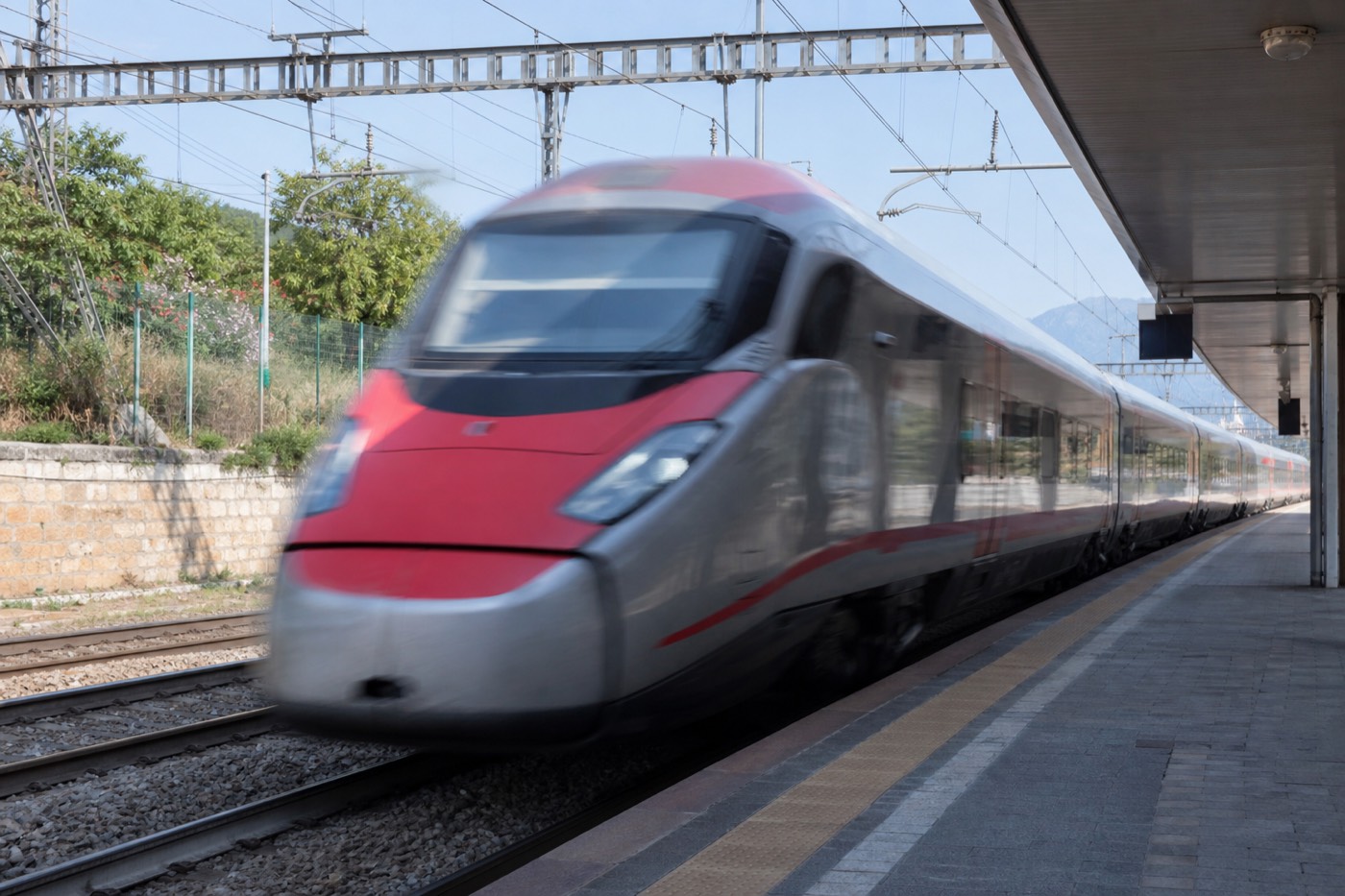
Parma doesn't have its own high-speed hub the way Milan or Florence does, but it doesn't need one. The city sits directly on the main Milan-Bologna line, which means most visitors reach it by train in well under two hours from three of Italy's biggest tourist cities, and considerably longer but still manageable from a fourth. This guide breaks down the real numbers, not rounded guesses, for getting to Parma from Milan, Florence, Bologna, Venice and Rome, plus what to expect once you actually step off the train.
At A Glance: Choose a Food Valley pickup option from your base. Explore Private Food Valley Day
The short version, if you're skimming: Bologna and Milan are both close enough for an easy day trip, Florence takes a bit more planning because of the change at Bologna, and Venice or Rome are better treated as an overnight stop than a there-and-back afternoon. Every number below comes from real 2026 route research rather than a rounded guess, and where a figure wasn't independently confirmed, we say so directly instead of inventing a precise-sounding fare.
Train time to Parma, by city
Approximate one-way train times to Parma, based on 2026 route research; exact minutes vary by specific train and season, and the Florence figure is a rough estimate pending a change at Bologna.
How Do You Get To Parma From Milan, Florence, Bologna And Venice?
Train is the standard way to reach Parma from all four cities: about 71 minutes from Milan, about 55 minutes from Bologna, around 2 hours from Florence with a change at Bologna, and roughly 3 hours 13 minutes to 3 hours 51 minutes from Venice depending on connections. Parma has no meaningful direct flight infrastructure of its own, and driving means dealing with Italian city-center traffic restrictions once you arrive, so the train is genuinely the easiest option from every one of these cities, not just the cheapest.
Should You Drive To Parma Instead Of Taking The Train?
A train works well for a city visit; a car can be useful for several countryside stops. Check parking and restricted-zone access for your accommodation before driving into the center. Private Parma Producer Day offers both arranged transport and self-drive options, so a rental car is not automatically necessary for the producer day.
What Are The Real Train Times And Fares To Parma?
Bologna to Parma is the shortest and cheapest leg at roughly 55 minutes for €9 to €26 (from about €13), while Milan to Parma runs about 71 minutes from around €11 to €14 second class. The table below lays out every route covered in this guide side by side. Where a fare range wasn't independently verified, we've said so rather than inventing a number, since exact pricing shifts by train type, how far ahead you book, and whether you catch a Frecce, an Intercity or a regional service.
| From | Train time | Approx. fare (2nd class) | Change required |
|---|---|---|---|
| Bologna Centrale | ~55 min | €9-26 (from ~€13) | No, direct |
| Milan Centrale | ~71 min | ~€11-14 | No, direct |
| Florence S.M.N. | ~2 hours | Check Trenitalia/Italo for current fares | Yes, at Bologna |
| Venice Santa Lucia | ~3h13-3h51 | Varies by route | Yes, usually via Bologna |
| Rome Termini | ~3h8-3h50 | Varies by route | Yes, usually via Bologna or Milan |
The chart below shows the same data as a quick visual comparison, useful if you're deciding which city to base yourself in before a Parma day trip.
How Long Does The Train Take From Milan To Parma?
Milan Centrale to Parma runs about 71 minutes on a fast train, with second-class fares starting around €11 to €14 one-way. This is a direct connection on the Milan-Bologna line, no change required, and frequent enough during the day that you can realistically treat Parma as a day trip from Milan without building your whole schedule around one train time. Trains run via Trenitalia's Frecce services or the regional/Intercity mix depending on how fast you want to go and how much you want to pay.
Milan Centrale itself is worth budgeting extra time for if it's your first stop in Italy, since it's a large, multi-level station with security checks on some platforms and a genuine walk between certain tracks. Arriving 20 to 30 minutes before departure is a reasonable buffer, especially with luggage, even though the ride itself is barely over an hour once you're on board.
How Long Does The Train Take From Bologna To Parma?
Bologna Centrale to Parma is the fastest and cheapest leg in this guide: about 55 minutes, direct, for €9 to €26 depending on train type, with fares from around €13. This is also the connection most Florence and Venice travelers end up using as their change-over point, since Bologna sits at the rail crossroads for the whole region. If you're weighing whether to base a trip in Bologna or Parma itself, our Parma versus Bologna comparison and our post on how many days to spend in Bologna before Parma both address that directly.
Because Bologna Centrale sits at the crossroads of the whole regional rail network, it's also worth knowing your way around if you're changing trains there rather than starting there. It's a big station with two levels, an underground high-speed platform section and a separate upper level for regional trains, so double-check which level your connecting service leaves from rather than assuming both halves of your trip depart from the same concourse.
How Do You Get From Florence To Parma?
Florence to Parma normally requires a change at Bologna and takes around 2 hours total; we don't have an independently verified exact minute or fare figure for this specific route, so check Trenitalia or Italo directly for current schedules and pricing rather than trusting a guessed number. This is the one leg in this guide where we're being deliberately vague on the fine print rather than inventing a fare that sounds precise but isn't grounded in a verified source. What we can say with confidence: it's a same-day trip either direction, and the change at Bologna is short enough that it rarely adds more than 15 to 30 minutes of actual waiting.
Who should skip Florence to Parma as a single-day round trip: if your Florence stay is already packed, a same-day round trip to Parma eats close to 4 hours in transit alone, which leaves a thin window for anything beyond a quick market walk and a short tasting. Travelers with more flexibility tend to get more out of treating Parma as a one-night stop between Florence and Milan or Venice, rather than a there-and-back day trip squeezed around a single Florence itinerary.
How Do You Get From Venice To Parma?
Venice is a longer approach that normally requires a connection. Check the exact journey for your date and leave a buffer before the meeting time. For an early producer departure such as Private Parma Producer Day, arriving in Parma the previous evening may be more practical than assuming a same-morning connection will fit. Related reading: Bologna, Modena and Parma food valley guide.
How Do You Get From Rome To Parma?
Rome Termini to Parma runs about 3 hours 8 minutes to 3 hours 50 minutes, usually changing at Bologna or Milan depending on which train you book. This isn't the fastest day-trip pairing on this list, but it's a comfortable half-day journey each way if Parma is one stop on a longer north-south Italy route rather than a base you're returning to nightly.
Travelers coming from Rome are usually mid-trip rather than day-tripping, working Parma into a broader north-south route through Florence and Bologna anyway. If that's your situation, it's worth checking whether your specific train connects through Bologna or Milan, since the two routings can differ meaningfully in scenery and in which other cities you could plausibly break the journey in along the way. Breaking the Rome-Parma trip with a night in Florence or Bologna is usually a better use of the travel day than trying to do it in one long push.
What Train Operators Run To Parma, And How Do You Book?
Trenitalia and Italo both serve the Milan-Bologna corridor that Parma sits on, and both can be booked directly online in advance. Trenitalia runs the widest network, including the high-speed Frecce services, plus slower and cheaper Intercity and Regionale trains on the same routes. Italo is a private high-speed operator covering the same major-city corridor with its own pricing and schedule, worth comparing against Trenitalia for the Milan and Bologna legs especially, since competition between the two sometimes means better fares than a single-operator route would offer.
| Operator | Train types | Best for |
|---|---|---|
| Trenitalia | Frecce (high-speed), Intercity, Regionale | Widest network, including every route in this guide |
| Italo | High-speed only | Comparing fares on the Milan and Bologna legs specifically |
- Check both Trenitalia and Italo for your specific date, since prices and schedules differ by operator and neither always wins.
- Book earlier for Frecce or Italo high-speed fares if you want the lowest price; regional trains are cheaper but slower and less likely to sell out.
- Confirm which Parma station platform and which Bologna platform you need if your route requires a change, since Bologna Centrale is a large station with a real walk between some platforms.
- Save your ticket to your phone or print it, and validate paper tickets on regional trains where required before boarding.
What Happens Once You Arrive At Parma Station?
Parma's train station sits about a five-minute walk from the historic center and Piazza Garibaldi, so there's no need for a taxi or bus transfer for most hotels or the main sights. This is one of the underrated advantages of Parma as a rail destination: unlike cities where the station sits well outside the tourist center, Parma's is close enough that you can walk straight from the platform to the cathedral, the Pilotta or your first tasting stop without adding a transfer to your travel time.
Meeting points differ by tour. Parma Artisan Food Walk starts at Piazza Duomo and returns there; it is not a station pickup. Confirm luggage arrangements separately before taking bags straight from the train to the tour. Related reading: food tours.
Should You Fly Instead?
Probably not directly: Parma's own airport (PMF) is small, so most travelers fly into Bologna (BLQ) or Milan and take the train from there rather than searching for a direct flight to Parma itself. Unless you already have a reason to route through the small local airport, treating Bologna or Milan as your air gateway and the train as the last leg is simpler and usually cheaper than trying to fly directly.
This actually works in your favor logistically: both Bologna Centrale and Milan Centrale are well connected to their respective airports by train or dedicated shuttle, so the full journey from an international flight to central Parma typically involves one airport transfer plus one of the direct train legs already covered above, rather than a series of smaller regional hops.
Is Parma Worth Doing As A Day Trip From Bologna Or Milan?
Yes from both, though Bologna makes for an easier day trip given the shorter ride: about 55 minutes each way from Bologna versus about 71 minutes from Milan, both well within a comfortable round-trip day. A day trip works especially well if you're booking a tour that starts near the station or Piazza Garibaldi, since you can arrive, walk straight to the meeting point, and head back without needing a hotel in Parma at all. The table below matches travel time against a few real tour lengths, useful for figuring out whether a day trip actually gives you enough time.
Compare the actual train arrival with the tour meeting time, including the walk or transfer between them. The Private Parma Producer Day itinerary itself takes eight hours, so add both train journeys and a return buffer before deciding whether it fits as a day trip.
One detail that trips people up: return trains thin out in the late evening on regional and Intercity services, even though the corridor overall runs frequently during the day. If your tour or dinner plan runs later than expected, check the last realistic departure back to your base city before you commit to it, rather than assuming a train will be waiting whenever you're ready to leave. This matters more on a day trip from Milan than from Bologna, simply because the Milan leg is longer and a missed connection costs you more of the evening. A quick check of the return schedule before you leave in the morning avoids the whole problem.
| Coming from | One-way train time | Fits comfortably with |
|---|---|---|
| Bologna | ~55 min | Any tour up to a full day, including the 7-8 hour countryside options |
| Milan | ~71 min | Half-day tours (2-4 hours) comfortably; full-day tours if you start early |
| Florence | ~2 hours (change at Bologna) | Half-day tours; a full-day tour makes for a long single day |
| Venice or Rome | ~3h to 3h51 | Better as an overnight stay than a same-day round trip |
For a rail-based visit, choose the departure time before buying connecting tickets. Parma Cheese Factory Visit offers a shorter 2.5-hour experience with a meeting point by NH Parma, north of the station. Private Food Valley Day has pickup choices in Milan and Bologna if you prefer arranged road transport.
What's The Best Way To Combine Parma With Florence, Bologna And Venice In One Trip?
Because Parma sits directly on the Bologna line, it slots naturally into a north Italy rail loop: Milan or Venice at one end, Bologna as the connecting hub, Florence a short hop further south, and Parma as a one or two-night detour off that same spine. Travelers doing a loop like this often ask whether Parma or a bigger stop deserves more of the itinerary; our post on the best city in Italy for a food tour weighs Parma against the more famous food-tourism cities directly. For the sightseeing side of a Parma stop once you've arrived, pair this guide with our list of things to do in Parma and our guide to what to eat in Parma, or browse Food Tours Parma to book something for the day you land.
A sensible order for a four-stop loop, if you're building one from scratch, is to treat Bologna as the hinge point rather than an afterthought: fly into Milan or Venice, ride down to Bologna, day-trip or overnight to Parma from there, then continue on to Florence before flying home or heading further south. Because every leg of that loop runs on the same rail corridor, you're rarely more than an hour or two from a connecting train even if plans shift midway through the trip, which is more forgiving than a route built around cities that don't share a direct line.
None of this requires booking every train weeks in advance. Regional and Intercity fares on the Milan-Bologna corridor stay relatively stable close to departure, so the real planning priority is deciding your city sequence and roughly how many nights each stop deserves, then booking the specific high-speed legs (Milan to Bologna, or Florence to Bologna) a little ahead if you want the lower advance fares. The short Bologna to Parma hop rarely needs advance booking at all, given how frequently it runs through the day. If you're mixing train travel with a booked tour, it's worth locking in the tour first and then buying train tickets around it, since operators generally have less flexibility to shift a scheduled group departure than Trenitalia or Italo have to sell you a different train time.
Before you book anything, check current live fares directly with Trenitalia or Italo rather than relying on the ranges quoted in this guide, since pricing shifts by season and by how far ahead you book. For general trip planning beyond the train itself, Italy's official tourism board page for Parma is worth a bookmark too.