Parma Vs Bologna: Which Should You Visit?
Parma and Bologna sit 55 minutes apart by train, yet they get compared as if you have to pick one. Here is a real side-by-side, cost, weather and nightlife included, plus the honest case for doing both.
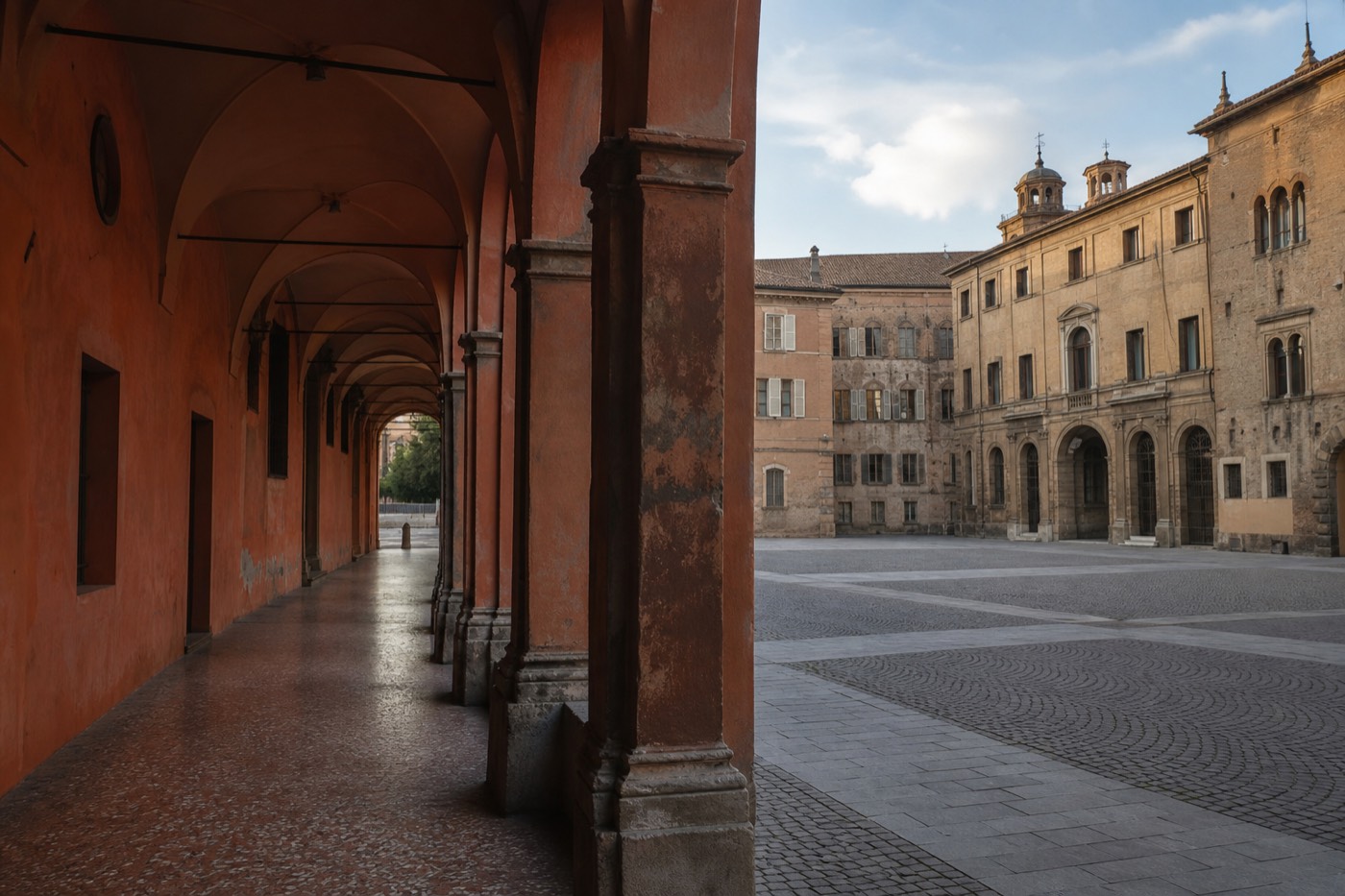
"Which is better to visit, Bologna or Parma?" is one of the most common comparison questions travelers ask about this corner of Italy, common enough that it now triggers AI-generated summary answers on Google itself. That is worth answering properly instead of picking a side and cherry-picking the evidence. Bologna is bigger, busier, and better connected. Parma is smaller, quieter, and arguably more food-focused. Neither is objectively better, so here is what actually differs, in a straight comparison covering sights, nightlife, cost, weather and trains, plus honest guidance on which one fits your specific trip.
At A Glance: Taste Bologna markets before deciding how to split the cities. Explore Bologna Market And Pasta Walk
How Do Parma And Bologna Actually Compare, Side By Side?
Bologna is a larger, livelier city with more famous monuments and stronger rail connections, while Parma is smaller and quieter, built more tightly around its food heritage. They sit 55 minutes apart by direct train, which is the detail most head-to-head comparisons leave out.
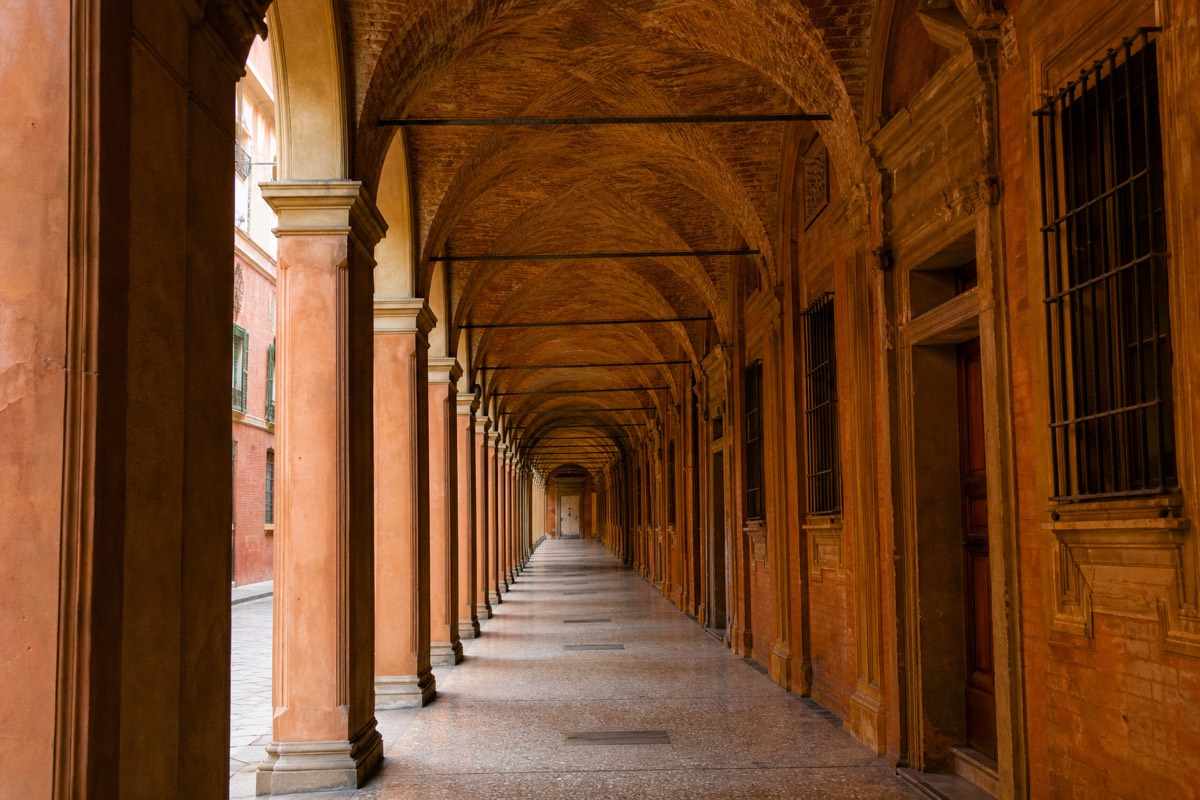
Before the category-by-category breakdown, the short version: Bologna wins on scale, sights per square kilometer and onward connections. Parma wins on food-production access, pace and quiet. Cost and weather are close to a wash between them, since both sit in the same region and share the same climate. The table below puts the main categories side by side before the rest of this guide goes deeper on each one.
| Category | Parma | Bologna |
|---|---|---|
| Size and atmosphere | Mid-sized, compact, quieter historic center | Larger, busier university city |
| Famous food | Parmigiano Reggiano, Prosciutto di Parma, Culatello di Zibello | Tortellini, mortadella, ragu alla Bolognese |
| Main sights | Duomo (4.7★), Teatro Regio (4.7★), Palazzo della Pilotta (4.6★) | Piazza Maggiore, the Two Towers, the UNESCO-listed porticoes |
| Typical visit length | Comfortable in a single day, richer with two | Comfortable in a single day, richer with two to three |
| Train connection | 55 minutes direct from Bologna, from around €13 | 55 minutes direct from Parma, from around €13 |
What a table like that cannot capture is texture. Parma feels like a city built around a handful of specific, repeatable rituals, a walk past the Duomo, a stop at a salumeria, a sit-down tasting, that reward slowing down. Bologna feels like a city built for movement, more streets to cover, more restaurants competing for attention, more reasons to keep walking after dark. Both are real Italian cities with real histories rather than theme-park versions of themselves, and the size difference between them shows up in almost every category above, not just the ones with hard numbers attached.
What Is Parma Actually Like To Visit?
Parma is a compact, walkable city built around its historic center, where a working opera house, a Romanesque cathedral, and genuine Parmigiano Reggiano and Prosciutto di Parma production all sit within a short walk or drive of each other.
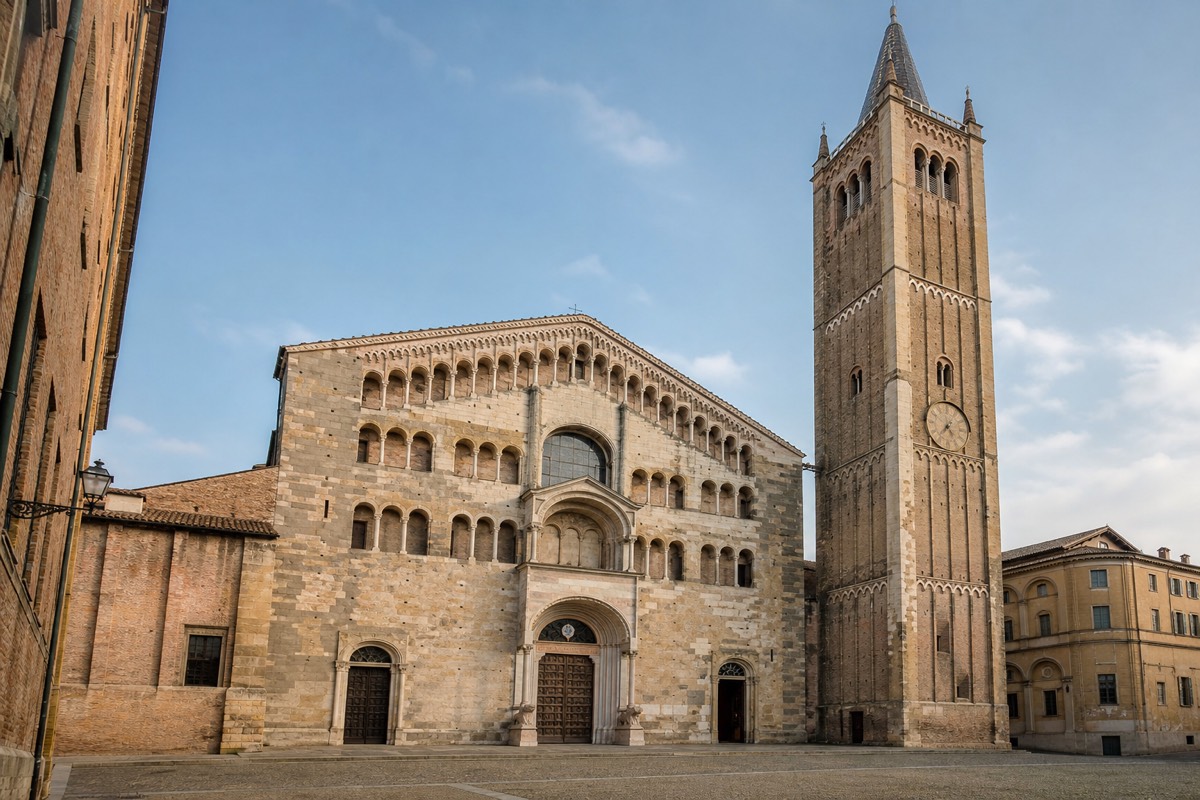
Independent Google ratings back up the quieter reputation: Parma Cathedral rates 4.7 stars across roughly 13,000 reviews, Teatro Regio rates 4.7 across around 5,000, and the Farnese Theater inside Palazzo della Pilotta rates 4.9, the highest independently-rated sight in the city. Tour meeting points cluster around Piazza Garibaldi, the Duomo and Baptistery area, and in front of Teatro Regio, all close enough to cover on foot. For a fuller look at what fills a day here, see our guide to things to do in Parma and our honest take on whether Parma is worth visiting at all if you are still deciding.
The format matters as much as the city. Parma Artisan Food Walk is a 3.5-hour artisan route for up to eight guests, combining food tastings with pasta and pastry workshops. It is distinct from a countryside dairy or ham-factory circuit.
What Is Bologna Actually Like To Visit?
Bologna is a larger, livelier university city known for its long covered porticoes, Piazza Maggiore, and a food identity built around prepared dishes like tortellini and ragu, rather than the protected-origin ingredients Parma is known for.
Bologna's porticoes, over 60 kilometers of them threading through the city, are significant enough to carry UNESCO World Heritage status, listed by UNESCO at whc.unesco.org. That alone tells you something about the difference in scale: Bologna offers more sightseeing density and a bigger-city energy, with more restaurants, more nightlife, and a livelier student population than Parma's quieter streets.
The Quadrilatero, Bologna's historic market district, is the closest thing the city has to Parma's producer-focused food culture, a dense grid of stalls, delis and small kitchens rather than a single covered market hall. It's a genuinely good place to eat and browse, but it functions more like a market crawl than a behind-the-scenes production tour, which is the core distinction between how the two cities approach food tourism.
What Is The Nightlife And Evening Atmosphere Like In Each City?
Bologna is the livelier of the two after dark, with a large student population, more bars, and a busier late-evening scene, while Parma's historic center quiets down earlier and rewards a long dinner over a night out.
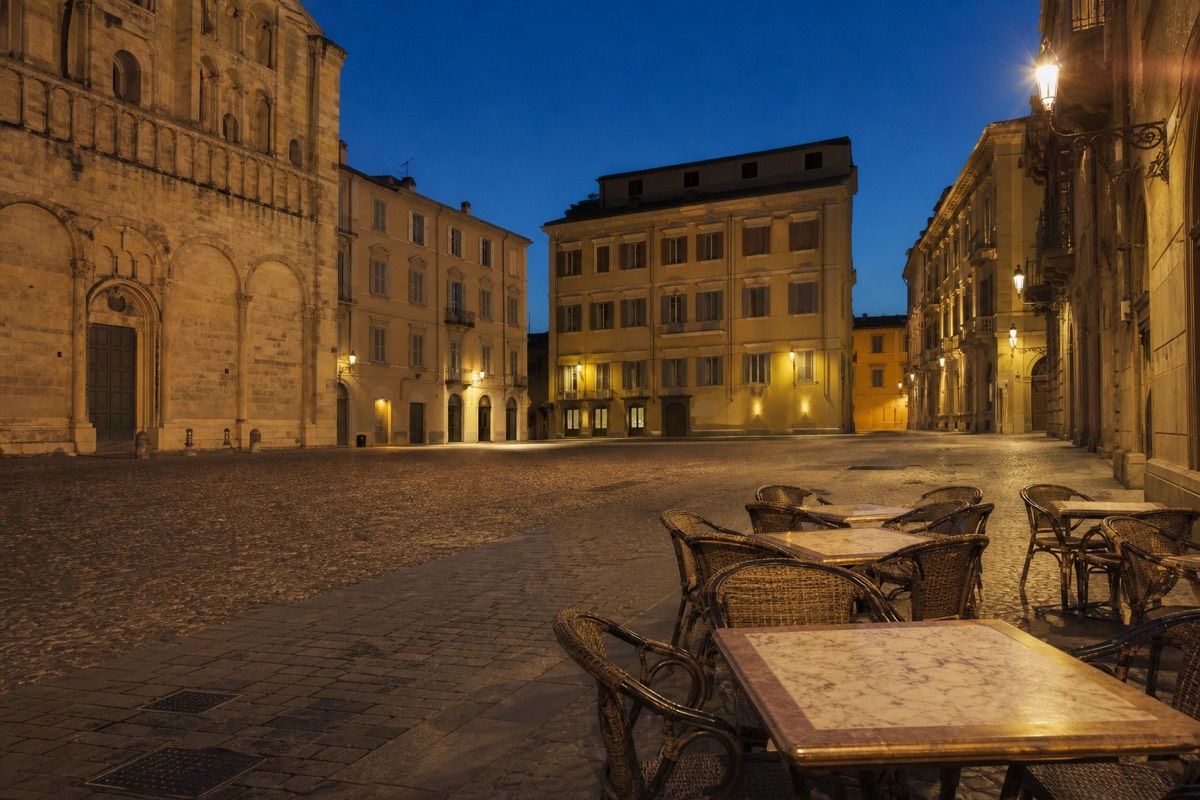
As one of Italy's major university cities, Bologna keeps a genuinely late crowd on its streets, especially in the neighborhoods around the university district, where bars and gathering spots stay busy well past when a smaller city would have gone quiet. That energy carries into the food scene too: late-night osterias and student-priced trattorie are easy to find, and the covered porticoes make walking between them comfortable even after dark or in bad weather.
Parma's evenings lean the other way, toward a long, unhurried dinner rather than a night out afterward. The historic center is well lit and considered genuinely safe for solo travelers, but options thin out once dinner service winds down, and there is no equivalent to Bologna's late-night district. For travelers who want that quieter version of an evening, our guide to the best restaurants in Parma is a better planning tool than trying to find a bar scene that is not really there. Neither approach is wrong: it depends on whether you want your evening to end with dessert and coffee or to keep going past midnight.
Neither pace is a compromise if it matches what you actually want. Travelers who plan a Parma evening around a good trattoria, rather than a bar crawl that doesn't really exist there, tend to come away satisfied. Travelers who arrive in Parma expecting Bologna's energy after dark are usually the ones who report disappointment, which is really a mismatch of expectations rather than a real flaw in either city.
What Does A Typical Day Cost In Each City?
Bologna, being the larger and more heavily visited of the two, generally runs a little more expensive for a comparable day of eating and sightseeing, while Parma's smaller scale and lighter tourist volume tend to keep costs a bit lower, though there is no verified city-by-city price comparison to cite an exact figure against.
Both cities sit in the same region and broadly the same cost-of-living bracket, so the gap between them is less about a different economic tier and more about tourist demand. Bologna draws heavier visitor traffic as the region's transport hub, and that pressure tends to show up in restaurant prices near the main sights and in accommodation during peak season. Parma, with a smaller, more food-focused visitor base, generally avoids that same crowding effect.
Budget using prices for your actual date, group size and selected option. Parma Artisan Food Walk is a small-group city experience, while Private Parma Producer Day is a private producer day with transport choices. Compare included food and transfers before comparing totals; older headline prices are not a reliable quote.
Transport costs are easier to compare directly, since both cities sit on the same rail line. Moving between them costs roughly €9-26 depending on train type and how far ahead you book, a small enough figure that it rarely changes the calculus of which city to prioritize. The bigger cost variable in practice is accommodation timing: Bologna's hotel prices swing more with conference and university-term demand than Parma's do, simply because it is a bigger, more heavily booked city year-round.
How Does Each City Handle Rain Or Bad Weather?
Bologna has a built-in advantage: over 60 kilometers of UNESCO-listed covered porticoes let you cross much of the city without stepping into the rain, while Parma's answer is a strong set of indoor sights, Palazzo della Pilotta, the Farnese Theater, and the Duomo among them, clustered close enough together to make an indoor day work almost as well.
| City | Indoor or covered options for a rainy day |
|---|---|
| Bologna | Over 60km of UNESCO-listed covered porticoes connecting most of the historic center, plus indoor markets in the Quadrilatero district |
| Parma | Palazzo della Pilotta (4.6★) and the Farnese Theater inside it (4.9★), Parma Cathedral (4.7★), the Baptistery (4.5★), and factory or tasting tours that run mostly indoors regardless of weather |
Neither city loses much to a rainy day if you plan around it. Bologna's porticoes are functional as well as beautiful: you can genuinely walk between the university quarter, Piazza Maggiore and the market district and barely get wet. Parma's food tours lean the same way. Cheese and ham tastings happen inside dairies, curing rooms and shops rather than outdoors, so a rain day there often means adjusting the sightseeing order rather than canceling anything. The one Parma activity that depends more on clear weather is a countryside producer tour with an outdoor lunch stop; check the specific tour's format if rain is in the forecast, and remember that both cities share the same Po Valley climate, so a wet morning in one is usually a wet morning in the other too.
How Do The Train Stations And Onward Connections Compare?
Bologna Centrale sits on Italy's main north-south high-speed line and functions as the region's transport hub, with direct fast trains to Milan, Florence, Venice and Rome, while Parma is more of a spur off that line, meaning several onward destinations from Parma require a change, often at Bologna itself.
| From | To Parma | To Bologna |
|---|---|---|
| Milan Centrale | ~71 min, from ~€11-14 | Direct fast train, well-connected on the same line |
| Florence S.M.N. | ~2 hours, normally requires a change at Bologna | Direct fast train, no change needed |
| Venice Santa Lucia | ~3h13m-3h51m, with changes | Direct fast train, shorter overall journey |
| Rome Termini | ~3h8m-3h50m, usually via Bologna or Milan | Direct fast train, a core stop on the main line |
That difference matters more than it looks on a map. Parma's own station is a genuine convenience once you are there, about a five-minute walk from the historic center, so arriving is easy regardless of where you are coming from. The trade-off shows up on longer legs: a trip from Florence, Venice or Rome to Parma routinely means changing trains, often at Bologna, while the same trip to Bologna is usually a single direct fast train. If your wider Italy itinerary includes multiple cities beyond this pair, Bologna's hub status is worth weighing into where you base yourself for the trip as a whole. Both Trenitalia and Italo run this corridor, so it is worth comparing both before booking; see Trenitalia for current schedules and fares.
Which City Actually Has Better Food?
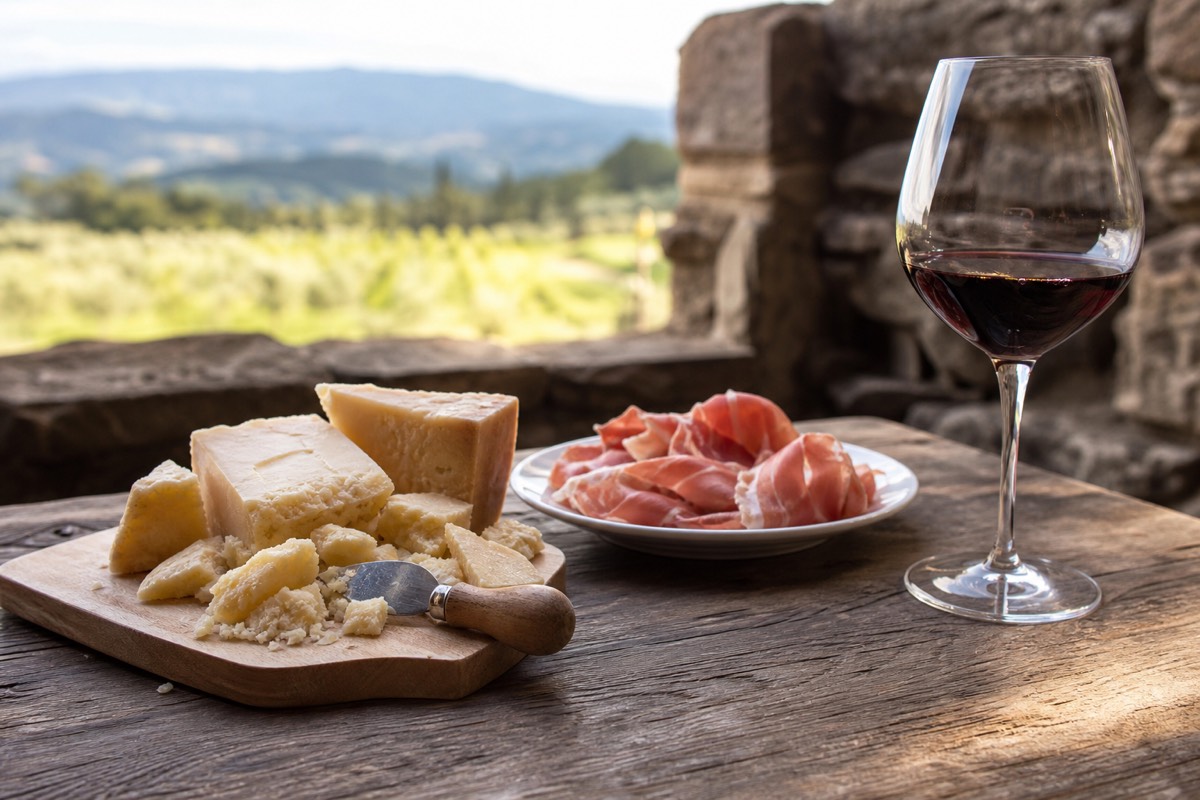
Both are genuinely excellent and genuinely different: Parma's strength is protected-origin ingredients you can trace back to a specific dairy or curing house, while Bologna's strength is prepared dishes built around those same regional ingredients.
| What you're chasing | Better city |
|---|---|
| Watching a producer at work, cheese wheels, curing rooms | Parma |
| A big plate of tagliatelle al ragù made the local way | Bologna |
| Tasting different ages of Parmigiano Reggiano side by side | Parma |
| A lively market crawl through a historic quarter | Bologna (Quadrilatero) or Parma (Ghiaia), both work |
| Rare cured meats like Culatello di Zibello | Parma |
This is where a lot of comparison posts get lazy and just declare a winner. The honest answer is that Parma and Bologna are not really competing on the same axis. Parma gives you the raw materials: Parmigiano Reggiano aged in warehouses you can tour, Prosciutto di Parma cured a short drive from the center, Culatello di Zibello for those chasing the rarer cut. Bologna turns ingredients from across the whole Emilia-Romagna region, including Parma's own, into tortellini, mortadella and ragu. There's genuine overlap too: tortellini in brodo, a Bologna classic, is also common on Modena's tables, and Parmigiano Reggiano itself is used generously in Bologna's kitchens even though the cheese isn't produced there. If you want the fuller regional picture rather than a two-city fight, our Bologna, Modena, Parma food valley guide covers all three, and is Modena worth a day trip from Parma tackles the third corner of that triangle.
Which City Actually Has Better Food Tours?
For structured, bookable factory and producer tours, Parma wins clearly: it has the deeper multi-operator tour infrastructure built specifically around watching Parmigiano Reggiano and Prosciutto di Parma get made, while Bologna's food strength lies in eating rather than touring working production floors.
Parma's own tour market lists eight different bookable food experiences across GetYourGuide and Viator, ranging from a two-hour, $93 factory visit up to an eight-hour, $396 private circuit, several of them logging thousands of bookings and ratings at or near 5.0. That density is the practical difference between the two cities: in Parma, watching cheese get made or ham get cured is a routine, easy-to-book part of a visit, with multiple operators competing for the same experience. In Bologna, the food experiences on offer lean toward market tours, pasta-making classes and tastings built around prepared dishes rather than behind-the-scenes producer access on the same scale. Neither approach is worse. They answer different questions. But if factory access specifically is what you are after, Parma is the stronger choice, and it is not a close call. Our fuller comparison lives at which city is actually best for a food tour, and Food Tours Parma covers that Parma-side lineup in full.
So Which Should You Actually Pick?
Pick Parma if you want a quieter, food-first trip with fewer crowds; pick Bologna if you want more sights, more nightlife, and easier onward train connections; or, since they sit only 55 minutes apart, do both and let one be a day trip from the other.
If you have limited time and have to choose, pick Parma when your priority is a slower, more intimate food experience, small-group tastings, factory and dairy visits, a walkable center without heavy crowds. Pick Bologna when you want a bigger-city trip with more to see in a shorter window, easier rail links to Florence, Venice or Milan, and a livelier evening scene. If you genuinely cannot decide, the 55-minute train ride removes most of the pressure to choose at all.
It also helps to think about who you are traveling with. A couple prioritizing a romantic, unhurried food day tends to lean Parma. A group of friends who want more restaurants, more bars, and more to argue about doing each evening tends to lean Bologna. Solo travelers do well in either city, since both have compact, walkable centers, though Parma's quieter streets and small-group tour sizes, six to twelve people on most tours, tend to suit travelers who want to actually talk to their guide rather than blend into a crowd.
Can You Actually Visit Both Parma And Bologna In One Trip?
Yes, easily: the direct train between Bologna Centrale and Parma takes about 55 minutes and costs roughly €9-26, which makes a day trip in either direction realistic rather than a logistical stretch.
Plenty of travelers base themselves in one city and day-trip to the other, or split a short stay evenly between both. For the exact sequencing question, whether to see Bologna first or Parma first, see how many days in Bologna before Parma. For the wider transport picture, including how both cities connect to Milan and Florence, see how to get to Parma from Milan, Florence or Bologna. And if a single day in Parma is all you can spare, our one day in Parma itinerary lays out exactly how to use it.
A common pattern among travelers who write in with this question is a three or four night stay split unevenly: two nights in Bologna to cover the porticoes, Piazza Maggiore and the Two Towers at a relaxed pace, then a night or two in Parma for the food side of the trip. Reversing that order works just as well, and which city you land in first often just comes down to which airport or train route gets you into the region faster.
The honest bottom line: this is not a rivalry with a clear winner. Parma rewards travelers who want to slow down around food; Bologna rewards travelers who want more to see in less time, more going on after dark, and an easier onward journey to the rest of Italy. Weather is worth folding into the decision too, since both cities share the same Po Valley climate; our best time to visit Parma guide covers the seasonal trade-offs in detail, and Italy's official tourism site has a useful regional overview at italia.it.
If you're still undecided after all of that, default to the simplest test: what does the rest of your trip already look like? A tightly packed, landmark-driven Italy itinerary tends to favor Bologna, since it slots in more easily alongside Milan, Florence, Venice or Rome without a change of trains. A trip already built around slower travel, food, or a specific interest in how Parmigiano Reggiano and Prosciutto di Parma are actually made favors Parma. And if neither test settles it, the 55-minute ride between them means the "wrong" choice is never far from being fixed.
One last practical note worth stating plainly: neither city requires the other to justify a visit. Plenty of travelers do a satisfying trip built entirely around Parma, and plenty do the same with Bologna alone. The comparison only matters if you are actually choosing between them for limited time. If your schedule already has room for both, the real question stops being which is better and becomes only how to split the days, a much easier problem to solve.