Best Time To Visit Parma, Italy (Weather & Seasons) (2026-2027)
Parma's weather follows the Po Valley's pattern: hot, sometimes brutally hot, summers and cold, foggy winters, with spring and early fall as the genuine sweet spot.
Weather in Parma does not behave like the coastal Italy most people picture. It sits inland, in the Po Valley, which means real seasonal swings, real fog, and summer heat that goes well past what a Mediterranean postcard suggests. Here is what the actual monthly numbers say, what each season actually feels like on the ground, how nearby Bologna and Modena compare, what to pack, and how to plan a trip around all of it instead of a generic "spring or fall" answer.
At A Glance: Fit a city walk, producer day or home cooking class around your season and available time. Explore Parma Artisan Food Walk
Average highs by month (°C)
Figures are approximate seasonal averages, not a forecast for a specific date; source: climatestotravel.com.
What Is The Weather Actually Like In Parma, Month By Month?
Average daytime highs in Parma run from about 6.2°C in January to a peak of 30.8°C in July, with October and November as the rainiest months and a genuine fog season that settles over the Po Valley from November through March.
| Month | Avg. daytime high | Notes |
|---|---|---|
| January | 6.2°C | Cold, humid, foggy |
| February | 8.8°C | Still foggy, quiet for tourism |
| March | 14.2°C | Fog tapering off toward late month |
| April | 19.1°C | Mild, generally comfortable |
| May | 23.5°C | One of the best months for outdoor markets |
| June | 28.1°C | Hot, humidity building |
| July | 30.8°C | Hottest month on average, heatwaves possible |
| August | 30.1°C | Still very hot and humid |
| September | 25.2°C | One of the best months for outdoor markets |
| October | 18.6°C | Rainiest month, Festival Verdi |
| November | 12.0°C | Rainiest month, fog returns, November Porc |
| December | 6.6°C | Cold, foggy, Christmas markets from early month |
These are seasonal averages from independent climate data, not a forecast for any specific date; check climatestotravel.com closer to your trip for current conditions. The swing between January's 6.2°C and July's 30.8°C is worth sitting with for a moment: it is a genuinely wide range for a single Italian city, wider than most coastal destinations see across a full year, and it is the single biggest reason a generic "Italy in spring or fall" recommendation does not quite fit Parma without the specifics behind it.
What Does Each Season Actually Feel Like As A Visitor?
Spring builds gradually from cool and hazy to genuinely pleasant, summer turns hot and heavy enough to reshape the day around it, autumn splits into a beautiful early stretch and a wet late one, and winter settles into quiet, foggy stillness broken up by Christmas lights.
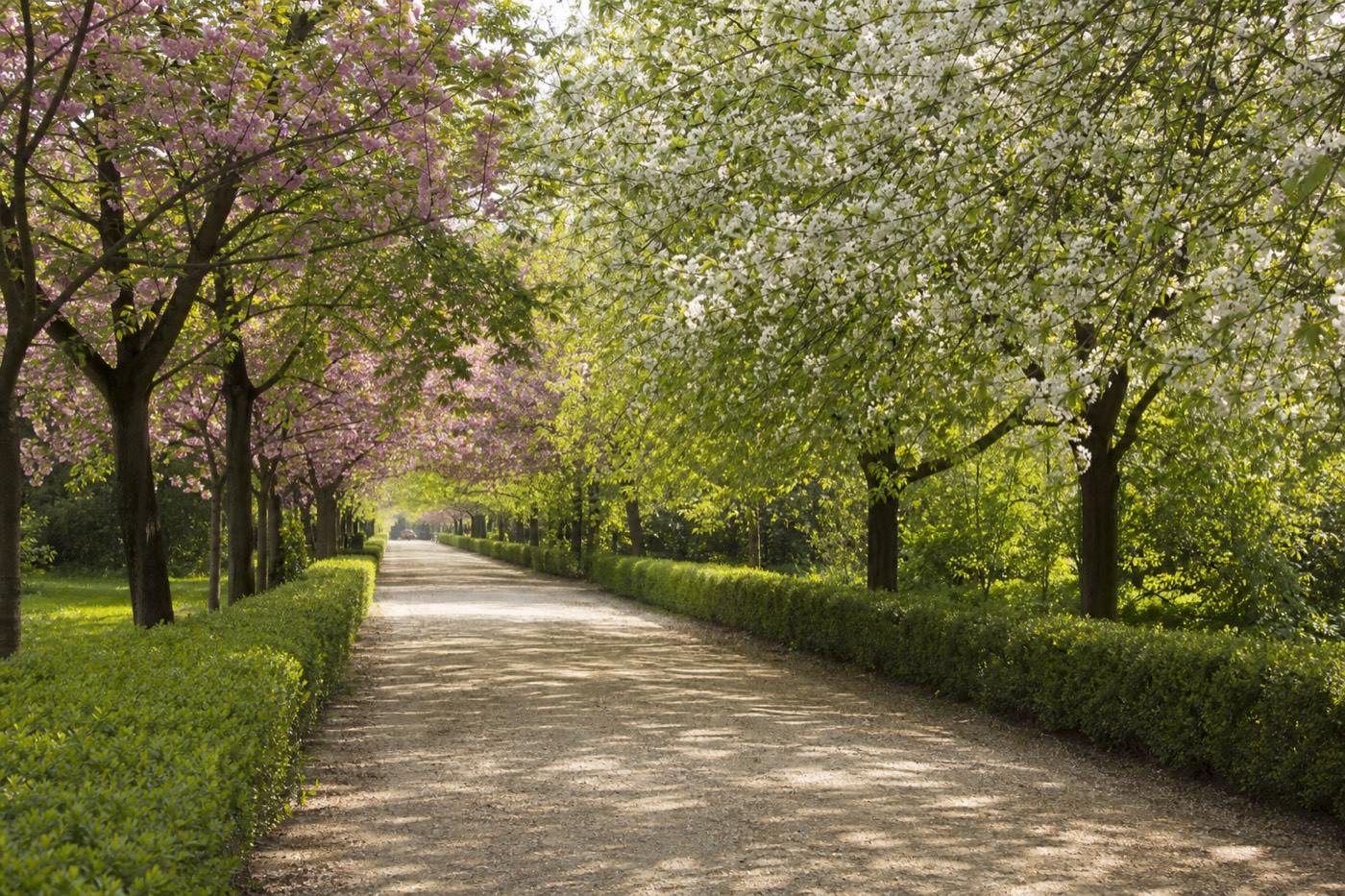
Spring in Parma does not arrive all at once. March still carries the tail end of winter's fog, with highs around 14.2°C and mornings that can feel genuinely cold before the sun burns through. By April, at 19.1°C, the shift is obvious: outdoor seating fills back up, the historic center's stone facades stop looking quite so gray, and walking the loop from Piazza Garibaldi to the Cathedral feels comfortable rather than brisk. May is where spring peaks, 23.5°C, mild humidity, and the kind of light that makes the Baptistery's pink marble look its best in photos. It is a genuinely good month to be outside all day.
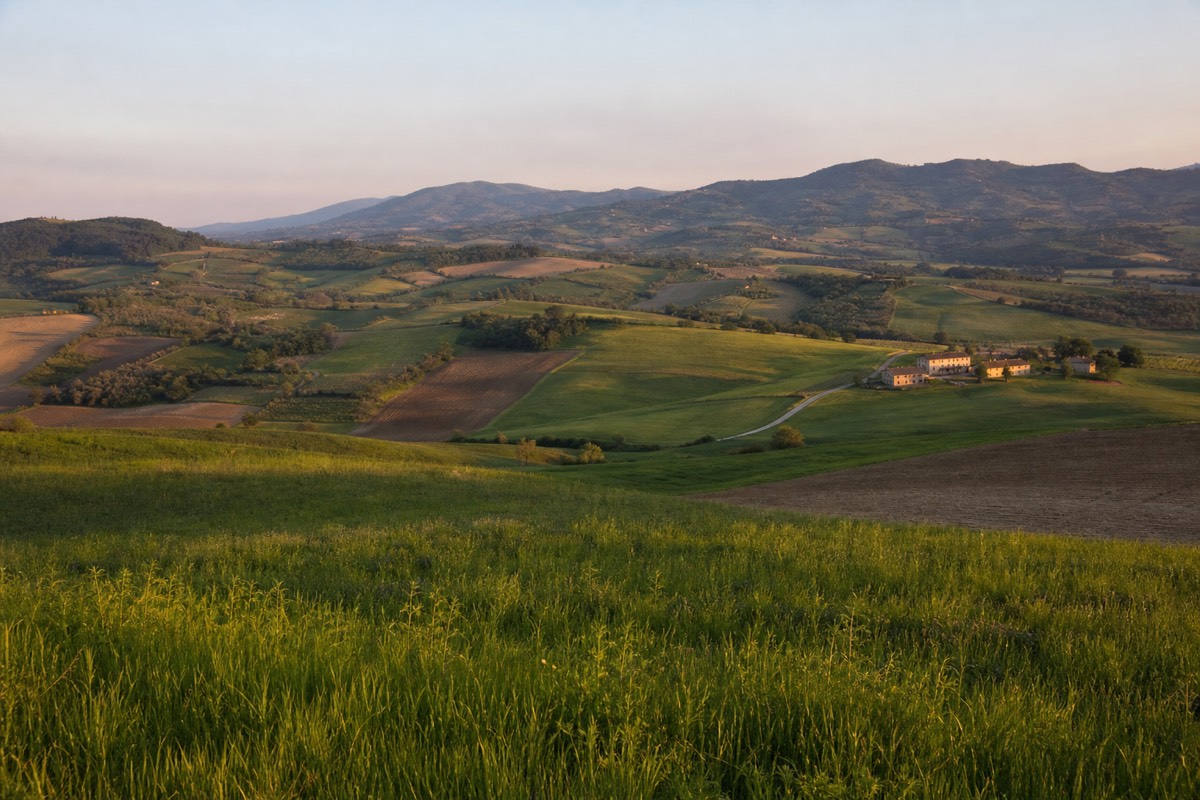
Summer is a different experience entirely, and it changes how a day here actually runs. By June the city has shifted into a slower daily rhythm: mornings and evenings are for being outside, midday is for staying indoors or in shade. July and August, both averaging around 30°C with real heatwave risk, turn the historic center's narrow streets into genuine sun traps by early afternoon. Tours that run indoors, in dairies, curing rooms and air-conditioned vans, hold up fine. A long outdoor walking day at 2:00 PM in August does not.
Autumn splits cleanly into two distinct experiences. Early autumn, essentially September, extends summer's comfort without its intensity, 25.2°C, still warm enough for outdoor markets, without the heaviest humidity. Late autumn is a different season altogether. October and November bring the year's heaviest rain alongside the return of fog, and by November the average high has dropped to 12.0°C. What late autumn gains is atmosphere: Festival Verdi's opera performances fill October, and November Porc leans directly into the cured-meat identity that makes Parma worth visiting in the first place, rain or not.
Winter is the quiet season, and it is worth experiencing on its own terms rather than avoiding outright. December through February run cold and genuinely foggy, 6-9°C on average, with short days and a historic center that empties out compared to any other time of year. What replaces the crowds is a different kind of appeal: Christmas markets and illuminations from early December, near-empty tour groups, and a version of the city that feels lived-in rather than performed for visitors. For a food-focused trip specifically, winter loses very little, aged Parmigiano and cured meats do not care about the fog outside.
| Season | Best for | Watch out for |
|---|---|---|
| Spring (Mar-May) | Comfortable walking, outdoor markets, mild sightseeing days | Cool, hazy mornings early in the season |
| Summer (Jun-Aug) | Long evenings, indoor factory tours, air-conditioned countryside vans | Genuine heat and humidity, heatwave risk into the 30s and beyond |
| Autumn (Sep-Nov) | September's comfort, Festival Verdi, November Porc | October and November rain, returning fog by late month |
| Winter (Dec-Feb) | Quiet historic center, Christmas markets, indoor tastings | Cold, humid, foggy days, short daylight hours |
Why Does Parma Get So Foggy?
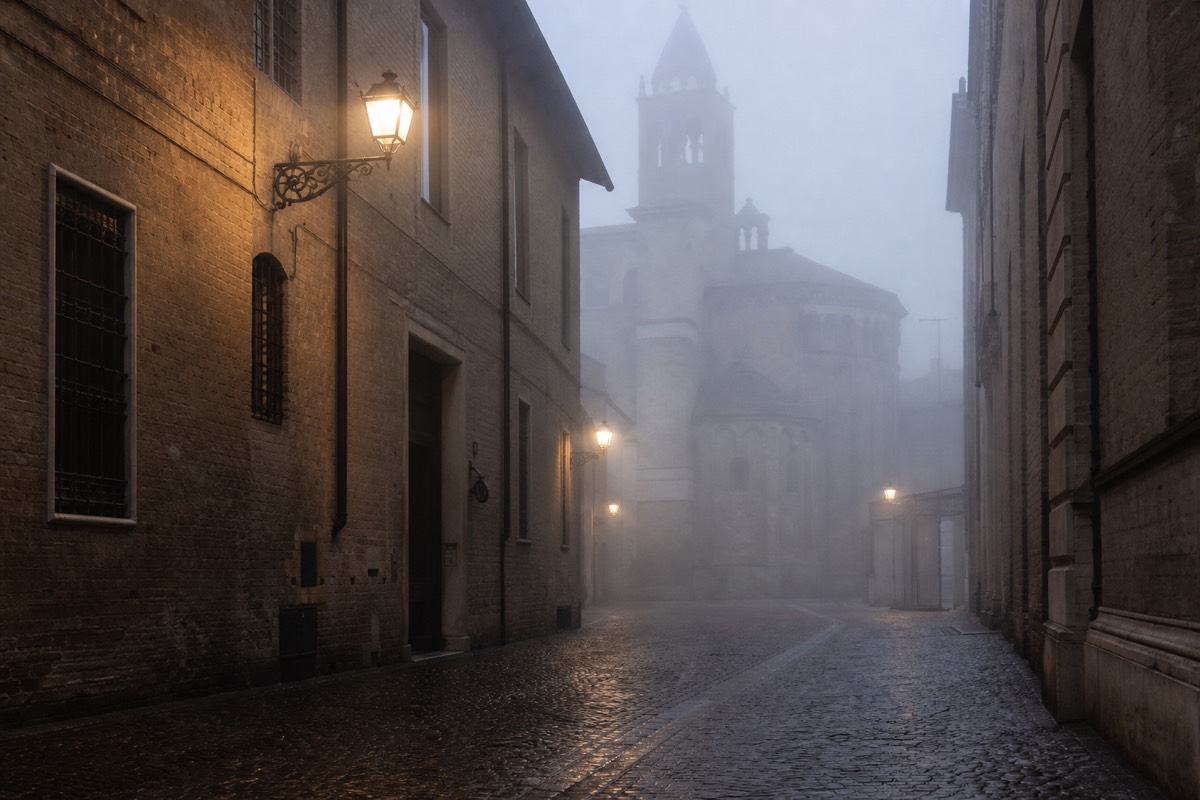
Parma sits in the Po Valley, a low, enclosed inland basin that traps cool, moist air, producing a fog season that is genuinely well documented as a regional phenomenon rather than an occasional inconvenience, most pronounced from November through March.
Travelers coming from coastal Italy, or from climates without a comparable inland basin, sometimes underestimate how thick this fog can get. It is not the light morning haze that burns off by 9:00 AM in a lot of places. On a heavy day it can linger well into the late morning, and it is genuinely part of what gives winter in Parma its particular, hushed character rather than being a minor weather footnote.
This is not a minor footnote. The Po Valley's geography, flat land ringed by mountains, means cold air settles and moisture has nowhere to escape overnight, especially in the colder months. If you are visiting between November and March, build in some flexibility for hazy mornings, delayed sunrise views, and photography plans that might need a backup slot later in the day.
Fog does not close anything down, and it rarely disrupts a booked tour, since most of what fills a Parma day, the Cathedral interior, Palazzo della Pilotta, factory and dairy visits, is either indoors already or unaffected by low visibility outdoors. What it does change is the outdoor, view-dependent parts of a trip: a stroll through Parco Ducale or the green space at Parco della Cittadella, both worth a visit on our guide to things to do in Parma, is a quieter and hazier experience on a foggy morning than a clear one, though the same paths in soft winter light have their own quiet appeal for photographers who don't mind the mood.
How Does Parma's Weather Compare To Nearby Bologna And Modena?
Almost identically: Bologna and Modena sit in the same Po Valley basin as Parma, share the same fog season, the same rainiest months, and broadly the same summer heat, so weather is rarely a reason to favor one city over another when planning a multi-stop trip.
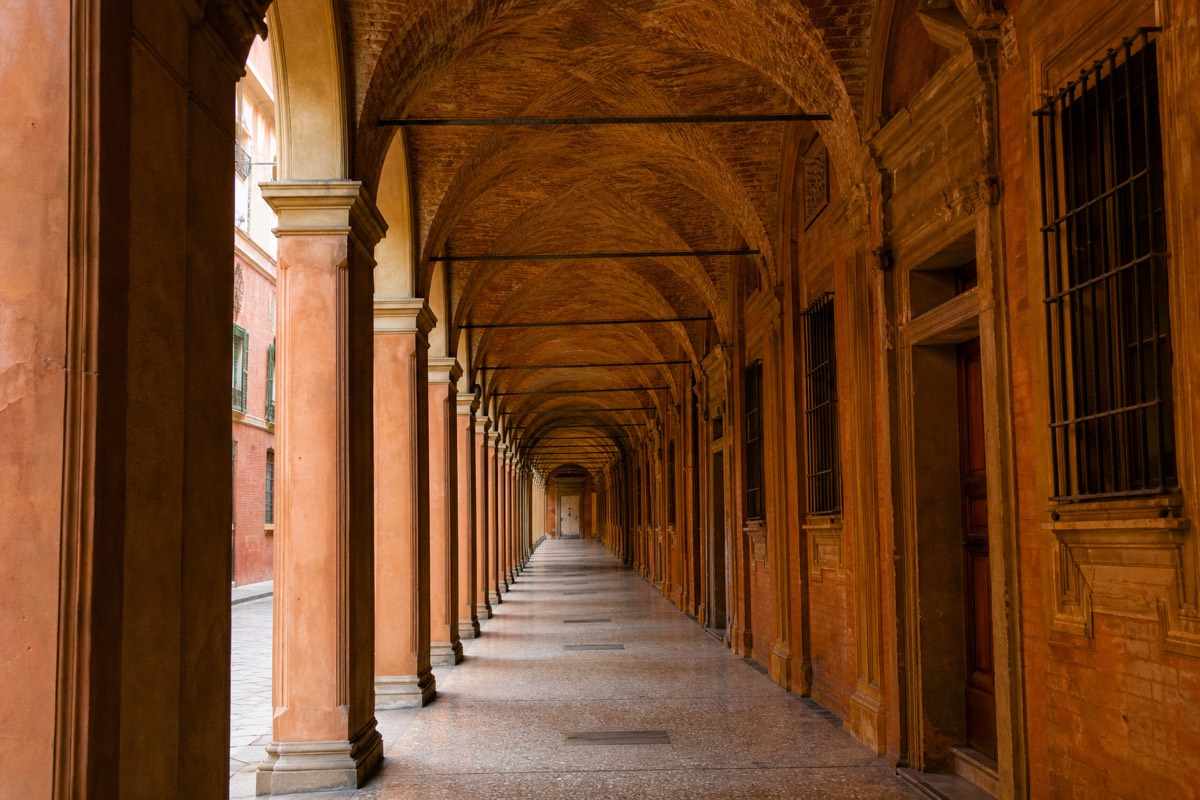
This one is genuinely quick to answer because there is not much daylight between the three. All three cities sit within the same flat inland basin rather than along the coast, which means the same trapped, moist air drives fog across the whole region from November through March, not just in Parma specifically. Summer heat tracks the same way: if July is pushing 30°C with heatwave risk in Parma, Bologna and Modena, both a short train ride away, are experiencing close to the same conditions on the same days. The practical takeaway for a Food Valley trip is that you do not need to weigh weather heavily when deciding how to split days between the three cities; see our Bologna, Modena, Parma food valley guide for how the rest of that planning works. Timing your whole trip around the region's shared seasons matters far more than trying to pick a "better weather" city among the three. If you are weighing the two cities against each other for reasons beyond weather, size, food style, nightlife, our Parma vs Bologna comparison covers the factors that actually differ.
When Is The Best Time To Visit For Markets And Outdoor Activity?
May, September and October are the strongest months for outdoor markets and comfortable walking weather, sitting between the summer heat and the winter fog with daytime highs in the high teens to mid-20s.
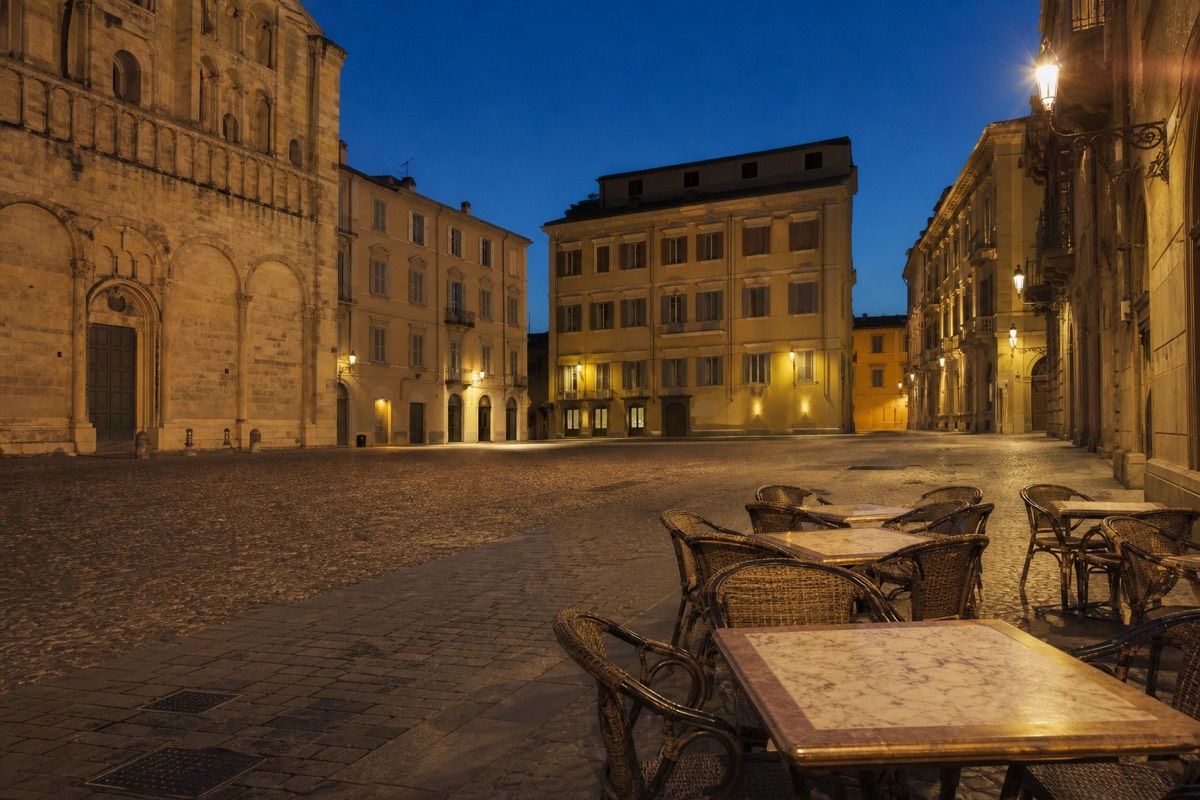
These three months matter beyond comfort alone. A market visit works best when you can actually linger, browsing cheese counters, talking to vendors, comparing cured meats, rather than rushing through because it's too hot or too wet to stay outside long. Shoulder-season timing turns Piazza Ghiaia from a quick pass-through into a genuine part of the day's itinerary.
May offers the mildest transition into warm weather, with highs around 23.5°C and none of the peak-summer humidity. September holds a similar sweet spot at 25.2°C, cooler than August but still comfortable for a full day of walking. October is cooler again at 18.6°C and brings genuinely pleasant sightseeing weather, though it is also one of the two rainiest months, so pack for the possibility of rain even on a market day.
The Ghiaia market in particular benefits from these shoulder-season windows. Produce stalls, cheese counters and cured-meat vendors are all outdoors or under light cover, and a comfortable, dry morning makes browsing genuinely pleasant rather than something to rush through. May and September both give you that without competing against summer's crowds or winter's short days, which is part of why food-focused travelers tend to gravitate toward these two months specifically when they have flexibility on dates.
Is Summer Too Hot To Visit Parma?
Summer in Parma is genuinely hot and humid, with average daytime highs near 30°C in July and August, and heatwaves that have pushed temperatures as high as 40°C in the Parmesan-producing region according to a 2026 Reuters report on extreme heat.
Summer walking can feel hot and tiring. For a producer day such as Private Parma Producer Day, compare the transport-included and self-drive options and confirm vehicle comfort with the operator. Indoor stops do not mean the entire itinerary is air-conditioned.
A practical adjustment worth making in July and August is simply reordering the day rather than avoiding Parma altogether. Front-loading the Cathedral, Baptistery and market visit into the morning, before roughly 11:00 AM, then moving into an indoor factory tour or an air-conditioned lunch through the hottest stretch of the afternoon, and saving Palazzo della Pilotta or Teatro Regio for early evening when the heat has broken, keeps the same itinerary workable even during a heatwave.
Are There Festivals Worth Timing A Trip Around?
Festival Verdi, an opera festival held every October, and November Porc, a real cured-meat and culatello-focused food event cluster held every November, are the two named local events worth building a trip around, though exact dates vary year to year.
Both events double as a reason to accept the shoulder-season rain rather than avoid it. Neither is a small local gathering, either. Festival Verdi draws opera fans specifically for the programming at Teatro Regio and around the city, while November Porc is built entirely around the tradition of curing meat at the specific time of year when the climate favors it, cool and humid enough for the early stages of curing without the summer heat that would spoil the process. Timing a trip around either one means accepting October or November's rain risk as a fair trade for programming you cannot get the rest of the year.
Festival Verdi celebrates Giuseppe Verdi, who was born in the Parma area, with opera performances across the city each October, a natural pairing with Teatro Regio itself. November Porc leans directly into Parma's cured-meat identity, timed to the traditional season for producing Culatello di Zibello; see our piece on what culatello di Zibello actually is for the background on why that timing matters. Check the official festival sites for exact dates within each month before booking travel.
What Should You Pack For Parma By Season?
Layers matter more than any single item: a warm coat, scarf and waterproof shoes for winter's cold and fog, a light jacket for spring and autumn's variable mornings, and breathable, sun-protective clothing plus a refillable water bottle for a genuinely hot summer.
| Season | What to pack |
|---|---|
| Winter (Dec-Feb) | Warm coat, scarf, gloves, waterproof shoes for fog and damp streets, layers for cold indoor aging rooms too |
| Spring (Mar-May) | Light jacket for cool mornings, layers you can shed by midday, a compact umbrella for occasional showers |
| Summer (Jun-Aug) | Breathable, light-colored clothing, a hat and sunscreen, a refillable water bottle, comfortable shoes that breathe well |
| Autumn (Sep-Nov) | A rain shell or umbrella, especially October and November, layers for temperature swings between morning and afternoon |
One item is worth packing regardless of season: closed-toed shoes. Several cheese and ham factory visits require them for safety on wet dairy floors and curing-room surfaces, and sandals or flip-flops are commonly turned away at the door no matter how warm it is outside.
It is worth packing a little lighter than instinct suggests for the aging rooms specifically. Even during a July heatwave, the rooms where Parmigiano Reggiano ages for 24, 36 or 48-plus months are kept deliberately cool, closer to a wine cellar than a summer afternoon outside, so a light long-sleeve layer tucked into a daypack is a small addition that pays off on almost any factory visit regardless of the season you're traveling in.
How Does Weather Affect Factory Tours Specifically?
In-town factory and dairy visits run largely unaffected by weather, since the production floors, aging rooms and curing cellars are indoor spaces kept at controlled temperatures year-round, while countryside circuits that add an outdoor lunch or a scenic drive through the hills are the ones genuinely exposed to rain, heat and fog.
A dairy visit spends much of its time around production and aging rooms, but still includes transfers and walking. Parma Cheese Factory Visit is listed at 2.5 hours. Check the departure date and clothing requirements for your visit rather than assuming identical conditions in every season.
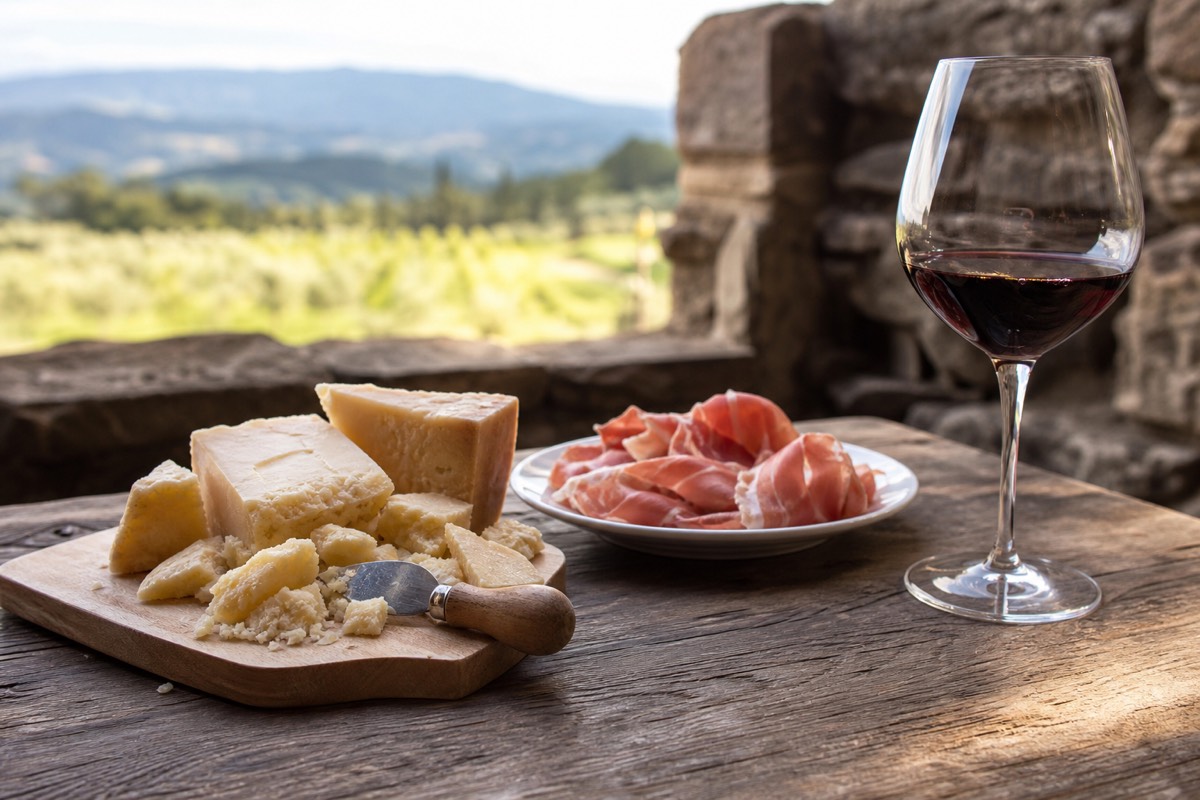
Countryside tours are a different story. Several of the region's longer experiences, seven or eight hours, combine a dairy and ham producer visit with a drive through the hills and an outdoor or partially outdoor lunch stop, sometimes at a rural Osteria or a farmhouse setting. Those are the itineraries most exposed to actual weather conditions: a summer heatwave affects a countryside drive and an alfresco lunch far more than a factory floor, and heavy autumn rain can affect visibility and comfort during the transit between stops even if the tastings themselves stay indoors. If you are booking one of these longer circuits and the forecast looks extreme in either direction, checking the specific tour's format for how much time is spent outdoors is worth the two minutes it takes. Whatever the weather, the tastings themselves stay consistent: Parmigiano Reggiano aged 24, 36 or 48-plus months, Prosciutto di Parma sliced at different curing stages, and the rest of the region's protected-origin products taste the same in January as they do in July; see what to eat in Parma for the full rundown of what actually shows up on a tasting route.
What Is The Single Best Overall Month To Visit Parma?
There is no single perfect month, only trade-offs: May and September offer the best balance of comfortable weather and market activity, while October adds Festival Verdi at the cost of being one of the two rainiest months.
If comfortable walking weather is the priority, May or September win outright. If you want cultural programming alongside decent weather, October is worth the rain risk for Festival Verdi. If you are flexible and want to avoid both extreme heat and fog entirely, late April through early June and September into early October are the safest windows. There is no wrong answer here, only a different trade-off in each direction: chase comfort, chase culture, or accept the fog for a quieter, cheaper trip, all three are legitimate reasons to pick a particular month. For how a specific day plan changes depending on season, see our one day in Parma itinerary, and for the wider case on whether the trip is worth it regardless of month, see is Parma worth visiting.
What Should You Expect From A Winter Visit?
Winter in Parma is cold, humid and foggy, with daytime highs around 6-9°C from December through February, quiet tourism levels, and Christmas markets and illuminations that begin in early December.
Winter is the off-season here for good reason: the fog is thickest, the days are short, and outdoor sightseeing loses some of its appeal. What it gains is a genuinely quiet historic center and, from early December, Christmas markets and lights that give the city a different, cozier character. If you are food-focused rather than weather-focused, winter still works well for indoor tastings, aged Parmigiano and cured meats do not care about the fog outside. Winter is also a good season to lean on Parma's indoor food history rather than its outdoor sights. Bottega Barilla 1877, the interactive historic shop and visitor experience tied to the pasta brand founded here in 1877, works just as well on a cold, foggy afternoon as it does in June; see can you tour the Barilla pasta factory near Parma for the fuller picture of what is and isn't open to visitors. For more on planning around the season either way, see how to get to Parma, and check Italy's official regional overview at italia.it for broader seasonal context across Emilia-Romagna.