Is Parma Worth Visiting? An Honest Guide
Parma keeps landing on best-food-city-in-Italy lists without ever cracking most first-time itineraries. Here is what you would actually get if you added it, and what you would trade off.
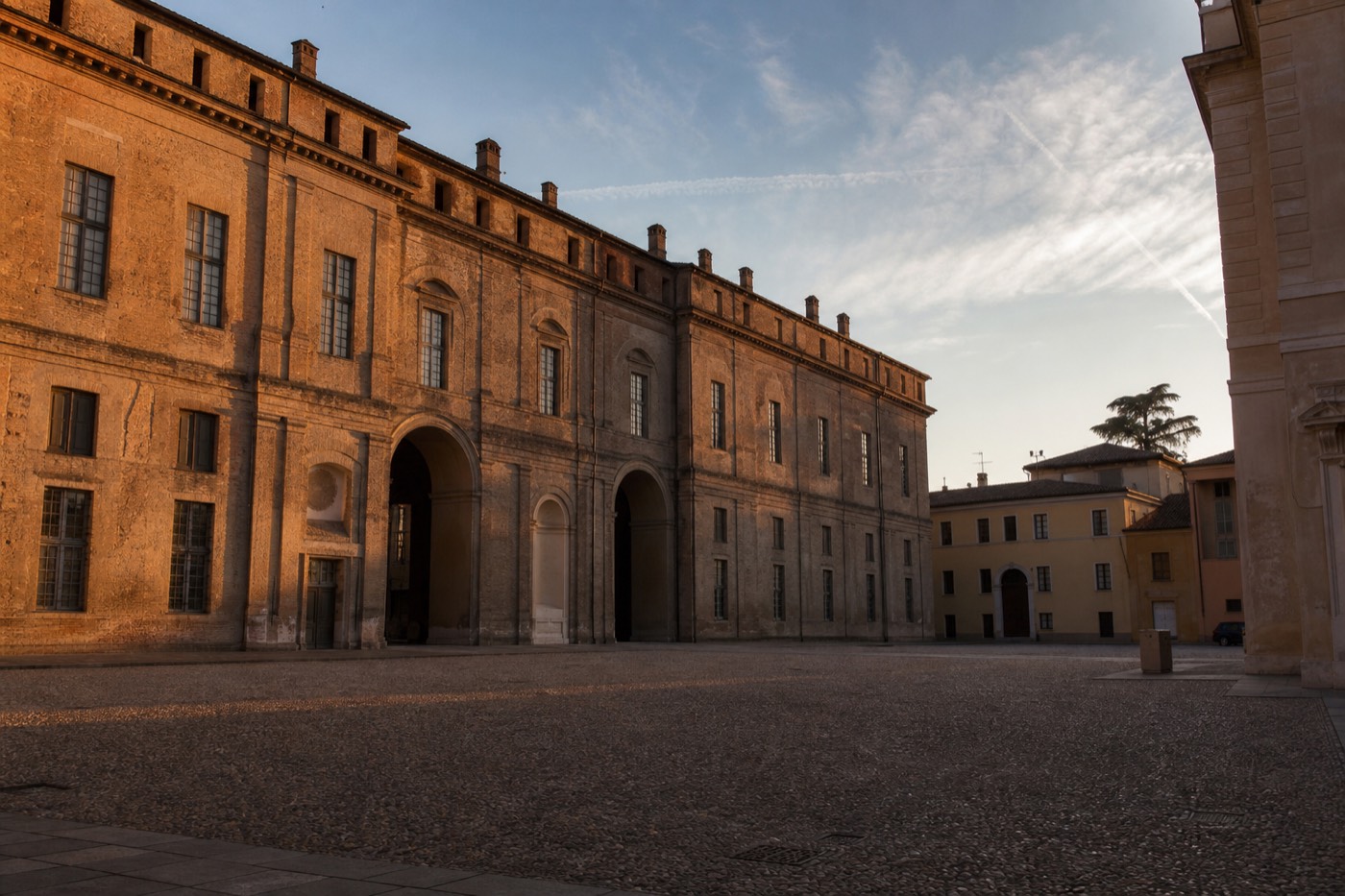
Type "is Parma worth visiting" into a search bar and the results split into two camps: gushing posts that call every Italian town magical, and terse forum threads that just say skip it, go to Bologna instead. Neither is much use when you are trying to plan four or five days in Italy. Parma is a mid-sized city in Emilia-Romagna with a specific, real food culture, a compact historic core, and no single blockbuster monument on the scale of the Colosseum. Whether that combination is worth your limited vacation days depends on the trip you are already building, so here is the honest version rather than the highlight reel, cost, disappointments and all, not just the parts that make good marketing copy.
At A Glance: Discover Parma through its artisan workshops. Explore Parma Artisan Food Walk
What Makes Parma Worth The Detour?
Parma's case rests on food heritage more than famous landmarks: it produces Parmigiano Reggiano and Prosciutto di Parma within a short drive of the center, its historic core is compact enough to cover on foot, and sights like the Duomo and Teatro Regio carry genuinely strong independent ratings rather than just tourist-board enthusiasm.
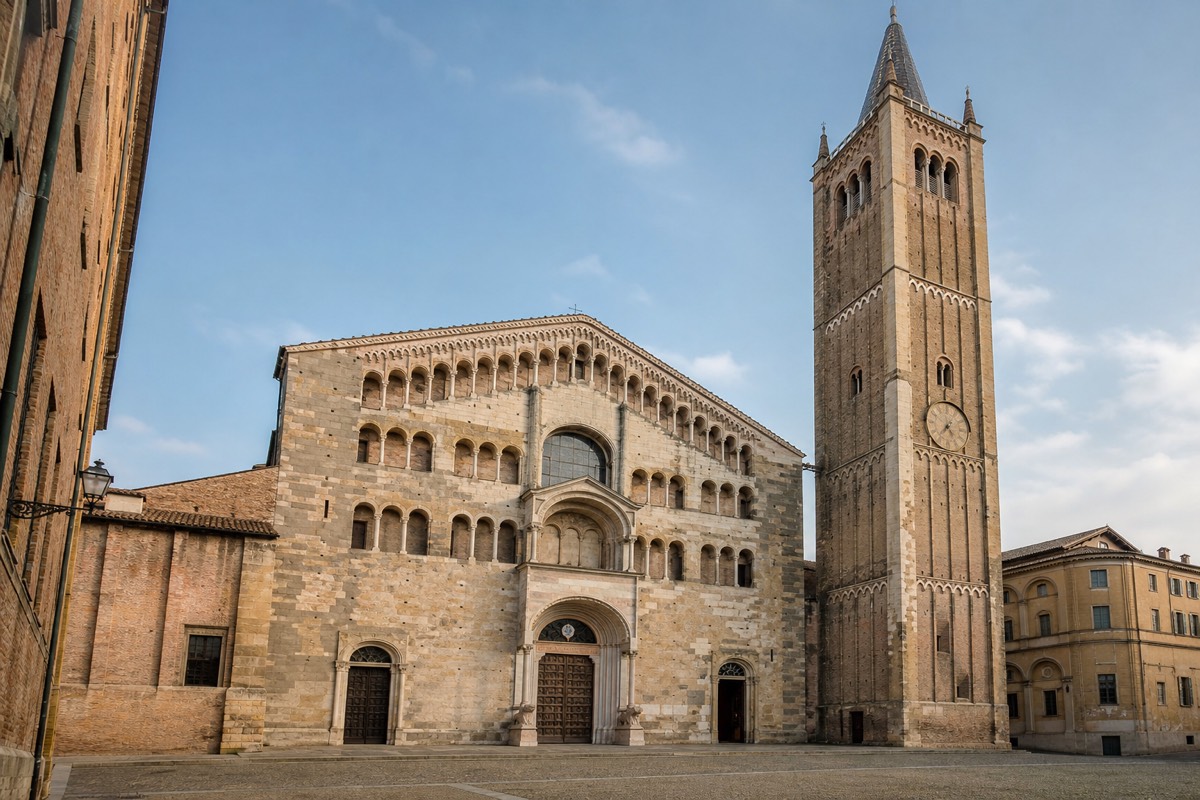
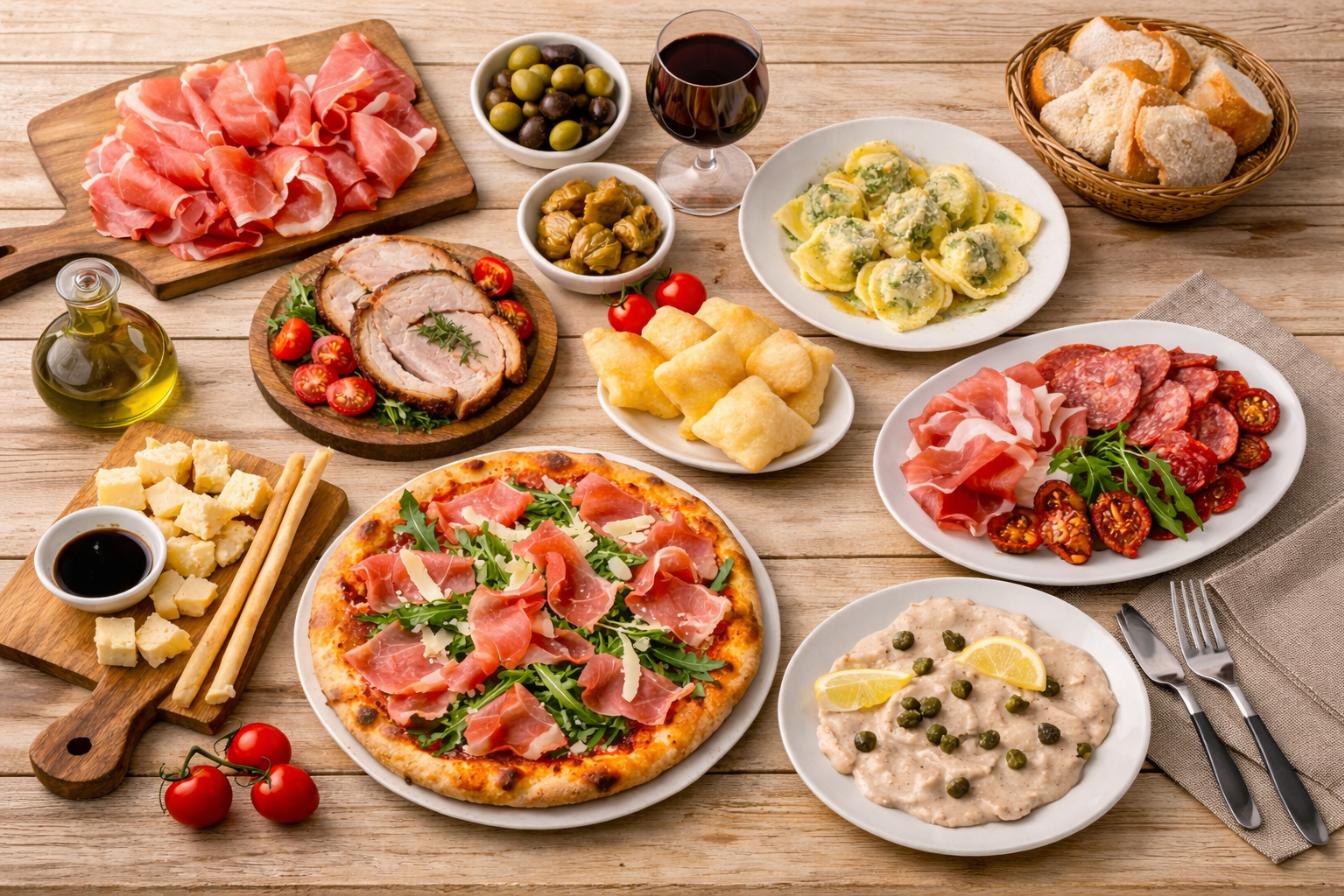
Parma's food reputation is not exaggerated marketing copy. It is one of the few places on earth where you can walk from a centuries-old cathedral to a working dairy producing Parmigiano Reggiano, then to a shop selling Prosciutto di Parma cured a few kilometers away, all inside a single afternoon. That density of protected-origin food production is a big part of why Parma carries UNESCO Creative City of Gastronomy status, and it is the throughline for most of what is worth seeing here. For a full rundown of what to actually eat, see our guide to what to eat in Parma.
Beyond the food, Parma's historic center holds up on its own merits. Independent Google ratings, not affiliate marketing copy, put Parma Cathedral at 4.7 stars across roughly 13,000 reviews, the Teatro Regio opera house at 4.7 stars across around 5,000, and the Farnese Theater inside Palazzo della Pilotta at 4.9, the highest of any sight in the city. Those are not small sample sizes, and they line up with what you would expect from a well-preserved Romanesque and Renaissance center that most first-time visitors to Italy never get around to.
| Attraction | Google rating | Reviews |
|---|---|---|
| Farnese Theater | 4.9 | ~2,500 |
| Parma Cathedral (Duomo) | 4.7 | ~13,000 |
| Teatro Regio (opera house) | 4.7 | ~5,000 |
| Palazzo della Pilotta | 4.6 | ~8,100 |
| Baptistery of Parma | 4.5 | ~1,100 |
| Parco Ducale | 4.4 | ~5,300 |
Everything above sits inside a compact, walkable historic center. Tour meeting points across the city cluster around three spots: Piazza Garibaldi, the Cathedral and Baptistery area, and in front of Teatro Regio, all a few minutes' walk apart. That means you rarely lose half a day to transit the way you might in a sprawling capital. For the fuller list of sights and activities inside that walkable core, our guide to things to do in Parma rounds up the rest of the historic center, and the Food Tours Parma listings are worth a look before you fix a meeting point, since they're built around the same three clusters.
What Is Special About Parma That You Will Not Find Replicated Elsewhere?
Parma is one of the only places where Parmigiano Reggiano, Prosciutto di Parma, and the rarer Culatello di Zibello are all produced within a short drive of a walkable historic center, and Barilla itself, now a global pasta brand, was founded here in 1877 as a small neighborhood bread and pasta shop.
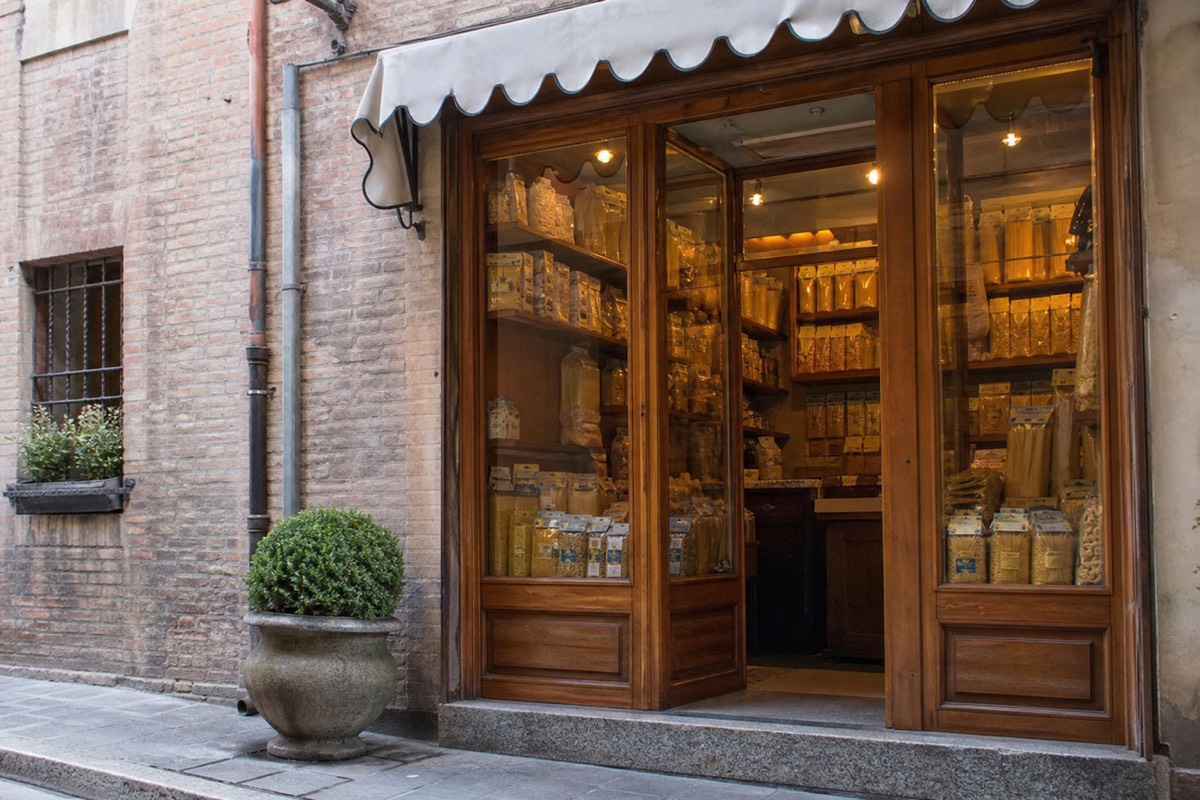
Most visitors know Parmigiano Reggiano and Parma ham from a supermarket shelf. In Parma they are the actual local product, made in aging rooms and curing facilities a short drive from the center, under strict rules that limit production to this specific area. Culatello di Zibello, a rarer and more prized cured meat, comes from the same broader region and rarely turns up far outside it. For a closer look at the products themselves, see Parmigiano Reggiano factory tours, which covers the ham side of that production too.
Barilla adds another layer. The company was founded in Parma in 1877 by Pietro Barilla Sr as a bread and pasta shop, and it is still headquartered here, with its main production plant in nearby Pedrignano. The actual factory is not open for casual drop-in visits, tour slots have been booked out well into next year at last check, but Bottega Barilla 1877, an interactive historic shop and visitor experience, and Academia Barilla, which runs public cooking classes and tastings, both let you engage with that history in person. We cover the distinction in more detail in can you tour the Barilla pasta factory near Parma.
Working producers require scheduled visits rather than an assumption of walk-up access. An organized itinerary such as Private Parma Producer Day coordinates several stops; some producers also arrange their own visits directly. Reserve the appropriate visit before traveling to a production site.
What Actually Disappoints The Travelers Who End Up Regretting The Stop?
The complaints that turn up most often are honest ones: evenings that go quiet earlier than expected, no single postcard landmark to anchor a rushed itinerary, and confusion from travelers who assumed they could walk into a cheese or ham producer the way they would wander into a museum.
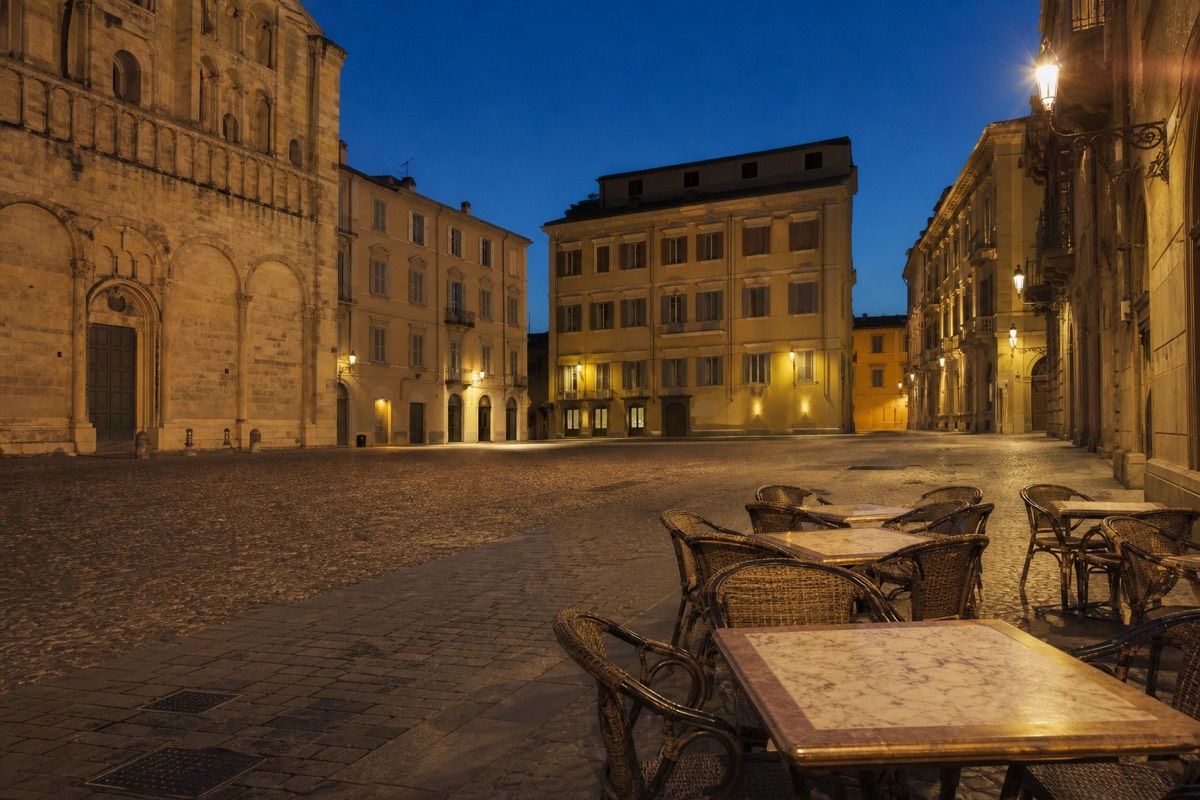
Parma suits travelers interested in food, smaller streets and a quieter city break more than those seeking a checklist of major Italian landmarks. Another potential disappointment is arriving at a working producer without a reservation. Private Parma Producer Day coordinates cheese, ham and balsamic visits; confirm the schedule before arranging the rest of your day.
Parma city lies on the Po plain. The surrounding hills offer a different landscape: Torrechiara Castle And Producer Tour combines producers with Torrechiara admission. Choose that day for the castle and production visits rather than expecting hilltop scenery in the city center.
The practical fix is to reserve a producer visit for your actual date and confirm its meeting arrangements. Private Parma Producer Day coordinates several producers. Historic review or booking totals do not establish whether places remain on your date.
Who Might Want To Skip Parma?
If you have only one day in Italy and your list is the Colosseum, the Duomo in Florence, and the canals of Venice, Parma will feel like a detour with no single postcard landmark to justify the stop, since its appeal comes from atmosphere and food rather than one unmissable sight.
This is the part most tourism sites skip. Parma does not have a Colosseum, a Leaning Tower, or a Grand Canal, the kind of singular image that makes a place feel non-negotiable on a first trip to Italy. If your itinerary is already packed with Rome, Florence and Venice and you are measuring every stop by whether there is one famous photo to take, Parma will underperform. It rewards travelers who care specifically about food, or who already have flexibility built into a longer Italy trip.
It is also worth being clear-eyed about scale. Parma is a mid-sized city, nowhere near the density of Rome or Milan, and evenings can feel quiet compared to a bigger tourist hub. If constant nightlife and crowds are what you want, that is a real trade-off too, and it is one honest reason some travelers choose to pass on it.
Put more concretely, here is how that trade-off plays out across a few common traveler profiles.
| Traveler profile | Good fit? | Why |
|---|---|---|
| Families with young kids | Yes, with planning | Compact, walkable center and food tours that welcome children, though evenings are quiet and there is no theme-park-style backup plan |
| First-timers to Italy on a single trip | Usually a day trip, not a base | Limited vacation days are better spent on Rome, Florence and Venice first; Parma rewards a second or later trip |
| Repeat visitors to Italy | Strong fit | Already checked the major landmarks off elsewhere, free to prioritize food and atmosphere over must-see sights |
| Food-focused travelers | Very strong fit | Parma's entire case rests on food heritage; this is the traveler the city is built for |
| Travelers who prioritize nightlife | Weaker fit | Evenings are genuinely quiet compared to Rome, Florence or even nearby Bologna |
How Does Parma Compare On Cost To Rome, Florence Or Venice For A Similar Day?
As a mid-sized regional city rather than a capital or a headline tourist destination, Parma generally runs cheaper for lodging, dining and everyday costs than Rome, Florence or Venice, though the gap is a matter of city tier rather than a fixed figure we can quote with confidence.
None of the sources behind this site give us a verified day-to-day price comparison across these four cities, so we are not going to invent one. What we can say honestly, based on tourism scale alone, is that Rome, Florence and Venice are three of the most visited cities in Italy, and demand on hotels, restaurants near major sights, and transport tends to track visitor volume. Parma is not on that list. It draws travelers specifically interested in food and a slower pace rather than the mass tourism that shapes pricing in the bigger three, and Venice in particular carries a well-known premium tied to its logistics as an island city with limited housing stock.
The practical upshot: a day built around a Parma food tour, a trattoria lunch, and an evening in the historic center is likely to cost less than an equivalent day near the Colosseum, the Duomo in Florence, or St Mark's Square, largely because you are competing with far fewer other travelers for the same tables and rooms. For a sense of where that money goes locally, our guide to the best restaurants in Parma covers the dining side in more detail, and Parma's own food tours range from a $93 two-hour cheese factory visit up to a $396 full-day private circuit, giving you a wide spread to plan a budget around regardless of trip length.
Across the eight tours we track for this site, prices run from that $93 entry point up to $1,062 for the most elaborate private countryside circuit, a range wide enough to fit a backpacker's single splurge activity or a couple's full-day private experience without either one feeling like the wrong tier of trip. That spread itself is a small piece of evidence for the broader cost point: Parma's tour market is priced for a mixed audience of budget-conscious day-trippers and travelers who want a fully private, chauffeured day, not exclusively for the kind of premium-only pricing you sometimes see in Italy's most-photographed cities.
Is Parma Worth Visiting For Just A Day?
Yes, a single day in Parma works well because the historic center is compact enough to cover on foot and most food tours here run two to four hours, short enough to fit around the Cathedral, Baptistery, and a market visit in the same day.
One anchor activity leaves room to enjoy the city. Parma Cheese Factory Visit takes about 2.5 hours; Parma Artisan Food Walk takes about 3.5 hours and has a maximum of eight guests. Fit sightseeing around the confirmed start and finish rather than assuming every tour runs in the afternoon. Related reading: one day in Parma itinerary.
What Does A Two-Day Visit Unlock That A Single Day Doesn't?
A second day buys you one of the longer, countryside-based producer tours that a tightly packed single sightseeing day simply cannot fit, plus a slower pace through the historic center that does not have to race a booked tour start time or a return train.
A second day makes the choice less crowded. Private Parma Producer Day runs eight hours and includes cheese, ham, balsamic and lunch. Treat it as the main activity of that day, with the Cathedral and Pilotta on another day if you want an unhurried visit.
Two days also change the pace of the historic center itself. On a single day, most of that Cathedral-to-Teatro-Regio walk happens on a schedule built around a booked tour start time. On a second day, with the anchor activity already checked off, there is room to wander the Ghiaia market at leisure, sit through a full trattoria lunch instead of a quick one, and take an actual break in the afternoon instead of powering through to a 5:00 PM stop at Teatro Regio. If a third or fourth day is on the table too, that is when Parma starts to function as a base for the wider region rather than a single stop; see our Bologna, Modena, Parma food valley guide for how that looks in practice.
Not every second day needs to be a full eight-hour commitment either. A shorter four-hour countryside tour, the kind that pairs a Parmigiano dairy visit with a ham factory and a rural lunch, still gets you outside the city walls without eating the whole day, and it leaves room for an easier evening back in the historic center. The point of a second day is flexibility, not obligation to fill every hour, and that alone tends to be what separates travelers who leave Parma satisfied from those who leave feeling like they rushed it.
How Does Parma Compare To Bologna, And Should You Visit Both?
Parma and Bologna sit about 55 minutes apart by direct train, so the realistic answer for most itineraries is not either-or but both, with Parma offering a quieter, more food-focused stop and Bologna offering more sights and a bigger city feel.
Bologna gets far more tourist traffic, has its own strong food identity, and is generally easier to reach from Milan or Florence. But it sits genuinely close to Parma, about 55 minutes by direct train, with fares typically in the €9-26 range. That makes a day trip in either direction realistic rather than aspirational. Our full breakdown, without disparaging either city to flatter the other, lives at Parma vs Bologna. For the practical transport picture from every major starting point, see how to get to Parma from Milan, Florence or Bologna, and if you are sequencing a combined trip, the ordering question of how many days to spend in Bologna before Parma is worth settling before you book any trains.
Is Parma Safe And Manageable For First-Time Or Solo Travelers?
Yes: Parma's historic center is compact, well-lit, and walkable, and it is a genuinely popular stop for solo travelers, with most food tours running in small groups of six to twelve people and meeting points concentrated around Piazza Garibaldi and the Cathedral.
That matters more than it might seem, especially if you are weighing Parma against a bigger, more overwhelming city. Most group tours here run six to twelve people, the market and artisan tour specifically caps at eight, and private tours are available if you would rather have a dedicated guide for just your own group. None of that requires previous experience traveling solo or fluent Italian.
Dining alone is also unremarkable here, in a good way. Trattoria staff are used to single covers, especially around the Cathedral and Baptistery area where a good share of foot traffic is already solo travelers between tour stops. The historic center stays well lit even during the foggy winter months, when Parma's Po Valley setting brings genuinely reduced visibility on some mornings, and none of that changes how safe the streets feel after dark, since the compact layout means you are rarely more than a short walk from a lit piazza.
So, is Parma worth visiting? For anyone who cares about food, wants a walkable, low-stress city that does not demand a rigid sightseeing schedule, and has more than a single rushed day in Italy, yes. For a traveler chasing only the three or four most iconic landmarks in the country, it is a reasonable one to leave for a return trip. Weather plays into that decision too, since Parma's Po Valley setting brings real seasonal swings; our best time to visit Parma guide and the independent climate data at climatestotravel.com both cover it in detail. For a broader regional view of what Emilia-Romagna offers beyond Parma itself, Italy's official tourism site has a solid overview at italia.it.