What Is Culatello Di Zibello? Parma's Rarest Cured Meat
It's not just another cured meat on the tasting board. Here's what actually makes Culatello di Zibello different, and rarer, than standard prosciutto.
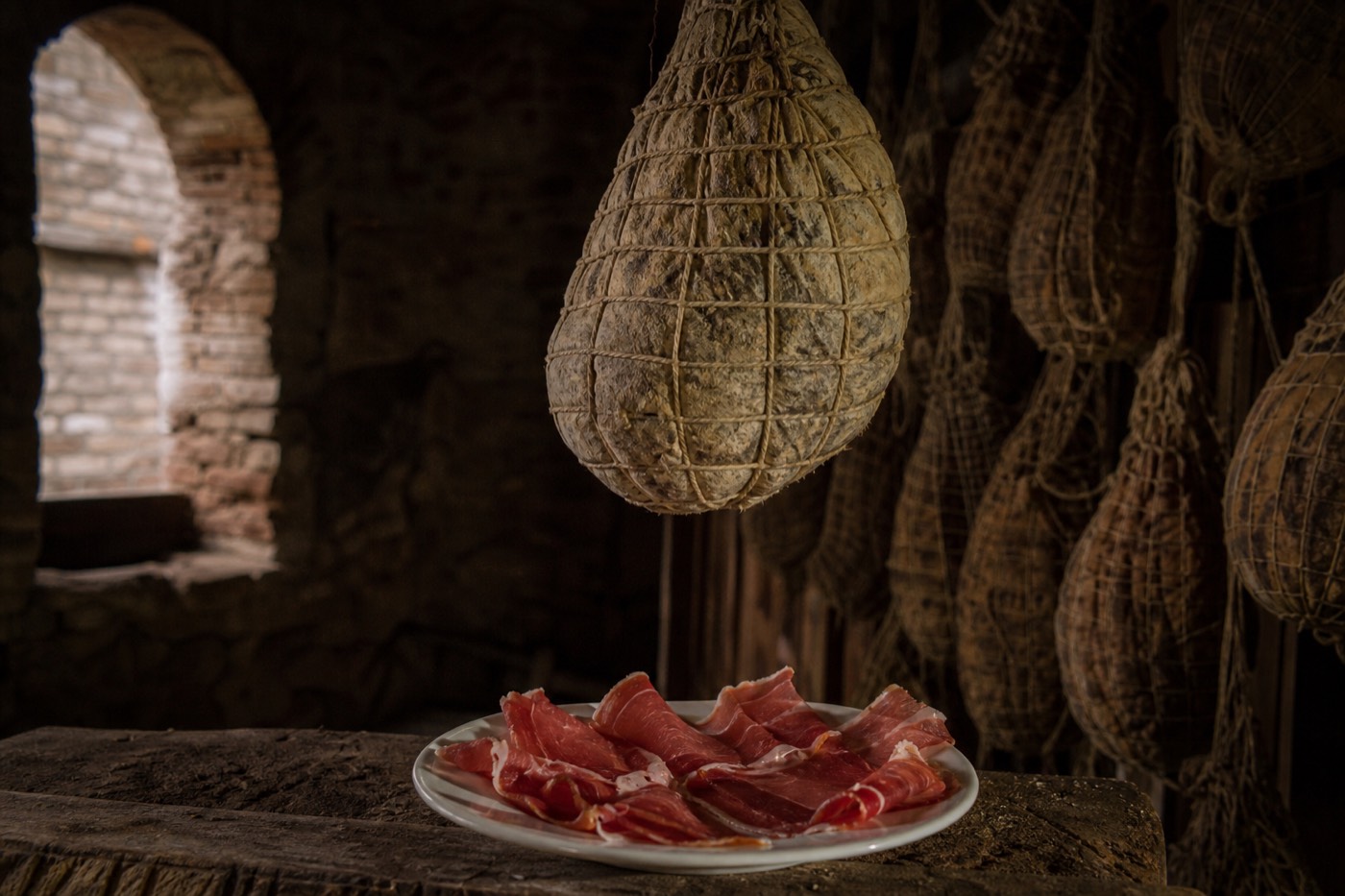
What Is Culatello Di Zibello?
Culatello di Zibello is a DOP-protected cured meat made from a specific cut of pork leg, produced and aged in the area around Zibello near Parma, and widely considered one of Italy's most prized cured meats. It shows up on most Parma food-tour tasting boards for exactly that reason: it's a step above the more familiar Prosciutto di Parma in both rarity and price, and it's genuinely hard to find outside the region it comes from. The name itself comes from the town of Zibello, a small village along the Po River, which is also where the tightest concentration of traditional producers still operate.
At A Glance: Taste Culatello on a Parma walk that names it among its inclusions. Explore Parma Artisan Food Walk
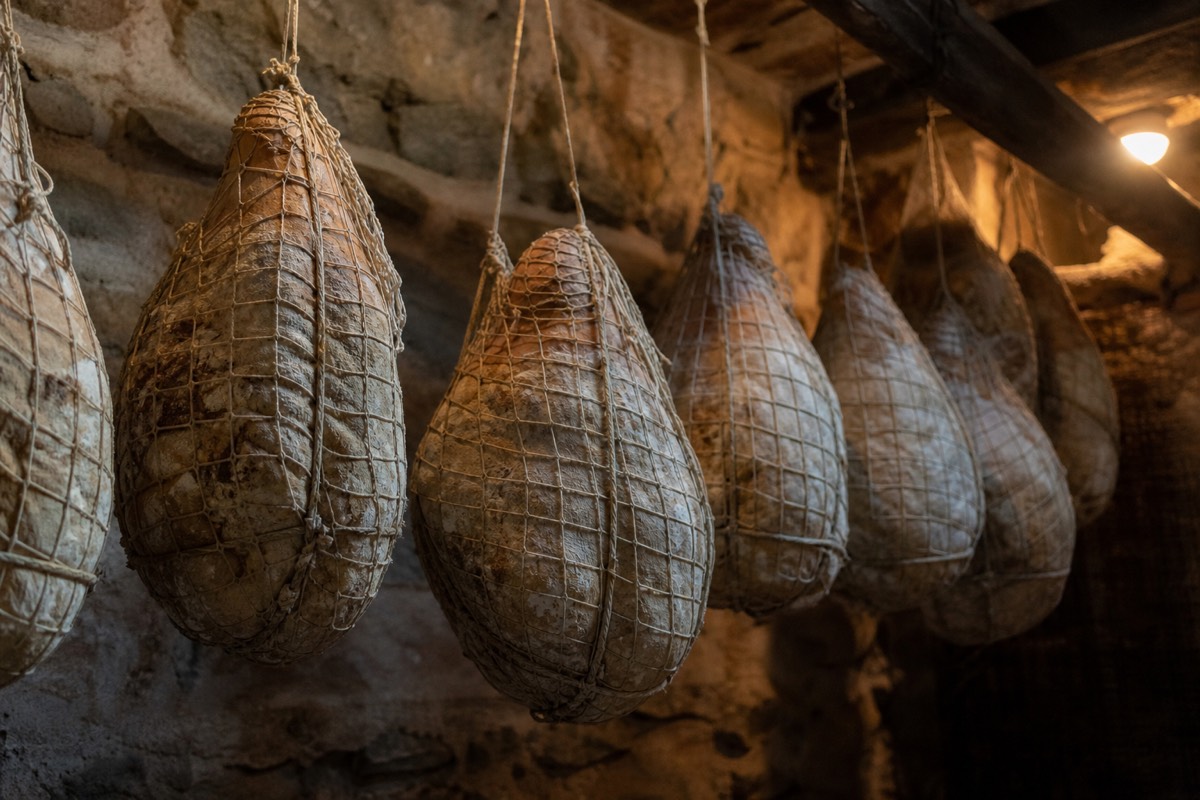
Like Parmigiano Reggiano and Prosciutto di Parma, Culatello's DOP status ties it to a defined geographic area, specifically the low-lying, foggy zone around Zibello along the Po River near Parma. That environment isn't incidental. The natural humidity of the Po Valley plays a real role in how the meat cures and develops its flavor over time, which is part of why Culatello production has stayed concentrated in this specific area rather than spreading more widely.
How Is Culatello Different From Prosciutto?
Prosciutto di Parma is made from the whole pork leg, bone in, cured and air-dried as one large piece. Culatello comes from a smaller, more selective cut of that same leg, typically boned and tied into its own natural casing rather than left on the bone, then aged for an extended period in cellars where the Po Valley's natural fog and humidity shape the curing process. That more selective cut and different casing method are a big part of why Culatello has a reputation as a more delicate, more prized product than standard prosciutto, and why it commands a higher price and a smaller production volume. Because production stays concentrated in that specific Po Valley microclimate, and each piece needs a long aging window before it's ready, output is naturally limited compared with Prosciutto di Parma, which is made across a much wider designated zone. That scale difference, as much as tradition, is a big part of why Culatello costs more and shows up less often outside its home region.
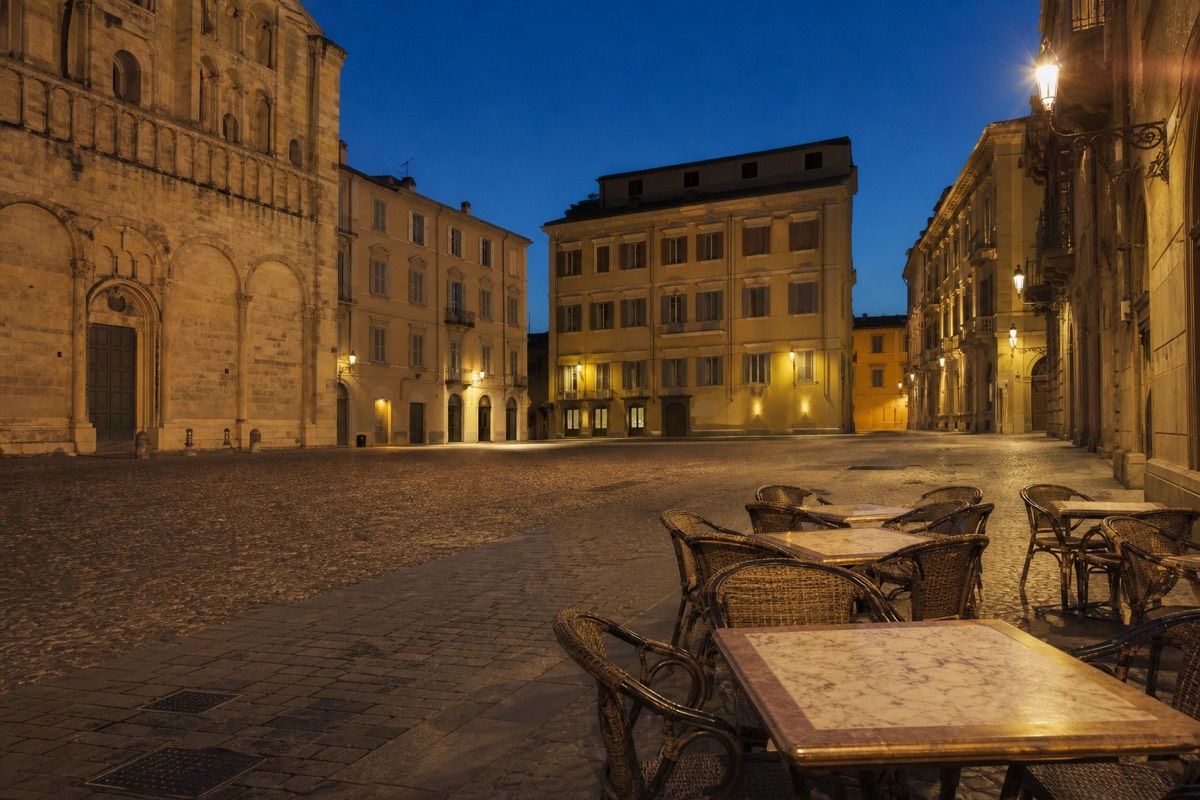
On a typical Parma food tour, Culatello usually appears as one tasting among several cured meats rather than the centerpiece, alongside Prosciutto di Parma and local salami and coppa, which gives you a direct side-by-side comparison. That contrast is often the easiest way to actually understand the difference, more than any written description can convey. Our Prosciutto di Parma ham tours guide covers the more familiar half of that comparison in depth, and our what to eat in Parma guide places Culatello in the wider context of the region's other DOP products.
How Is Culatello Traditionally Served?
Culatello is almost always served thin-sliced and on its own, without much else on the plate, so the meat's flavor and texture aren't competing with anything. That's different from how some other cured meats get plated, and it's part of why a good Culatello tasting can feel more like a wine tasting than a snack.
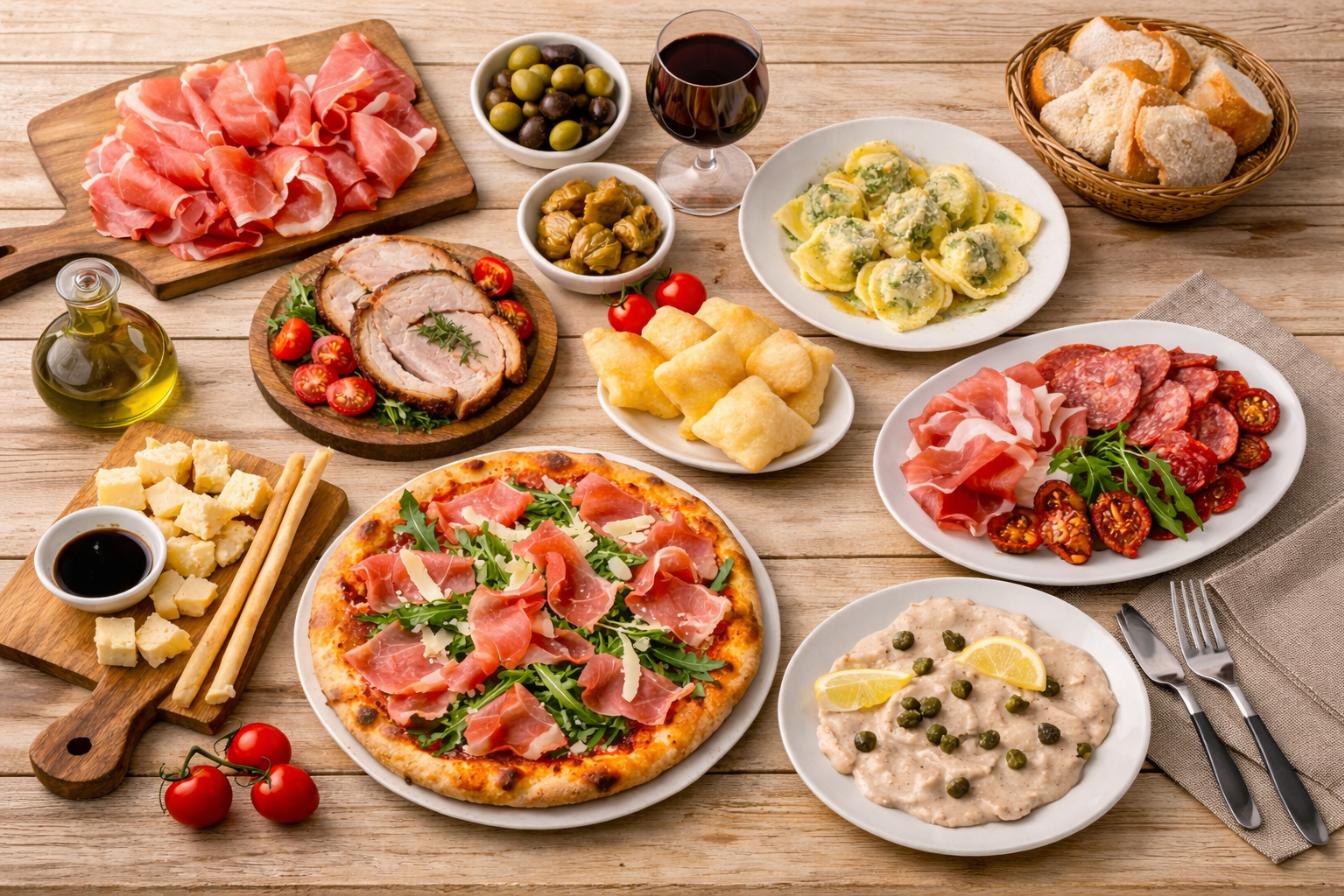
The slices are cut thin, closer to translucent than to a typical deli-style cut, which lets the fat render against your tongue rather than needing to be chewed through. That thinness is a practical requirement as much as a style choice: a denser, more selective cut like Culatello is easier to overwhelm with a thick slice than a larger, less delicate cut of prosciutto would be. Bread is the most common accompaniment, plain crusty bread that doesn't compete with the meat, though in the region it's also traditionally paired with fried dough, gnocco fritto or torta fritta depending on which side of the province you're in, a pairing built for cured meats generally rather than specific to Culatello. Wine pairing tends toward something with enough acidity to cut through the fat, typically a local red like Lambrusco, rather than anything heavy or oaky that would fight the delicate flavor. Serving temperature matters more than it might seem, too. Culatello is best tasted closer to room temperature than straight from the fridge, since the fat that makes it distinctive doesn't show its texture properly when it's cold and firm, which is why most producers and delis rest a freshly cut piece for a while before serving it.
On a tasting board, Culatello is usually presented as its own distinct course rather than mixed in with the other cured meats, precisely so you notice how different it is from Prosciutto di Parma or salami sitting next to it. If you want to try it beyond a guided tour, our best restaurants in Parma guide points to places that still serve it this way.
Culatello is not guaranteed on every general food tour. Both Parma Artisan Food Walk and Private Parma Tasting Walk explicitly include it in their listed tasting experience. The private walk also offers different food-payment options, so check the option you select.