Prosciutto Di Parma Ham Tours: Where To See It Made
Prosciutto di Parma is made in curing facilities around Langhirano, just outside Parma, and the only way to see the salting rooms and aging chambers is through a booked tour. Here is what that visit actually looks like.
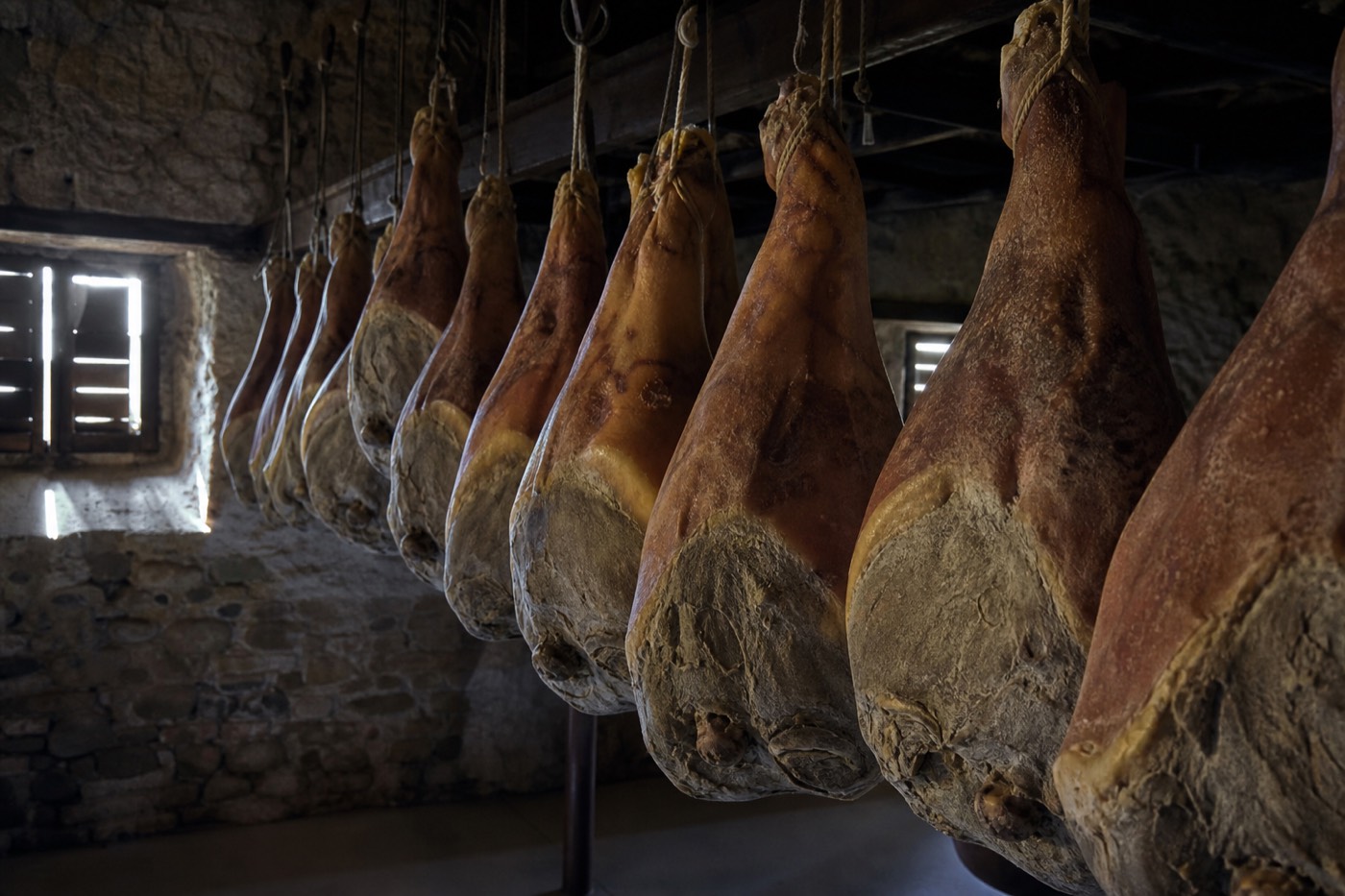
Prosciutto di Parma gets treated as a menu item more often than a production process, which is a shame, because the process is the more interesting half of the story. The legs that end up sliced paper-thin on a plate spent a year or more hanging in a specific climate, salted by hand, tested by a trained nose before they earned the crown-shaped mark that makes them legally allowed to carry the name. None of that is visible from a dinner table. It only becomes visible inside the curing rooms themselves, which is exactly what a properly booked tour gets you access to.
At A Glance: Explore the curing process at a working ham producer. Explore Private Parma Producer Day
What Does A Prosciutto Di Parma Ham Tour Actually Show You?
A ham-focused visit takes you through a working curing facility, usually in or near Langhirano, showing the meat selection and salting stage, the climate-controlled aging chambers where legs hang for months, and a tasting of the finished product, often paired with local wine.
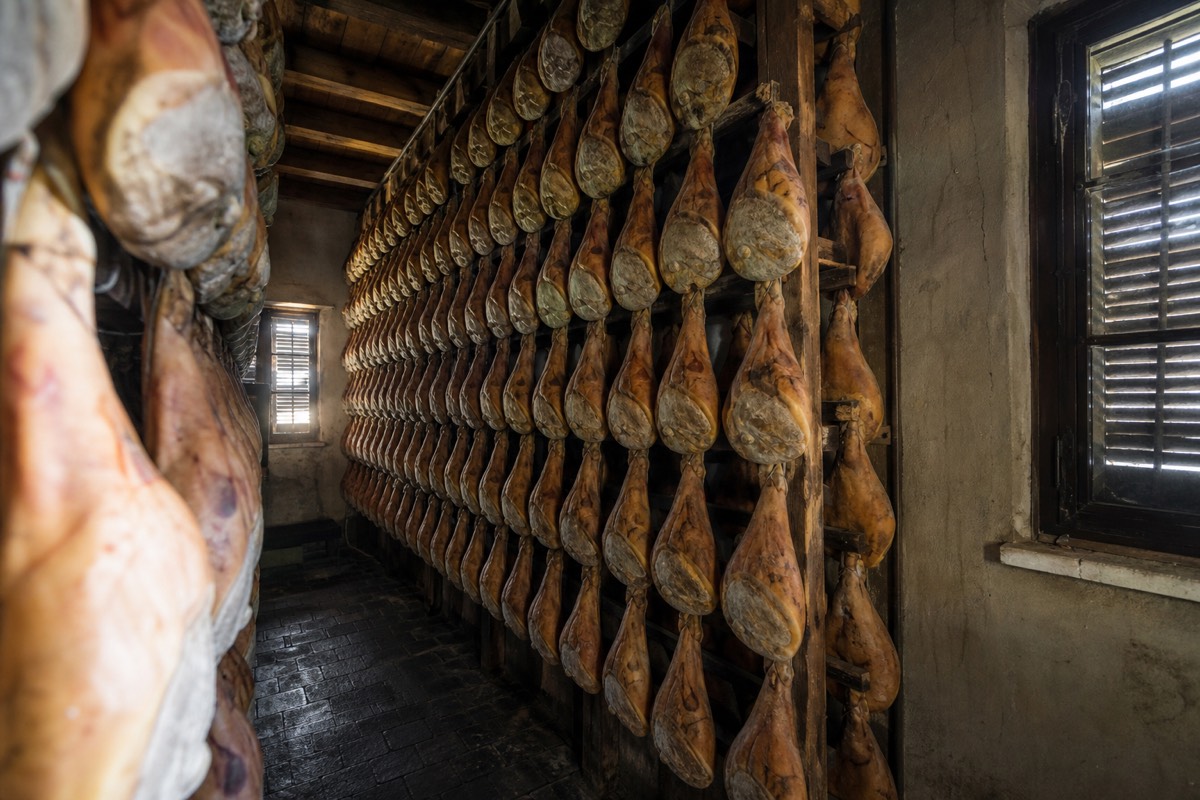
Unlike a museum exhibit, this is an active production site. Depending on when you visit, you might see fresh legs being trimmed and salted, or simply walk through chambers holding hundreds of legs at different points in their aging cycle, the air itself carrying the distinct, slightly sweet smell that Prosciutto di Parma is known for. Tours that include this stop pair it almost every time with a Parmigiano Reggiano dairy visit on the same day, since the two production processes sit only a short drive apart in the hills south of Parma.
How Is Prosciutto Di Parma Different From Generic Prosciutto?
Prosciutto di Parma is a Protected Designation of Origin (DOP) product, meaning it can legally carry that name only if it is made from specific pig breeds, cured and aged within a defined zone around Parma, using salt as the only additive, unlike generic prosciutto which can be produced anywhere with fewer restrictions.
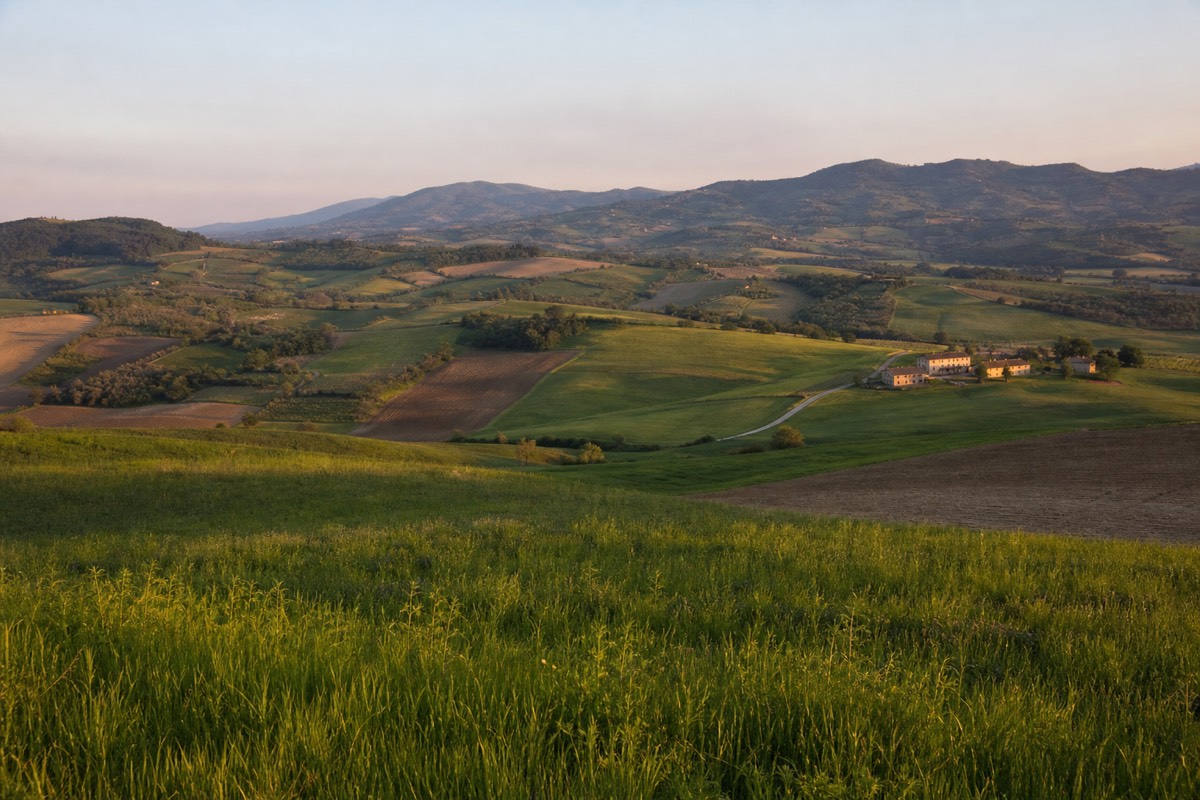
That single detail, salt as the only permitted ingredient, is what separates it from most commercial ham. No nitrates, no added sugars, no smoking. The flavor comes entirely from the pig, the salt, the climate the leg cures in, and time. The production zone itself is legally defined and limited to the hills around Parma, particularly the Langhirano area, where the specific combination of altitude, humidity, and airflow coming off the Apennines is considered essential to how the ham develops. Move the same process somewhere else and, regulation aside, the ham reportedly tastes different, which is part of why the geographic protection exists in the first place.
What Does A Curing Room Visit Actually Look Like?
Visitors typically see the "cold stage" meat selection and trimming area, watch or hear about the salting process where legs are packed in sea salt for roughly two to three weeks, and then walk through the long aging chambers where curing continues under controlled airflow.
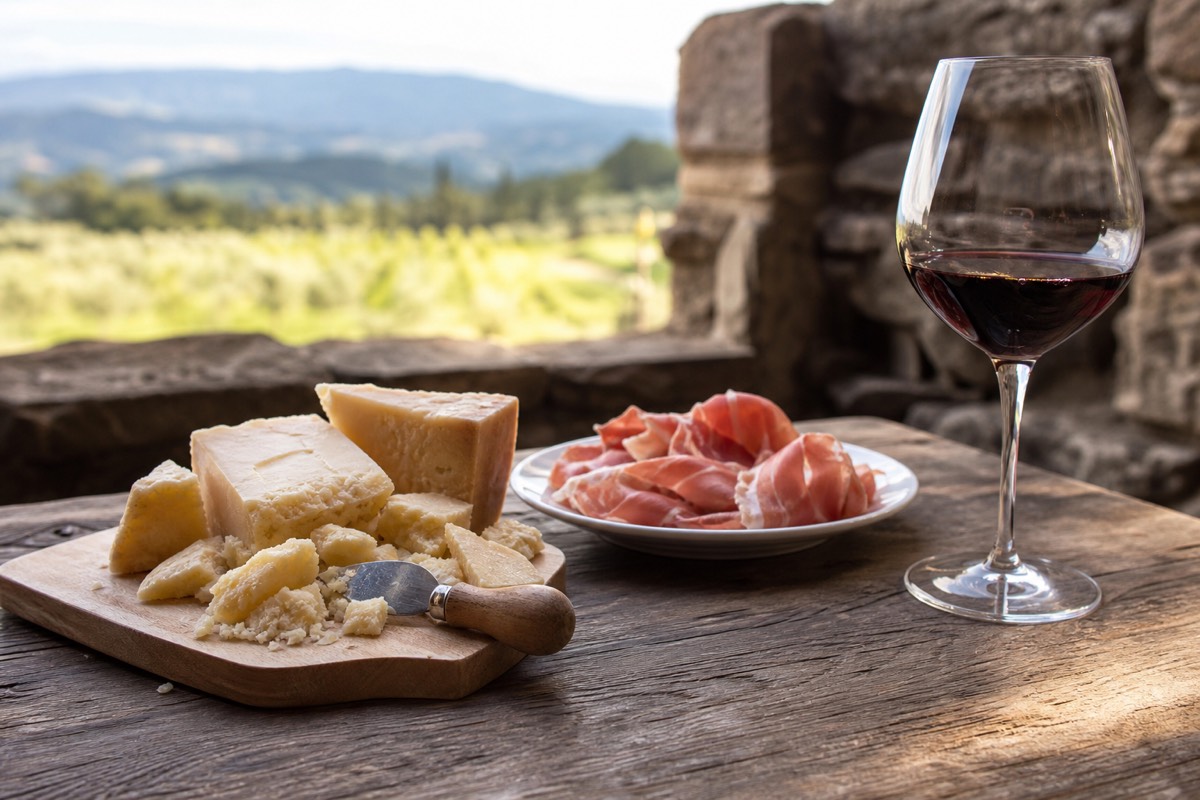
The production tours near Parma describe this in fairly consistent terms: a transition into a "cold stage" processing area for meat selection, a look at the salting machinery, and then a walk through what one tour operator calls the "airflow" aging technique, the natural or assisted ventilation that governs how the ham develops its characteristic sweetness over time. The aging chambers themselves are the visual centerpiece: rows and rows of legs hanging from wooden racks, some facilities holding hundreds of hams at various stages, all quietly losing moisture and concentrating flavor month by month.
- Meat selection and trimming in the "cold stage" area, where legs are prepared for curing.
- Dry-salting: legs are covered in sea salt and left to rest for roughly two to three weeks, drawing out moisture.
- Resting and pressing: salted legs rest under controlled temperature and humidity for several weeks before further processing.
- Aging chambers: legs hang for an extended period under managed airflow, well over a year in total from salting to the point they are ready for sale.
- Quality testing: a trained inspector uses a horse-bone needle to test the aroma at several points on the leg, a traditional method for detecting spoilage that machinery still cannot fully replace.
- The crown brand: legs that pass are marked with the five-pointed Parma crown, the official seal of Prosciutto di Parma DOP.
- Tasting: thinly sliced ham, usually paired with local wine, closes out the visit.
What Is The "Crown Of Parma" Mark, And Why Does The Quality Test Matter?
Legs that pass inspection are branded with a five-pointed crown, the official mark of Prosciutto di Parma DOP, and tours that include a production visit often show the testing process a guide describes as the moment quality gets decided before the crown goes on.
The testing method itself is centuries old and still done by trained inspectors rather than machines. A thin needle made from horse bone is inserted at several points on the leg and withdrawn, and the inspector smells it immediately, because bone-based needles absorb and release aroma in a way that lets an experienced nose detect problems deep inside the leg that no visual inspection could catch. Legs that pass get branded with the crown mark. It is a small detail to witness in person, but it is the entire reason Prosciutto di Parma has a reputation for consistency across a product that is, at its core, handmade and dependent on natural aging.
Why Is This Almost Always Paired With Parmigiano And Balsamic Vinegar On The Same Tour?
Nearly every ham-focused tour near Parma also stops at a Parmigiano Reggiano dairy, and the longer versions add a balsamic vinegar estate, because the three producers sit within a short drive of each other in the same agricultural belt south of the city.
This is a logistics reality as much as a curated theme. The dairies, the ham curing facilities in the Langhirano area, and the historic balsamic vinegar estates around Modena and Reggio Emilia are close enough together that combining them into a single half-day or full-day loop makes more sense than running three separate trips. It also happens to make sense from a tasting perspective, since these three products are traditionally eaten together on the same plate in this part of Italy anyway. Our companion guide to Parmigiano Reggiano factory tours covers the cheese half of these combined visits in more depth, including the aging-room walkthrough and the fire-branding demonstration, and our Parmigiano Reggiano vs Parmesan post explains why that DOP status matters at the shop counter too. If you have extra time in the Langhirano hills beyond a booked tour, Torrechiara Castle sits in the same countryside and is worth knowing about even though some tours include it; check whether castle admission is included.
Choose between a focused dairy visit and a longer combined producer itinerary. Current tour details and group-cost comparison are in the booking module after the guide; prices depend on your date and selected option.
Private Parma Producer Day combines the three products with a three-course lunch in eight hours. Check the transport option and current menu details before booking; it is a full-day commitment.
Is There A Prosciutto-Only Tour, Or Is It Always Paired With Something Else?
Among current listings, no tour near Parma centers on Prosciutto di Parma alone; every ham-focused option pairs it with a Parmigiano Reggiano dairy visit at minimum, and the longer formats add balsamic vinegar and a trattoria lunch.
The producer options recommended here combine ham with other stops, including cheese. If cheese is the main interest and you want a shorter outing, Parma Cheese Factory Visit focuses on a dairy and tasting instead of a ham circuit. Related reading: Parmigiano Reggiano factory tours in Parma.
Where Do These Tours Meet, And How Far Is The Drive To Langhirano?
Most ham-focused tours meet at a central point in Parma, such as a train-station-adjacent hotel or a well-known café, before a van transfer that runs roughly ten to twelve minutes for tours based close to the city, or up to forty minutes on full-day loops that also swing through Reggio Emilia or a balsamic vinegar estate.
Langhirano itself sits south of Parma in the foothills, and it is the town most closely associated with Prosciutto di Parma curing, though several individual facilities used for tours are scattered through the surrounding hills rather than concentrated in the town center. Because pickup times and locations vary by operator, and some tours offer multiple morning departure slots, it is worth checking the specific meeting point on your confirmation rather than assuming it matches a different tour you may have researched.
What Group Size And Guide Style Should You Expect?
These tours typically run in small groups of around six to twelve travelers with one guide, and private versions are available for couples or families who prefer a dedicated guide and a more flexible pace through the factory stops.
A private format can make it easier for your party to ask questions together. Private Parma Producer Day requires at least two participants. Compare the total for your group and chosen transport option; private does not automatically mean a higher cost per person for every party size.
How Long Does A Ham-Focused Tour Take, And What's Included?
Combined cheese-and-ham tours typically run four hours, while the fuller versions that add balsamic vinegar and a sit-down lunch run closer to seven hours; both formats include round-trip transport, factory entry, and a tasting.
Transport matters more here than on a walking-only tour, because Langhirano's ham-curing district is a genuine drive from central Parma, roughly ten to twelve minutes by van from the train-station area depending on the specific facility, with additional time if the loop also includes a Parmigiano dairy in a different direction. Every version reviewed here includes round-trip van transport from a designated meeting point, factory entry tickets, and a guided tasting, so the main variable between options is how many stops and how much sit-down food gets added on top.
Is The Balsamic Vinegar Add-On Worth The Extra Time And Cost?
If your interest is specifically Prosciutto di Parma and Parmigiano Reggiano, the shorter four-hour combined tour covers both efficiently at $157; the balsamic vinegar and trattoria lunch add-on is worth the jump to seven hours and $245 mainly if you also want a full sit-down meal and a look at a historic acetaia included in the same day.
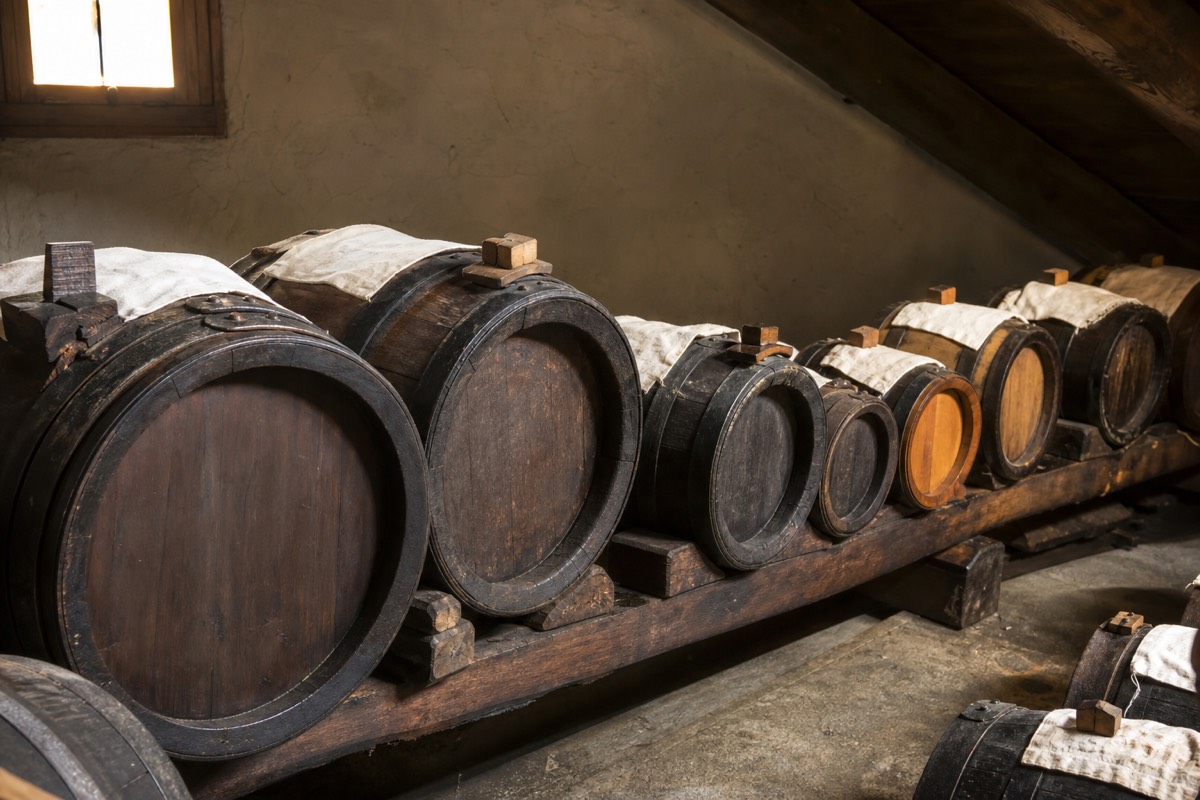
The balsamic stop is a genuinely different kind of visit from the cheese and ham factories, since it centers on a historic estate rather than an industrial-scale production facility, and the vinegar itself ages for years in a sequence of progressively smaller wooden barrels in an attic space rather than a climate-controlled warehouse. It is a worthwhile addition if you have the time, but it is also the part of the day most easily skipped without losing the core Parmigiano-and-Prosciutto experience this guide focuses on.
How Does Prosciutto Di Parma Compare To Culatello Di Zibello?
Both are DOP cured meats from the same broader region, but Culatello di Zibello is made from just the prized muscle of the pig's rear leg, aged in the fog of the Po Valley, and considered by many Italian food authorities to be the finest cured meat in the country, distinct from and generally rarer than Prosciutto di Parma.
Where Prosciutto di Parma uses the whole leg, bone in, Culatello is made from a smaller, more selective cut, which is part of why it commands a reputation, and often a price, above standard prosciutto. The two are not interchangeable, and a tour built around Prosciutto di Parma production will not necessarily include Culatello tasting, since Culatello production is centered further north near Zibello rather than in the Langhirano hills. If Culatello specifically interests you, our guide on what Culatello di Zibello actually is covers it in more depth, and salumerias around Parma's Duomo are generally the more reliable place to taste it without a dedicated countryside tour.
Does Weather Affect A Ham-Focused Tour?
Not much: curing rooms and factory floors are indoor, climate-controlled spaces by necessity, so the tours themselves run regardless of outside conditions; the more noticeable seasonal effect is on the countryside drive between stops, more comfortable in spring and early autumn than during summer heat or winter fog.
Summers in the Parma area run hot and humid, with average highs near 30°C and occasional heatwaves well above that, which can make the van ride and any brief outdoor walking between buildings less pleasant, though it does not affect the curing chambers themselves. Winter brings the Po Valley's characteristic fog, especially heavy from November through March, which can slow travel between stops slightly but rarely causes cancellations. If your dates are flexible, May, September, and October offer the mildest combination of temperature and visibility for the drive itself.
What Should You Wear And Expect Physically?
Closed-toed shoes are required, since curing and factory floors are treated as work environments, and the tour involves a mix of walking indoors on cool, climate-controlled floors and short van transfers between stops.
The aging chambers themselves tend to run cooler and more humid than the outside air, by design, since that climate is exactly what the curing process depends on. A light layer helps even in warmer months. Strollers and large bags are generally not permitted inside the production facilities, so travel light, and if you are prone to strong smells being an issue, be aware that curing and aging rooms carry a noticeably concentrated meat aroma that some visitors find more intense than expected.
Who Should Skip This Tour?
Vegetarians and vegans get little out of a ham-focused visit beyond the historical and production interest, and travelers with mobility impairments should check accessibility notes closely, since several of these tours are explicitly not wheelchair accessible due to factory floor conditions.
Private Parma Tasting Walk offers a broader city tasting route instead of a ham-factory visit. Vegetarian adaptations require advance notice, and the tour is not vegan. If you only have a couple of hours, independent city sightseeing may fit better than the listed three-hour experience. Related reading: things to do in Parma.
Can You Visit A Prosciutto Di Parma Producer Independently?
Not directly. Curing and aging facilities are working production sites on managed schedules, not open-door visitor attractions, so the only realistic way to see the salting rooms and hanging chambers in person is through a booked tour.
What you can do independently in Parma itself is taste the finished product without a factory visit at all: the historic center's specialist salumerias sell Prosciutto di Parma by the slice with no reservation needed, alongside Culatello di Zibello and other regional cured meats. Our guide to where locals actually eat in Parma covers those counter-tasting options in more detail, and our broader what to eat in Parma guide runs through the full product list beyond just ham. The Musei del Cibo food museum network, which includes a dedicated Prosciutto museum near Langhirano alongside the Academia Barilla site, is also worth checking for opening hours if a self-guided museum stop appeals more than a factory visit. For general regional planning, the official Emilia-Romagna tourism page for Parma is a useful starting point too.
Is Prosciutto Di Parma Smoked?
No. Prosciutto di Parma is dry-cured, never smoked; the DOP rules limit ingredients to pork and sea salt, so the smoky character sometimes associated with "ham" in other food traditions simply does not apply here.
This is a common point of confusion for travelers used to smoked hams from other cuisines. The flavor in Prosciutto di Parma comes entirely from the quality of the pork, the salt-curing process, and the length and conditions of aging, not from any smoking step. That is also part of what makes the DOP protection meaningful: it is not just a geographic label, it is a guarantee about method, and smoking is explicitly outside that method.
Can You Buy Prosciutto Di Parma To Bring Home?
Yes, vacuum-sealed sliced or whole-muscle prosciutto is widely available at delis and salumerias in Parma, though international customs rules on bringing pork products into some countries, notably the United States, can restrict what you are legally able to bring back, so it is worth checking current rules for your destination before buying a large quantity.
Within the European Union, moving cured pork products between countries is generally straightforward. Outside the EU, rules vary widely and change periodically, so this is genuinely worth a quick check against your home country's current customs guidance rather than assuming it will be fine. If bringing cheese and ham home together interests you, our companion guide to Parmigiano Reggiano factory tours covers the same customs consideration for cheese.
How Does This Fit Into A Wider Parma Trip?
Most travelers treat a ham tour as one half of a combined cheese-and-ham day, then spend remaining time in the historic center; if you are coming from Milan, Bologna, or Florence, factor the train journey into how much of a single day you can realistically give to a countryside tour.
Our guide on how to get to Parma from Milan, Florence, or Bologna covers the realistic train timings if you are day-tripping in for a factory visit. And if the whole idea of a Food Valley circuit interests you beyond just Parma, our Bologna, Modena, Parma Food Valley guide maps out how the three cities' specialties, including Prosciutto, Parmigiano, and balsamic vinegar, connect across the region.