Torrechiara Castle: Is It Worth The Trip From Parma?
A fifteenth-century castle built for a mistress, with a frescoed room most visitors to Parma never hear about. Here is what it actually takes to get there, what you'll see, and whether it earns the half-day.
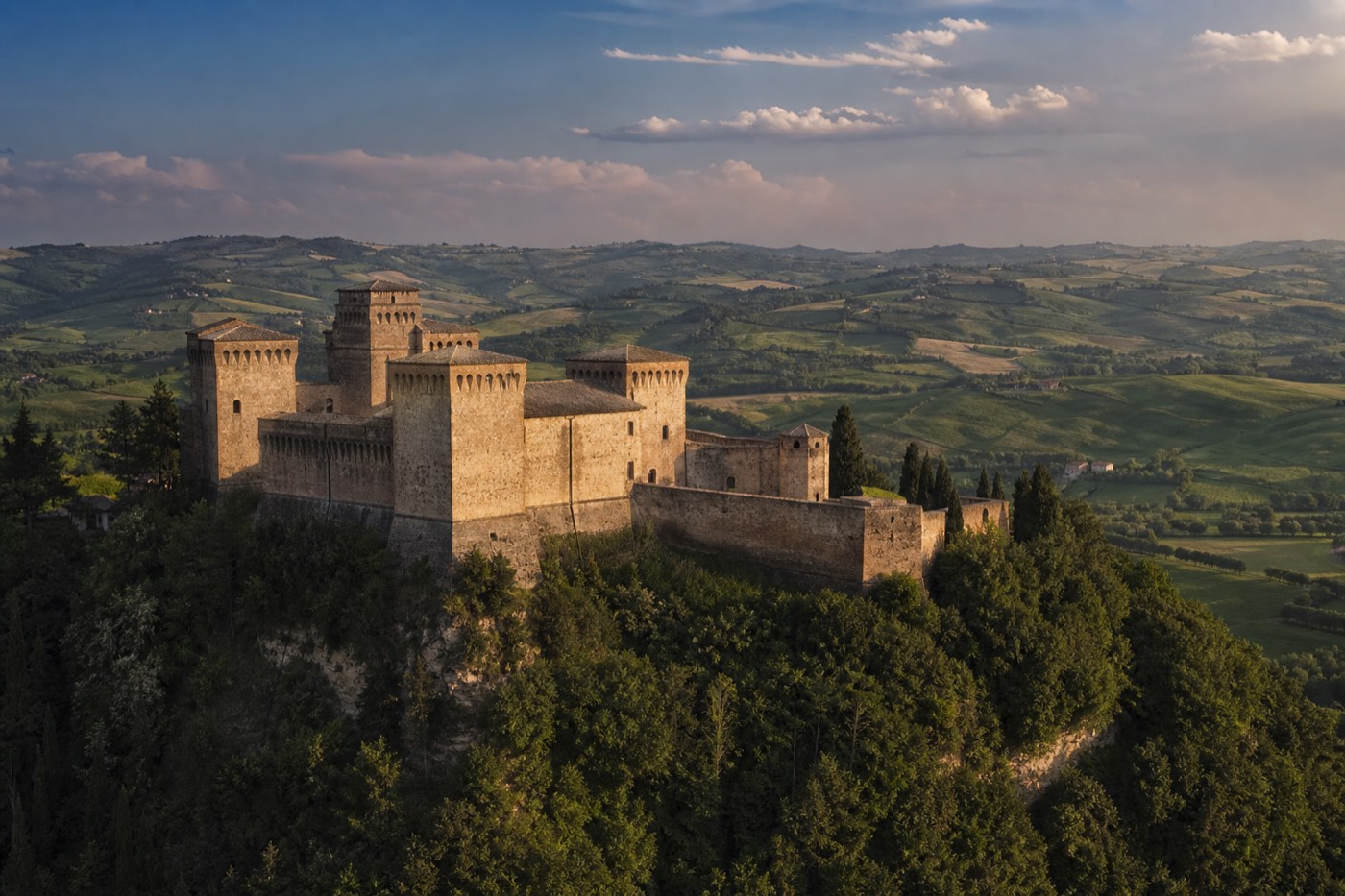
Most people who fly into Parma for the food never make it twenty kilometers further south, which is a little strange, because that’s exactly where one of Emilia-Romagna’s best-preserved castles sits, up in the same hills where Prosciutto di Parma has been cured for centuries. Castello di Torrechiara doesn’t show up on the standard Parma itinerary the way the Cathedral or Palazzo della Pilotta does, and that’s part of the appeal: it’s a real, working piece of Renaissance history with almost none of the crowd.
At A Glance: Combine castle admission and two producer visits. Explore Torrechiara Castle And Producer Tour
It also isn’t the kind of place you stumble onto by accident. Getting there takes a plan, whether that’s a rental car, an hourly bus, or a taxi, and the castle itself sits on a hilltop with no town of any size immediately surrounding it, which is part of why it stays quiet even in the busier summer months when central Parma’s piazzas fill up. That combination, genuine historical weight and low foot traffic, is unusual enough in this part of Italy that it’s worth walking through exactly what a visit involves before deciding whether it earns a slot in your itinerary.
Is Torrechiara Castle Worth Visiting From Parma?
Yes, if you have half a day and an interest in Renaissance history: Torrechiara is one of the best-preserved castles in Emilia-Romagna, with a frescoed chamber, the Camera d’Oro, that ranks among the region’s more significant Gothic artworks, and it sits in the same hill country as Parma’s prosciutto-curing district. It is not a quick add-on to a city-center afternoon. Between the drive or bus ride, the visit itself, and the return trip, it realistically takes three to four hours out of a day, so it suits travelers with an extra day in the area more than a tight one-day Parma stop. If your whole trip is a single day in the historic center, our one day in Parma itinerary is a better fit; if you have a second day free, Torrechiara is one of the stronger reasons to use it on the countryside rather than a second lap of the city.
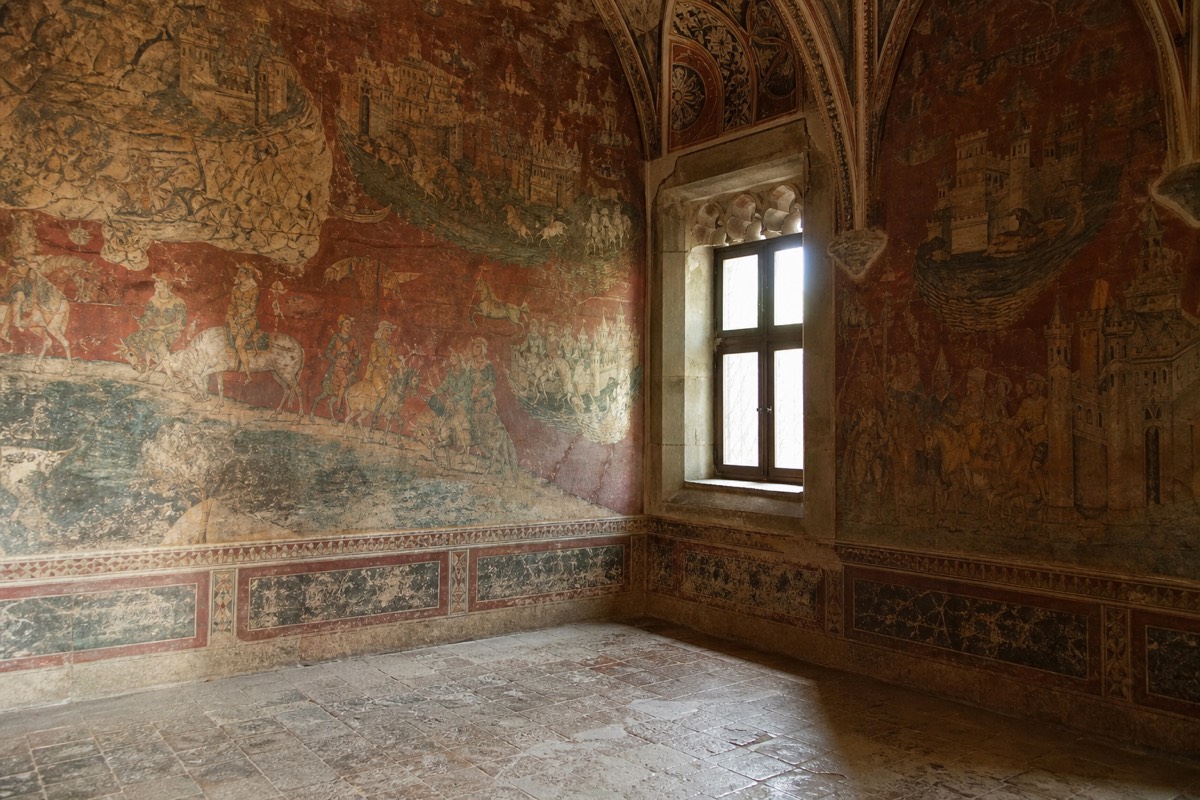
What makes it worth the trip specifically, rather than just a generic "castle nearby," comes down to two things: preservation and story. A lot of medieval fortresses in this part of Italy survive as ruins or heavily restored shells, but Torrechiara’s interior rooms, walls, and towers are largely intact, which is unusual for a structure this old. And unlike a castle built purely for defense, this one carries a documented personal history behind its most famous room, which gives a guided or audio-guided walkthrough more narrative pull than a typical stone-walls-and-battlements visit. If your interest in Parma is purely culinary, that context matters less; if you like your travel days to include one thing you’ll actually remember the story of afterward, this is that stop.
What Is Castello Di Torrechiara, And Who Built It?
Torrechiara was built between 1448 and 1460 by Count Pier Maria Rossi, a powerful local lord, as a residence for his mistress, the noblewoman Bianca Pellegrini d’Arluno. That origin story shapes almost everything about the place. Unlike a purely military fortress, Torrechiara was designed to impress as much as to defend, which is why it combines genuine medieval defenses, three protective walls and four corner towers set on a hilltop over the Parma stream valley, with interior decoration that’s unusually personal and romantic for a fifteenth-century Italian castle. The Rossi family controlled a network of castles across this part of Emilia-Romagna, and Torrechiara was the one built specifically as a love letter in stone, which is a large part of why it still draws attention from art historians today.
What's Actually Inside: The Camera D'Oro And The Other Frescoed Rooms
The castle's centerpiece is the Camera d'Oro, or Golden Chamber, a room covered in Gothic frescoes attributed to the painter Benedetto Bembo, depicting Bianca Pellegrini's allegorical journey through the Rossi family's various estates. It's an unusual thing to find inside a fortress: an entire room dedicated to telling the story of a love affair through painted scenery, rendered in the ornate, slightly stylized Gothic manner typical of northern Italian court painting in this period. Beyond the Camera d'Oro, other rooms carry a different, later style of decoration, "grotesque" frescoes painted by Cesare Baglione and collaborators, including the Hall of Coats of Arms, the Hall of Jupiter, and the Hall of Acrobats, each with its own decorative theme. The contrast between the intimate, narrative Camera d'Oro and the more theatrical grotesque rooms is part of what makes a full walkthrough worth the time rather than a five-minute glance at a single famous room.
Torrechiara also belongs to a wider network sometimes marketed as the Castles of the Duchy of Parma, Piacenza and Pontremoli, a regional trail of historic fortresses built by families like the Rossi across these same hills over several centuries. Most travelers won't have time to see more than one on a single trip, but it's useful context for why this particular stretch of countryside has so many castles concentrated in a relatively small area: it was contested, defensible high ground between competing noble families for generations before it settled into the quieter agricultural region it is today.
How Far Is It From Parma, And How Do You Get There Without A Car?
Torrechiara sits roughly 20 kilometers south of Parma, in the comune of Langhirano; the TEP bus line 12 runs from central Parma to the "Torrechiara" stop in about 50 minutes, roughly hourly, or it's a 30-to-40-minute drive on secondary roads through the hills.
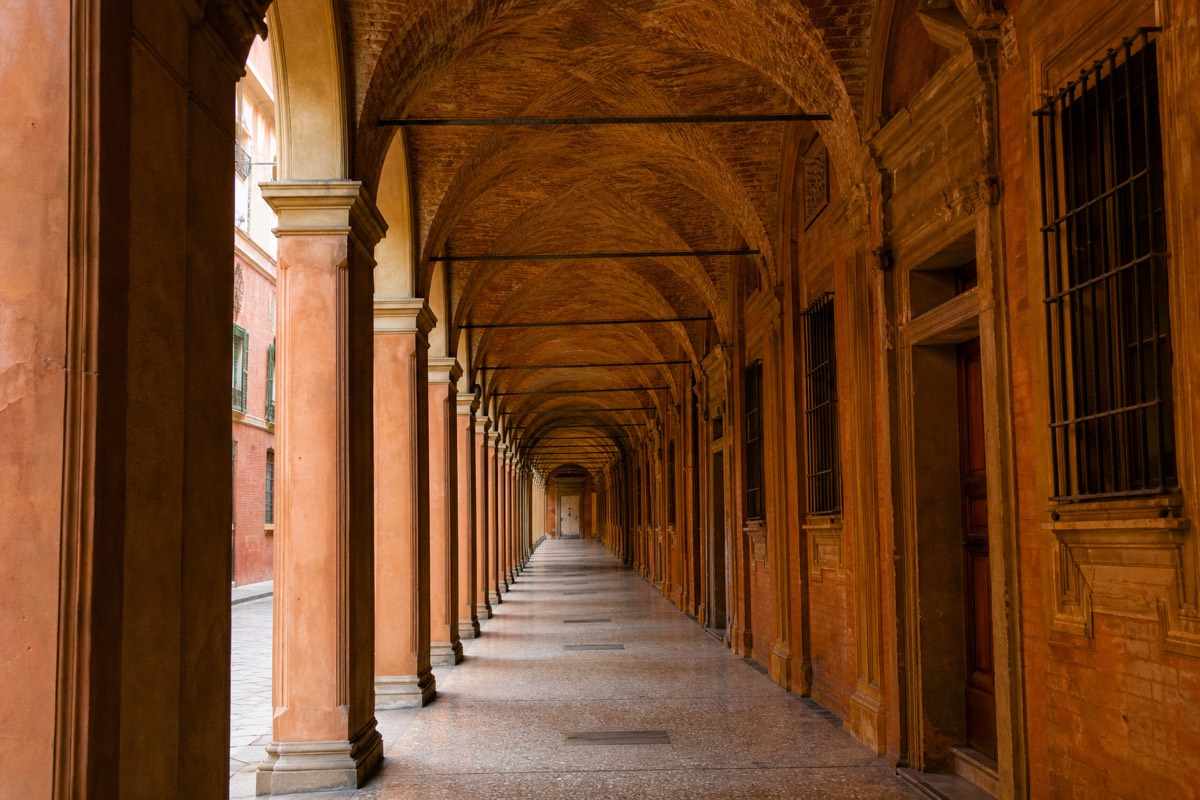
The bus is the realistic option if you're traveling without a rental car, which describes most visitors flying into Milan or Bologna and training into Parma. TEP's line 12 covers the route, and the timetable is published at tep.pr.it; because departures run roughly once an hour rather than every few minutes, it's worth checking the schedule before you set out so the return trip doesn't strand you waiting far longer than planned. A taxi is the other option for a more direct, less schedule-dependent trip, though it costs meaningfully more than the bus fare.
Drivers should note that while the straight-line distance is short, the roads climbing into the Langhirano hills are narrow and winding rather than highway-speed, which is why the drive takes closer to 30 to 40 minutes despite the modest distance. The approach road itself, winding up through vineyards and farmland with the towers coming into view before the rest of the building does, is part of the experience rather than just a means of getting there. If you're combining the visit with a booked producer tour on the same day, confirm with your tour operator whether their return transport allows a flexible drop-off point, since most tour vans are scheduled to return directly to central Parma rather than detour to the castle.
What Are The Opening Hours And Ticket Prices?
Torrechiara is open Tuesday to Friday from 9:00 to 15:00 and Saturday, Sunday and public holidays from 11:00 to 17:00, closed Mondays; full admission is 8 euros, with reduced rates for groups and younger visitors.
| Category | Price |
|---|---|
| Full price | €8 |
| Groups (10–30 adults) | €6 per person |
| Ages 18–25 | €2 |
| Under 18 | Free |
| First Sunday of every month | Free for everyone |
Last entry and the ticket office both close 30 minutes before the posted closing time, so plan to arrive with a buffer rather than right at the wire. The castle is also closed on January 1 and December 25. Tickets can be bought at the on-site ticket office or in advance through the regional museums' Ticka booking platform, and the castle's own ticket office can be reached at +39 0521 355255 for questions. For current hours and any seasonal changes, the official Direzione Regionale Musei Emilia-Romagna page for Torrechiara is the most reliable source to check before you go.
Do You Need To Book Ahead?
Reservations are compulsory on Sundays and public holidays, even for individual visitors, while weekday visits generally don't require booking ahead; groups need to reserve in advance on any day of the week.
This is easy to miss if you're planning a spontaneous countryside day, and it's the kind of detail that can turn into a wasted bus trip if you show up on a Sunday without a reservation. If your visit falls on a weekend, book through the Ticka platform before you leave Parma rather than relying on walk-up availability. Weekday visits, particularly the quieter Tuesday-to-Friday morning hours, are the more relaxed option if your schedule allows it, both for booking flexibility and for having more of the frescoed rooms to yourself.
Is Torrechiara Wheelchair Accessible, And Is There An Audio Guide?
Yes to both: an elevator makes most of the castle, including the ground floor and first floor, wheelchair accessible, with only the kitchen, chapel, and loggia off limits, and a free audio guide covering the visit in about half an hour is available through the Raiplay app.
That's a genuinely useful pair of details most general Parma travel guides skip, and it's worth knowing before you go rather than discovering on arrival. Visitors using a wheelchair should note that some passages still need assistance, so traveling with a companion is recommended rather than assumed unnecessary. For everyone else, the combination of the Raiplay audio guide and the printed information panels in each room means a self-guided visit doesn't leave you reading a dry information card and guessing at context, unlike some smaller regional sites that offer little beyond the rooms themselves.
Castle access does not establish accessibility of the entire producer tour. Confirm the full route with the operator.
Is Torrechiara Connected To Parma's Food Tours?
Not directly. The castle-and-producer tour recommended below includes an entry ticket to Torrechiara Castle, but the castle sits inside the comune of Langhirano, the same hill town most closely associated with Prosciutto di Parma curing, so the two make a natural pairing on a countryside day even though you'd book them separately.
This is worth being clear about rather than implying more overlap than there is: a Prosciutto di Parma production tour takes you through a working curing facility with a guide and transport included, while Torrechiara is a self-guided (or optionally group-guided) museum visit you'd arrange on your own, by bus, taxi, or rental car. The combined option includes both; separate visits remain possible. Langhirano's curing houses and Torrechiara's hilltop sit close enough together that travelers who've already booked a ham-focused tour, covered in our Prosciutto di Parma ham tours guide, sometimes extend the same countryside day with a self-guided stop at the castle, particularly if their tour's return transport allows for a flexible drop-off or they've arranged their own car for the day.
How Much Time Should You Set Aside?
Budget three to four hours total from central Parma and back if you're taking the bus, including roughly 45 minutes to an hour inside the castle itself; drivers can trim the round trip closer to two and a half hours.
The castle interior itself doesn't take long to see properly, the frescoed rooms and the courtyard together run somewhere between 45 minutes and an hour for most visitors, longer if you linger over the Camera d'Oro or take the audio guide slowly. The real time cost is transport: an hourly bus schedule means you're planning around departure times rather than your own pace, and a missed return bus can turn a half-day trip into most of a day. Anyone renting a car for the day has more flexibility to combine Torrechiara with a nearby stop, such as a quick drive through Langhirano itself, without being tied to a fixed timetable.
Best Time Of Year To Visit
Spring and early autumn offer the most comfortable conditions for the hillside approach and the walk around the castle's exterior walls; winter brings the Po Valley's characteristic fog, which can soften visibility on the drive or bus ride without typically closing the castle itself.
Summers in this part of Emilia-Romagna run hot and humid, which makes the uphill approach to the castle less pleasant, though the frescoed interior rooms stay relatively cool. Winter fog is heaviest from November through March and can make the countryside views from the castle walls disappointing on a bad day, even though the building itself remains open on its normal winter schedule. Our broader best time to visit Parma guide covers the seasonal patterns for the wider area in more depth, and the same guidance largely holds for a Torrechiara day trip.
What Should You Wear And Bring?
Comfortable walking shoes are the main requirement, since the castle involves stone stairs, uneven floors in some of the older sections, and a walk around the exterior walls; a light layer helps even in warmer months, as the stone interior rooms stay noticeably cooler than the courtyard.
Bring cash or a card for tickets and the audio guide deposit if one applies, and download the Raiplay app before you leave Parma if you plan to use the free audio guide, since signal in the hills isn't always reliable enough to rely on downloading it on arrival. Photography is generally permitted in the public rooms, though flash photography around centuries-old frescoes is typically discouraged for preservation reasons, so check posted signage once you're inside rather than assuming full flash access.
Who Should Skip This Trip?
Travelers with only one day in Parma, anyone without much interest in Renaissance art or castle architecture, and anyone uncomfortable with an hourly, schedule-dependent bus connection are all better served spending that half-day elsewhere.
If your Parma time is limited to a single day, the historic center itself, covered in our things to do in Parma guide, or a booked producer tour will make better use of the hours than a countryside trip built around one specific building. Torrechiara rewards travelers who already have the essentials covered and are looking for something the standard itinerary skips, not travelers trying to fit everything into a single tight day.
If you only want the castle, keep the independent plan above; this tour also includes food producers.
What Else Is Nearby In Langhirano?
Langhirano is the town most closely associated with Prosciutto di Parma curing, home to the Prosciutto museum in the Musei del Cibo network, though the town center itself is a modest working town rather than a tourist destination in its own right.
Most visitors treat Langhirano as a pass-through on the way to either a ham-production tour or the castle rather than a destination to linger in, since the working curing facilities that make the area significant aren't generally open to walk-in visitors, and the town center doesn't carry the historic-center appeal of Parma itself. If a self-guided food museum stop appeals alongside the castle, the Prosciutto museum is worth checking for current opening days before you build it into the same trip, since small regional museums in Italy often keep limited weekly hours.
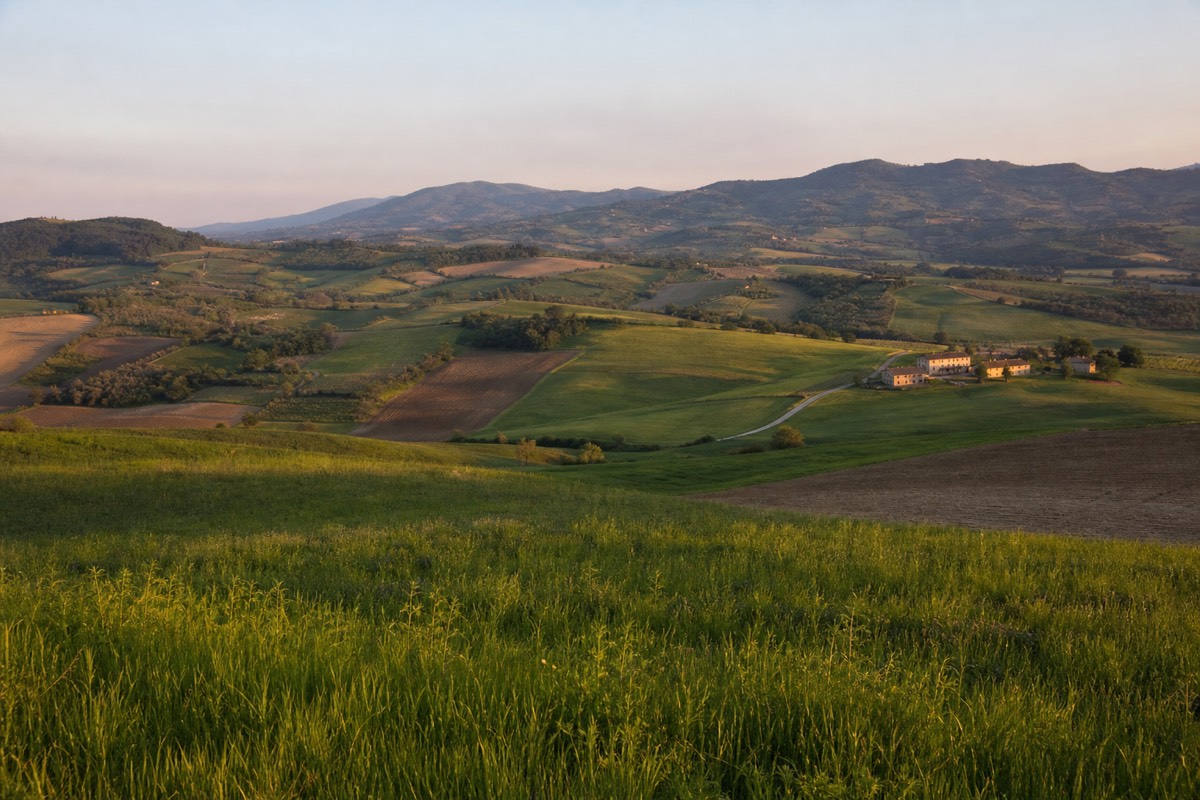
The wider landscape between Langhirano and Torrechiara is worth a slower look too, even from a bus or car window. This is genuine curing-country terrain: low hills, scattered farmhouses, and the specific combination of altitude and airflow off the Apennines that the Prosciutto di Parma DOP zone depends on. It's not dramatic scenery in the way the Dolomites or the Amalfi coast are, but it's the actual working landscape behind one of the products most visitors came to Parma to taste in the first place, which gives the drive or bus ride a bit more context than a stretch of unremarkable countryside usually gets.
How Does This Fit Into A Wider Parma Trip?
Torrechiara works best as a second-day addition for travelers who already have the historic center covered, or as an extension to a booked Prosciutto tour day for anyone renting a car rather than relying on tour transport alone.
If you're coming from Milan, Bologna, or Florence for a short Parma stay, our guide on how to get to Parma from Milan, Florence, or Bologna covers the train timings that determine how much extra time you realistically have for a countryside detour like this one. And if the wider Food Valley region interests you beyond Parma itself, our Bologna, Modena, Parma Food Valley guide maps out how a multi-day version of this trip can work, with Torrechiara as one of several countryside stops worth weighing against the time it costs.
For a starting point on planning the food side of a Langhirano day, the Parmigiano Reggiano factory tours guide and the Prosciutto di Parma ham tours guide both cover the booked-tour half of the same countryside these hills belong to. Between the two, most travelers planning a Parma food tour end up choosing a producer visit for the guided, hands-on half of the day and treating Torrechiara as the independent, self-paced half.
None of this needs to be complicated to plan. A realistic version of the day looks like an early booked visit to one of the Food Tours Parma listings in the morning, since most producer visits start before midday, followed by the bus or a rental car out to Torrechiara in the early afternoon while the castle is still on its weekday hours, then back into Parma by early evening with time left for dinner in the historic center. Travelers without a car can still make this work by leaning on TEP's line 12 rather than assuming a countryside day requires a rental, though it does mean building the return bus time into your plan rather than treating it as flexible. The castle rewards exactly the kind of traveler this site is generally written for: someone who wants a real, verifiable reason to leave the city center for an afternoon, not a generic "hidden gem" listicle entry repeated across a dozen blogs without anyone actually checking the current hours or ticket price.