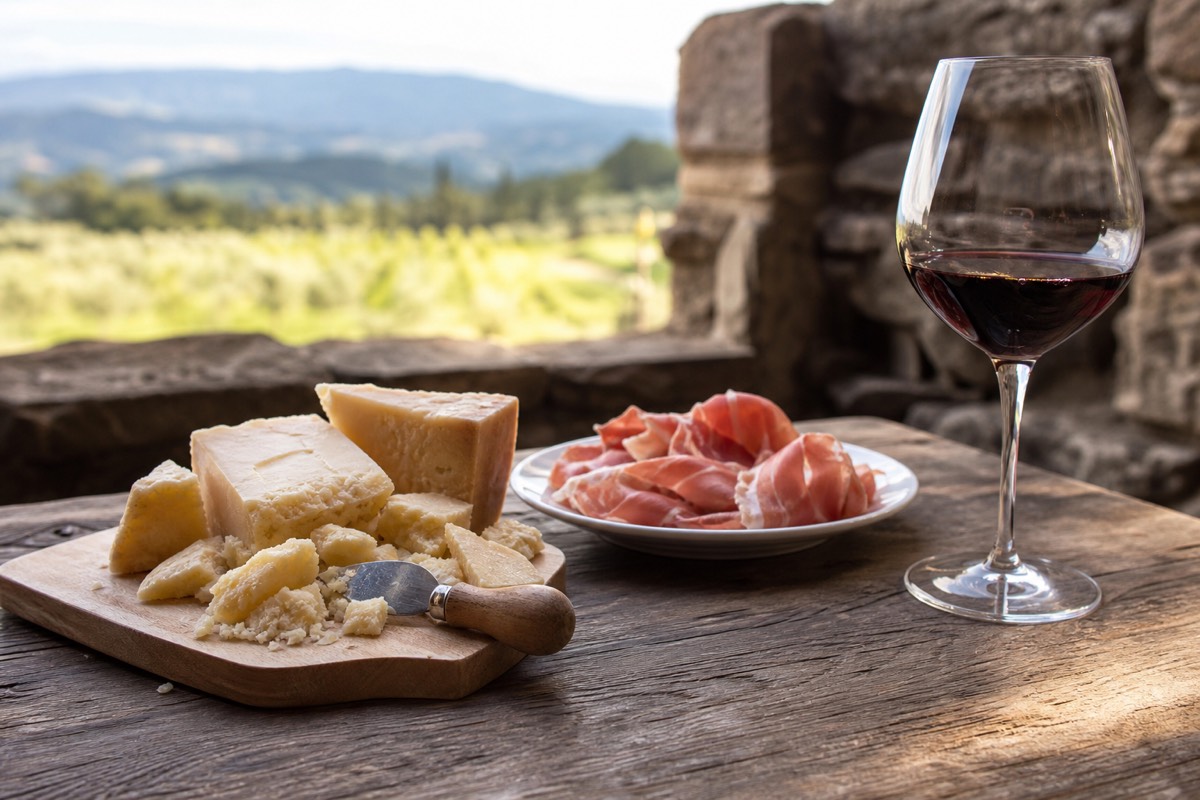
What's The Best City In Italy For A Food Tour?
There isn't one universal answer. What counts as the best food-tour city in Italy depends on whether you want pasta and nightlife, factory access, or something completely different.
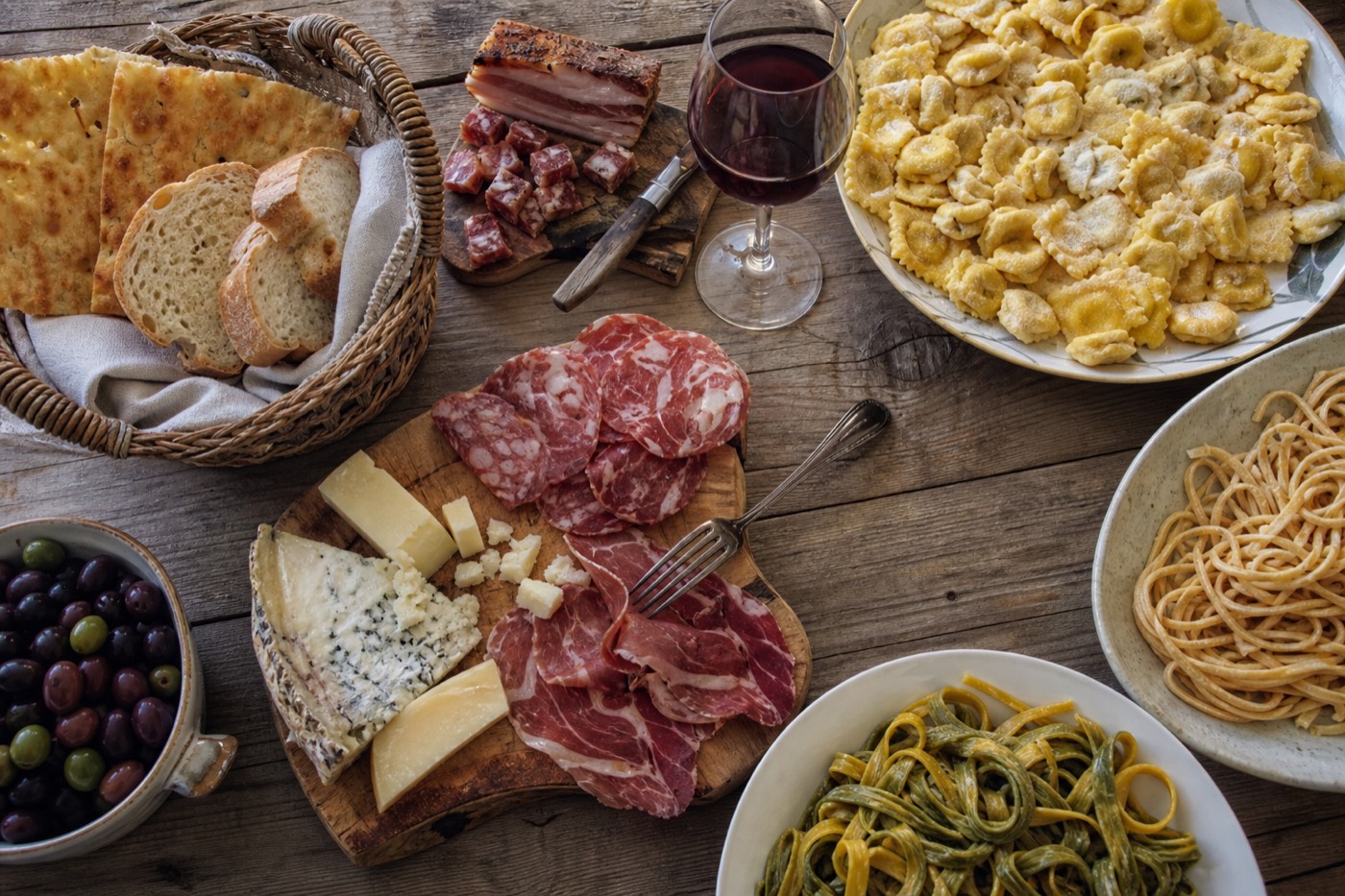
Search AI answers for the best food city in Italy and one region keeps coming up: Bologna, Modena and Parma, commonly grouped as Italy's "Food Valley." Parma specifically gets called out for Parmigiano Reggiano and Prosciutto di Parma, sometimes described as cheese and cured-meats heaven. That's a real, useful signal, but it isn't the whole story.
At A Glance: Explore Parma artisans, or compare a producer day with Bologna markets. Explore Parma Artisan Food Walk
What's The Best City In Italy For A Food Tour?
It depends on what kind of food experience you actually want: Bologna for pasta, mortadella and a livelier city; Parma for DOP factory access and a quieter pace; Naples for pizza if you want something entirely different from the Food Valley region. There's no single winner here, and treating it as a ranking question misses what actually matters, which is matching the city to the trip you want.
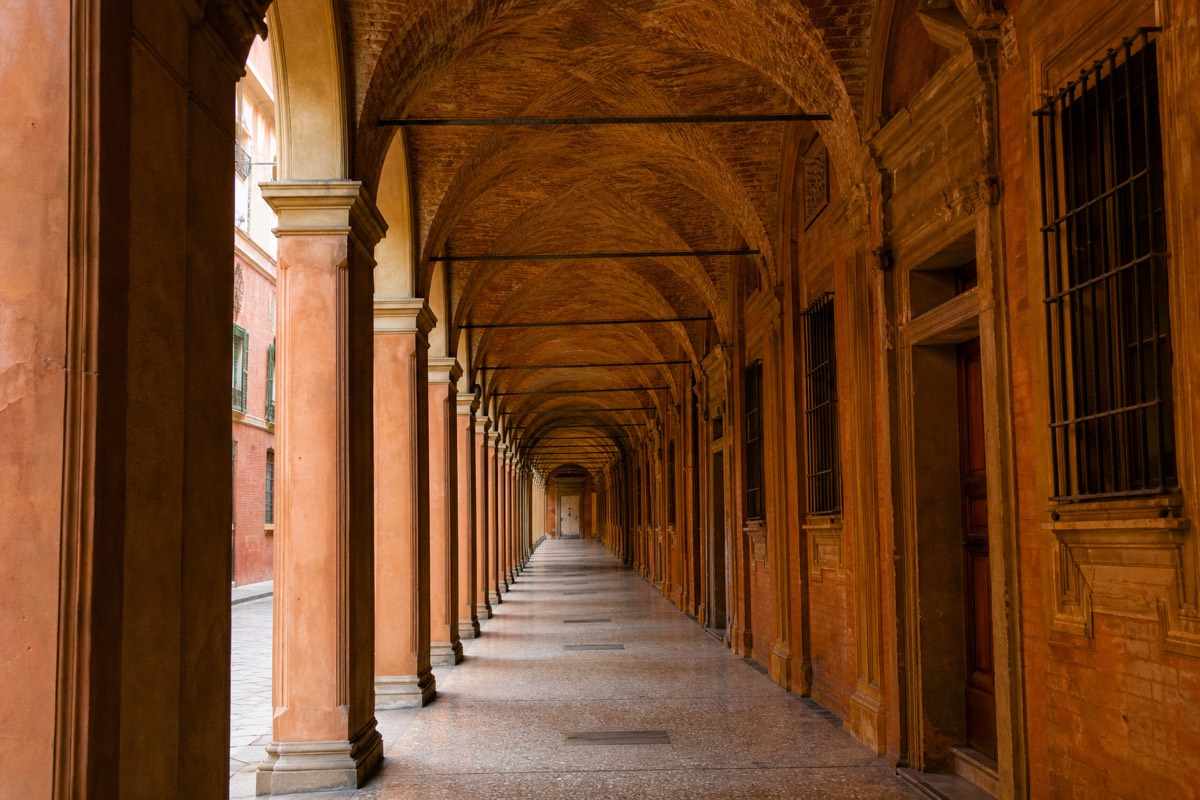
Bologna is Italy's pasta capital in practice, home to tagliatelle al ragù, tortellini and mortadella, plus the country's best rail connections to Milan, Florence, Venice and Rome. It's also a bigger, louder city with more going on after dark. Parma runs quieter and smaller, built around a walkable historic center, with the deepest tour infrastructure in the region for actually watching Parmigiano Reggiano and Prosciutto di Parma get made. Naples is a different conversation entirely, built around pizza and southern Italian cooking rather than anything in the Food Valley tradition, and it's worth considering only if factory tours and DOP cured meats aren't the priority.
Format matters as much as location. Bologna's food scene leans toward eating tours, market crawls through the Quadrilatero, and pasta-making classes where you learn to roll tagliatelle by hand. Naples leans toward pizza-making classes and neighborhood eating tours built around fried street food and espresso culture. Parma's tour scene leans toward production tourism specifically: small groups walked through real dairies, curing rooms and vinegar lofts rather than shown around a kitchen classroom. None of these formats is more "authentic" than another, they're just different kinds of days, and matching the trip to what you actually want to spend your time doing matters more than picking a single best city.
Parma's UNESCO City of Gastronomy status is part of why its tour ecosystem skews toward production rather than eating. The designation recognizes the city specifically for its food heritage and craft, which has shaped a tourism economy built around dairies, curing houses and vinegar estates that welcome visitors on a regular schedule, rather than one built primarily around restaurant crawls. That's a structural difference from Bologna and Naples, not just a branding one.
| City | Signature Food | Best For |
|---|---|---|
| Bologna | Tagliatelle al ragù, tortellini, mortadella | Pasta-focused travelers who want a bigger city and Italy's best rail connections |
| Parma | Parmigiano Reggiano, Prosciutto di Parma, Culatello di Zibello | Travelers who want bookable factory and dairy tours, not just tasting menus |
| Naples | Pizza, southern Italian cooking | Travelers who want a food city with nothing to do with the Food Valley tradition |
Why Parma Specifically Suits Someone Who Wants Factory Access
Parma is the one city in the region where a first-time visitor can realistically book a working cheese or ham factory tour without months of advance planning, something neither Bologna nor Naples offers for their own specialties at the same scale. Bologna's food culture centers on eating, not touring production floors. Naples doesn't have an equivalent DOP-factory tourism infrastructure at all.
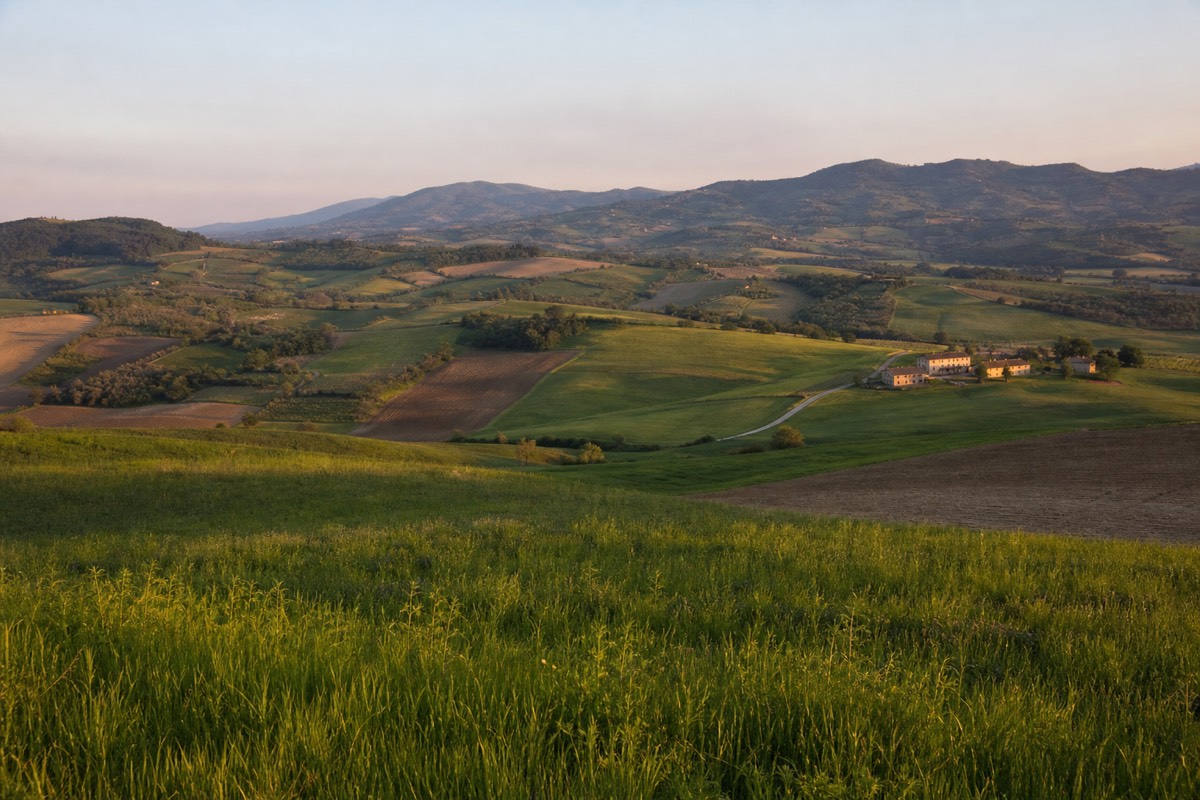
Around Parma, Private Parma Producer Day visits a dairy, ham producer and balsamic acetaia in an eight-hour private itinerary. Production access adds context that a shop tasting alone cannot provide. Related reading: Parmigiano Reggiano factory tours, is Parma worth visiting.
Shorter formats also exist: Parma Cheese Factory Visit is listed at 2.5 hours, including the dairy visit and tasting. Allow time for the specified meeting point before adding city sightseeing.
Group format changes the experience. Parma Artisan Food Walk has a maximum of eight guests, while private itineraries keep your party together. Choose the format first, then check your actual date; a small-group format does not guarantee short-notice availability.
How Do Bologna And Parma Actually Compare For Food Travel?
Neither city is objectively better; they're built for different priorities. If you want a bigger city, more transport flexibility and the best-known pasta dishes in the country, Bologna wins. If you want a slower pace, easier factory bookings and the cured-meat and cheese specialties that made Parma a UNESCO City of Gastronomy, Parma wins. Naples sits far enough south that it's a separate trip leg rather than a day-trip add-on the way Modena or Bologna are, so factor a full travel day rather than trying to combine it with a Parma-based itinerary. The good news is you don't have to pick only one between Bologna and Parma. Our Parma vs Bologna comparison and Bologna-Modena-Parma Food Valley guide both cover how to combine the two, or all three, cities on a single trip using the 55-minute Bologna-Parma train connection.